DinoSpeak.com
Dinosaur Names with Pictures
381 photorealistic dinosaur and prehistoric creature pictures each with the name, phonetic pronunciation, and a full fact guide. Click any picture to hear the name out loud.
All 381+ dinosaurs and prehistoric creatures
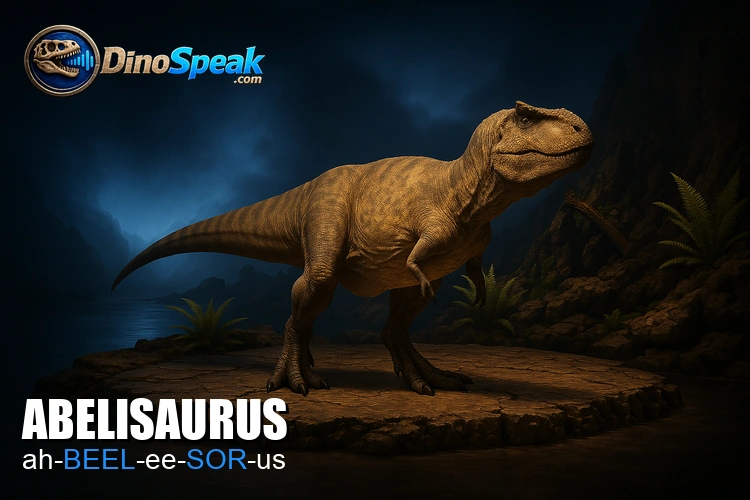
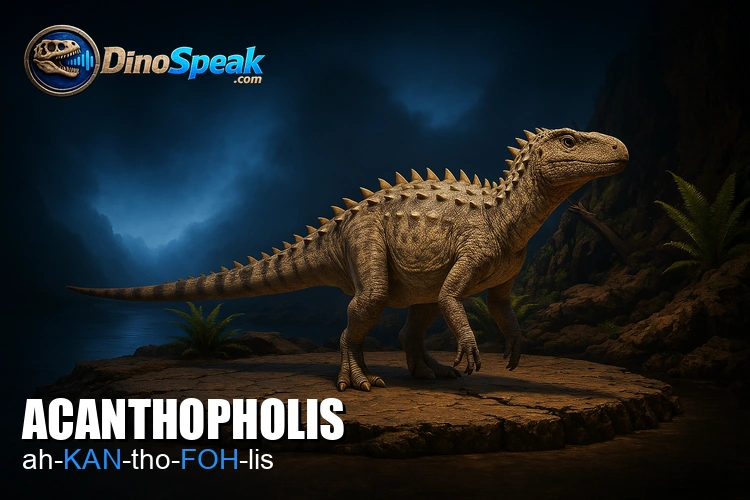
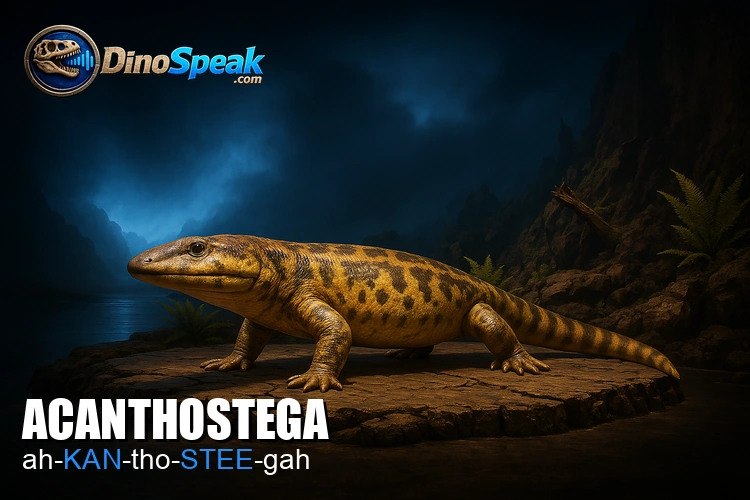
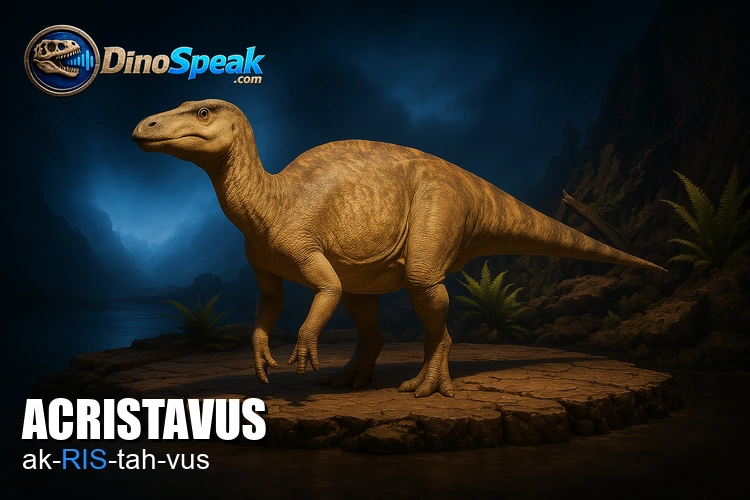
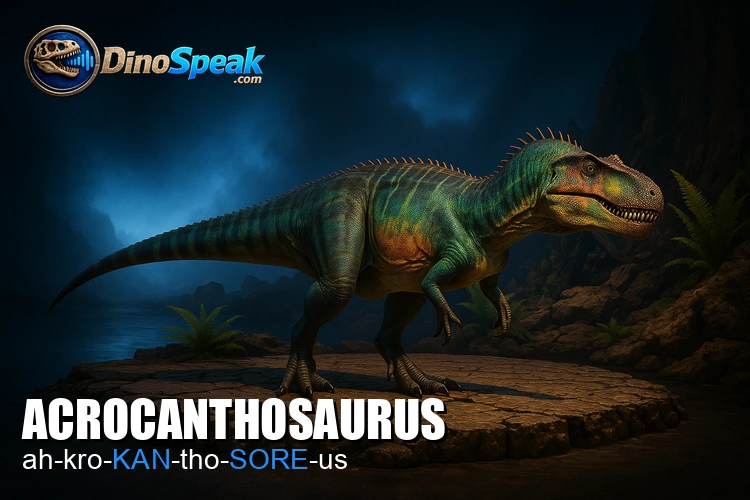
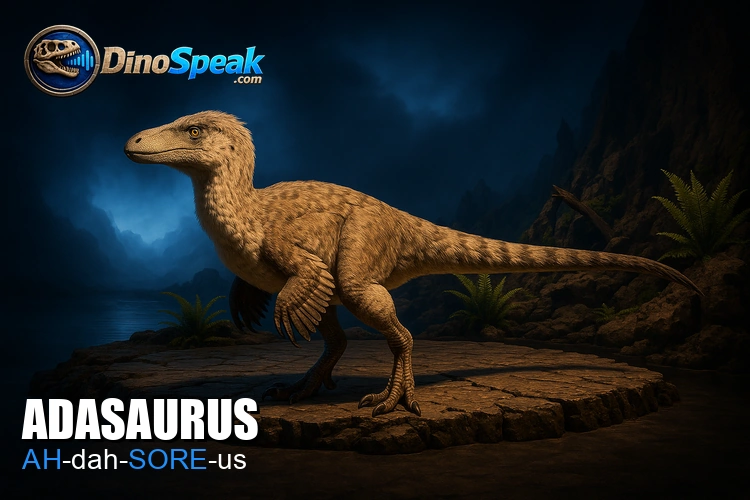
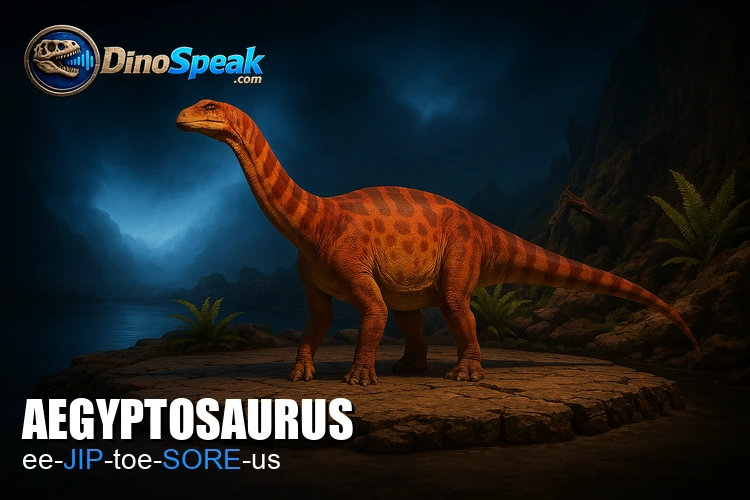
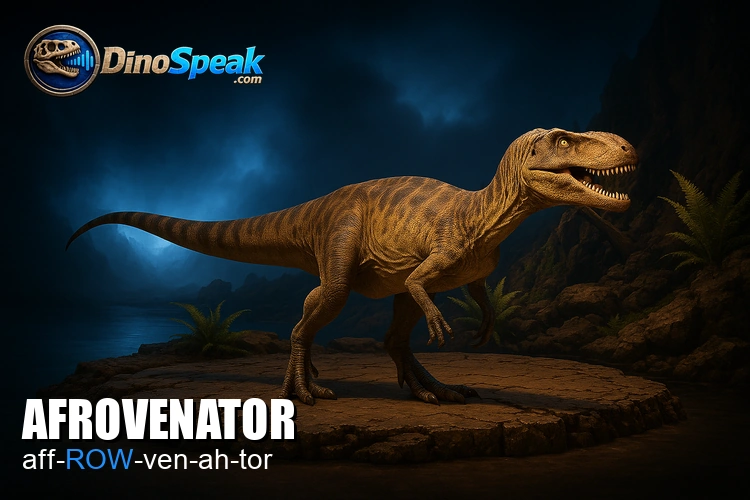
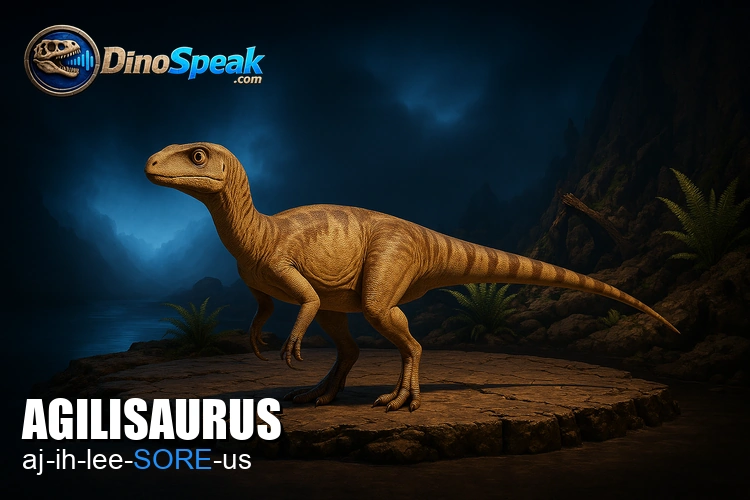
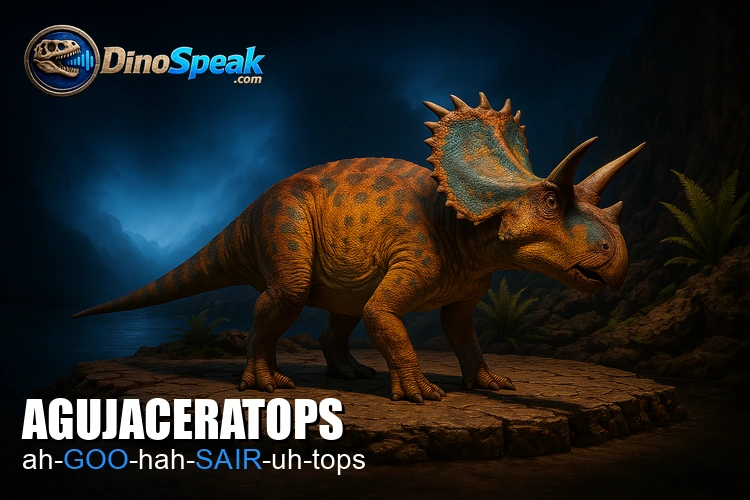
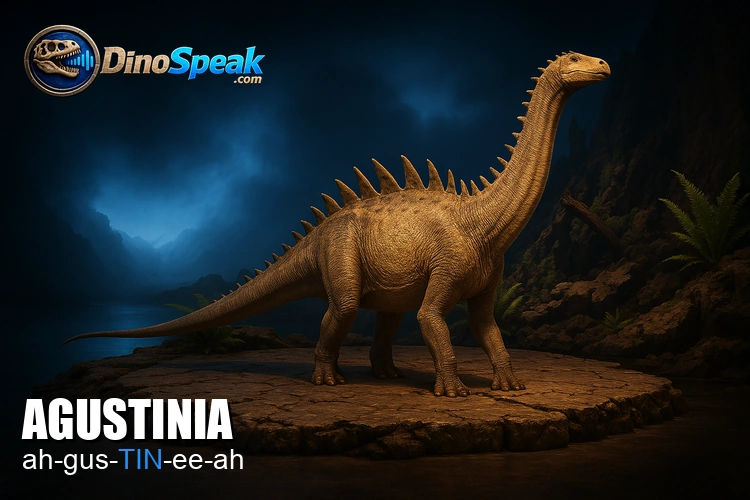
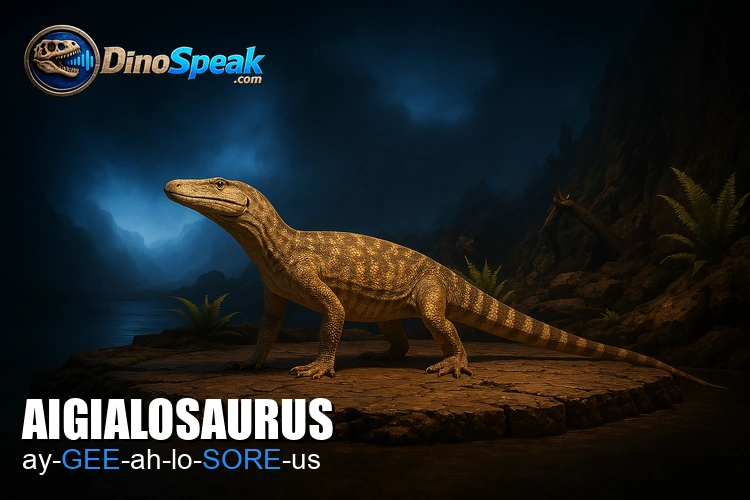
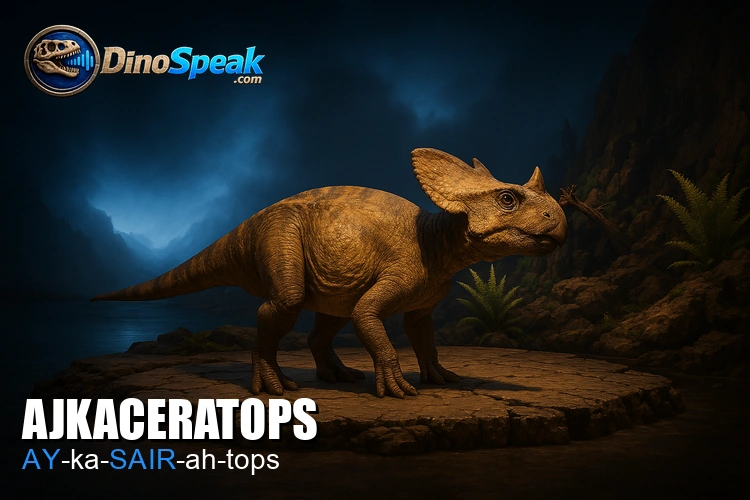
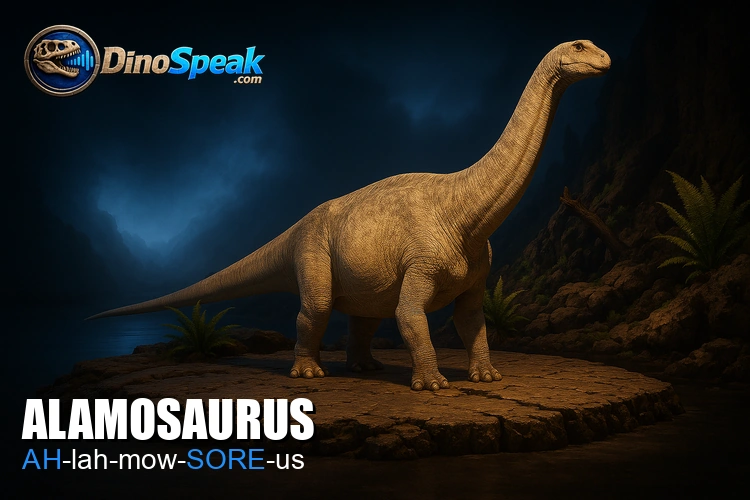
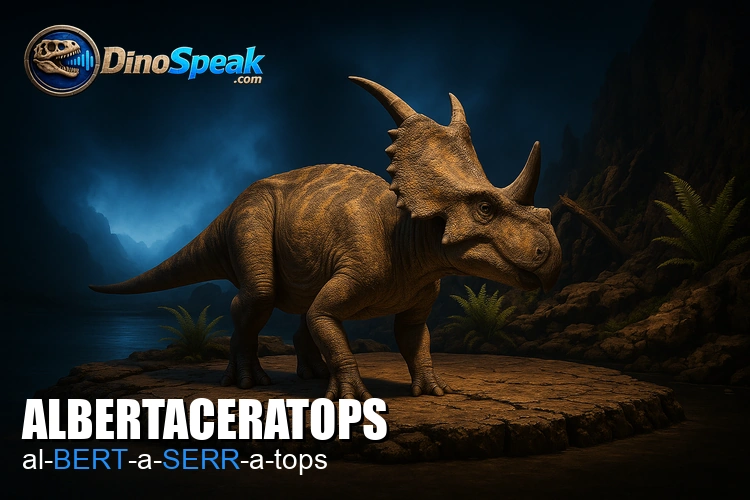
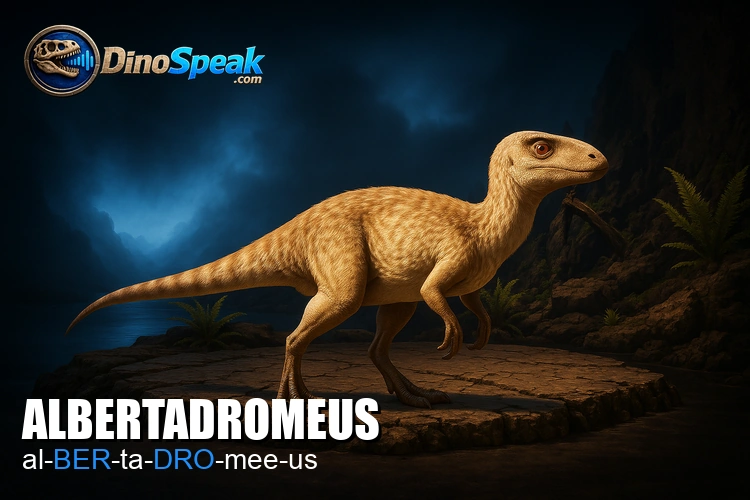
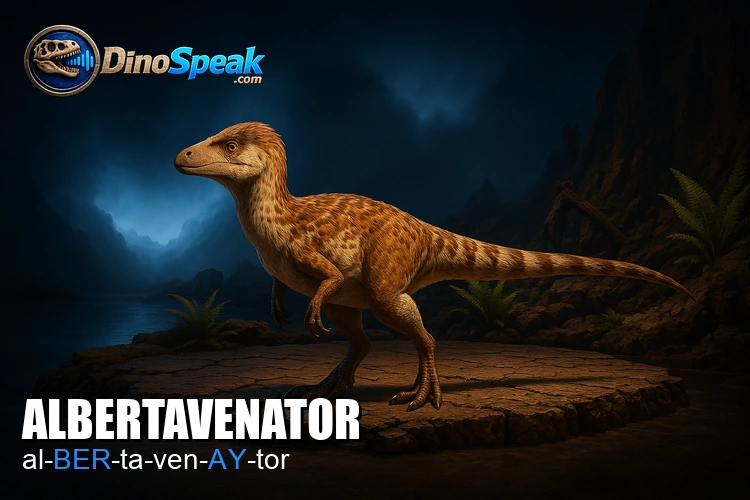
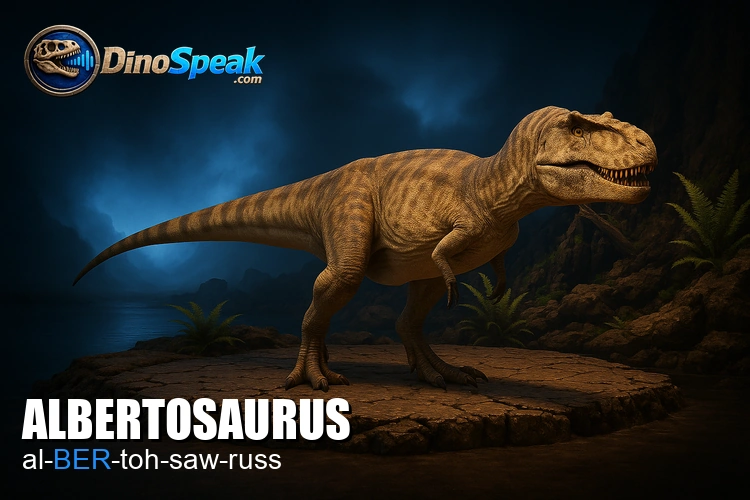
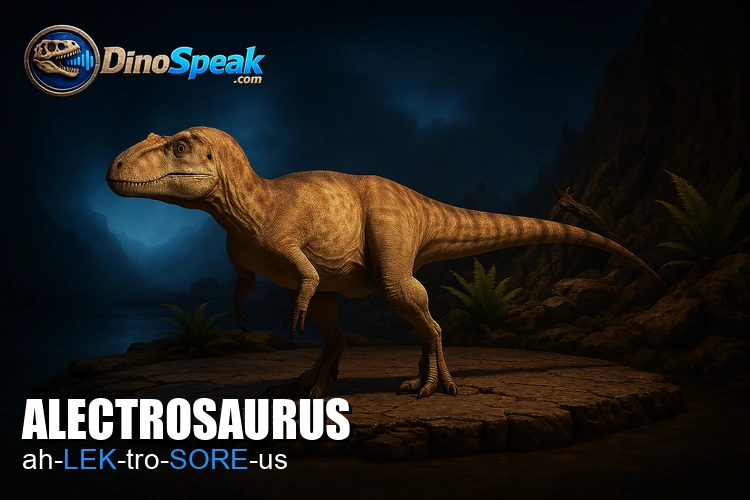
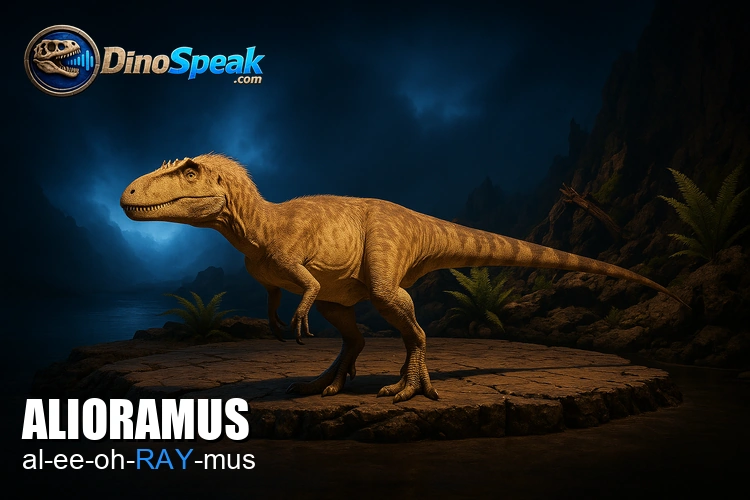
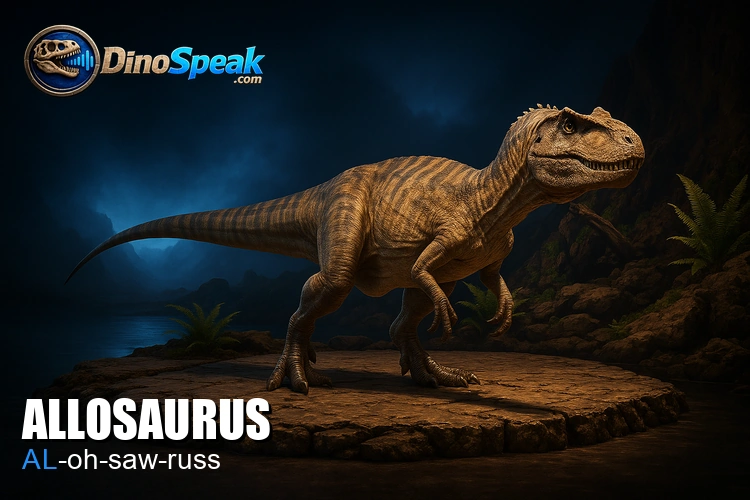
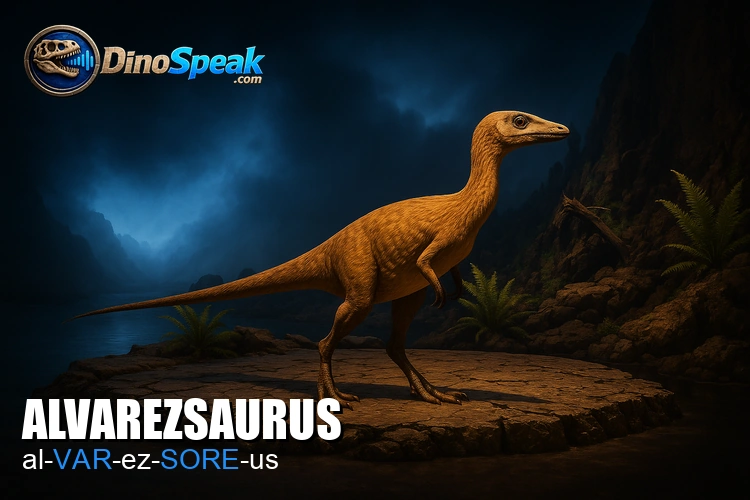
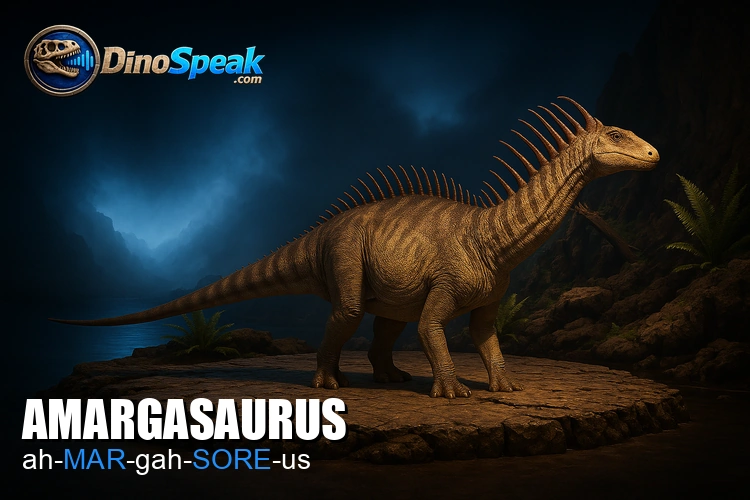
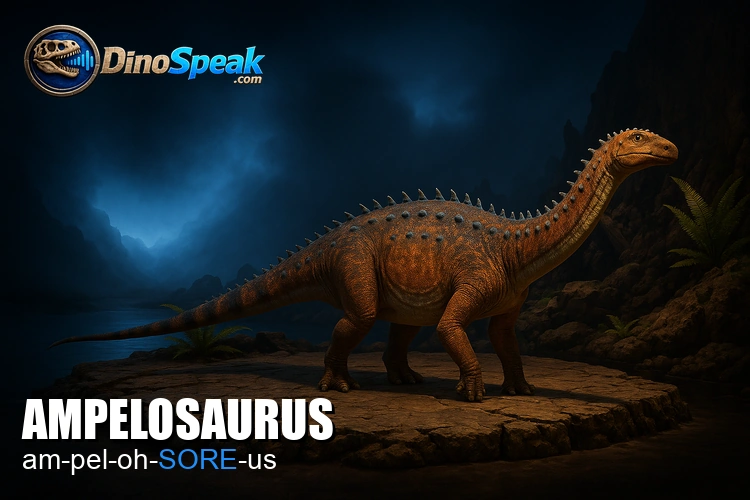
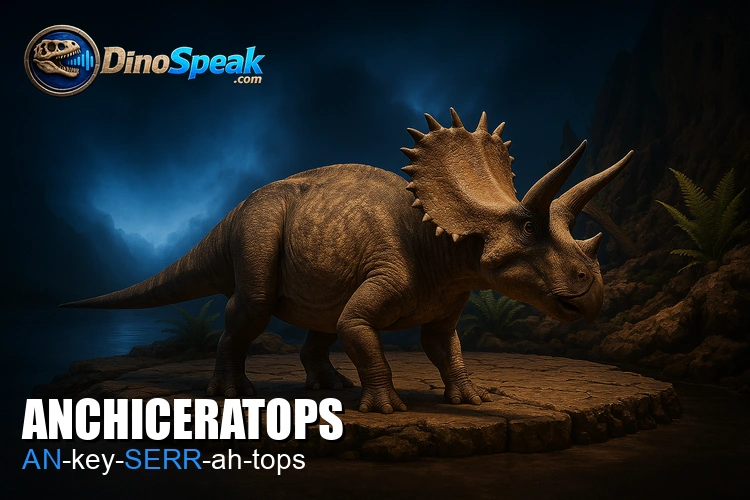
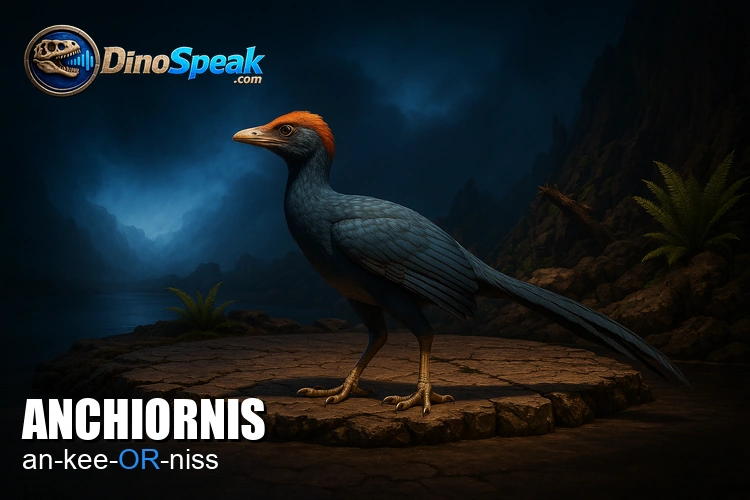
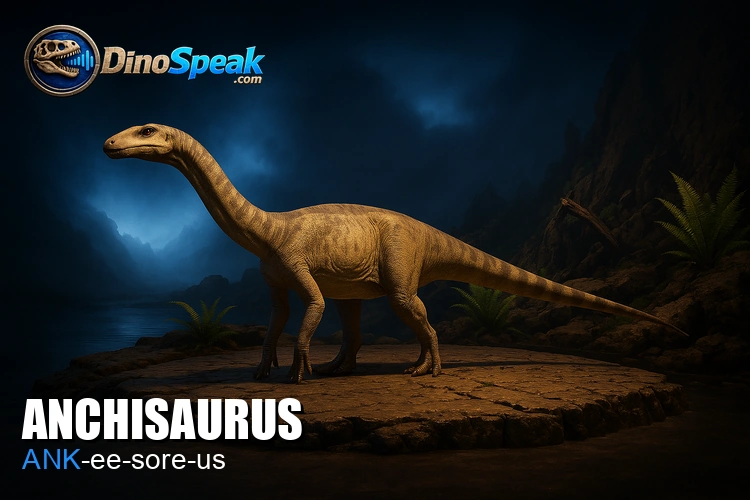
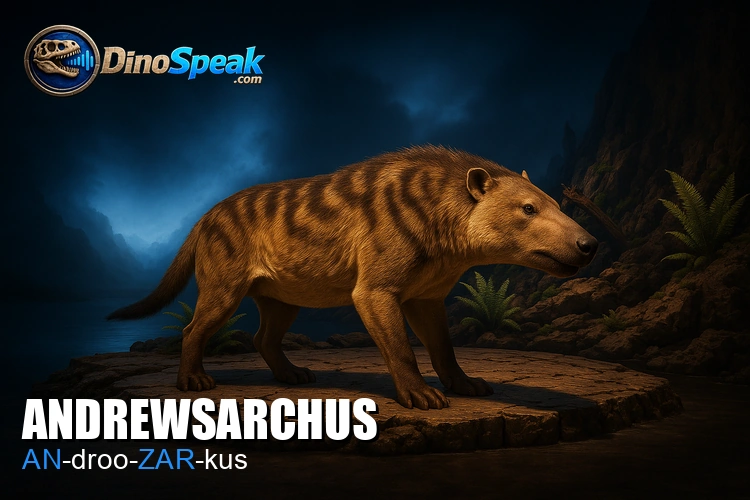
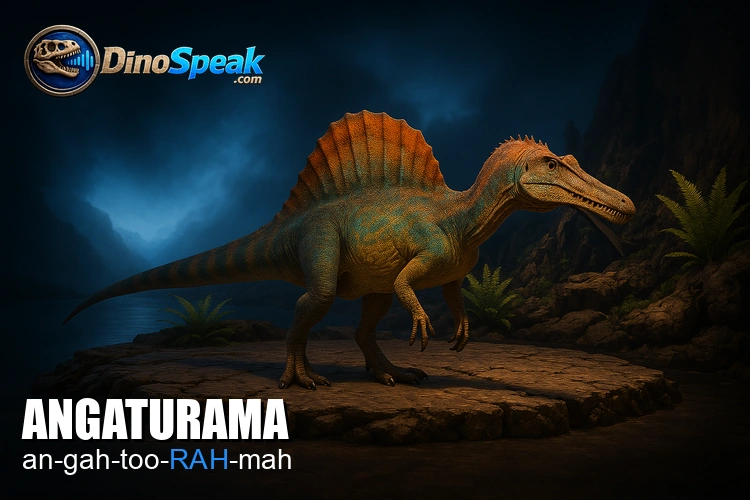
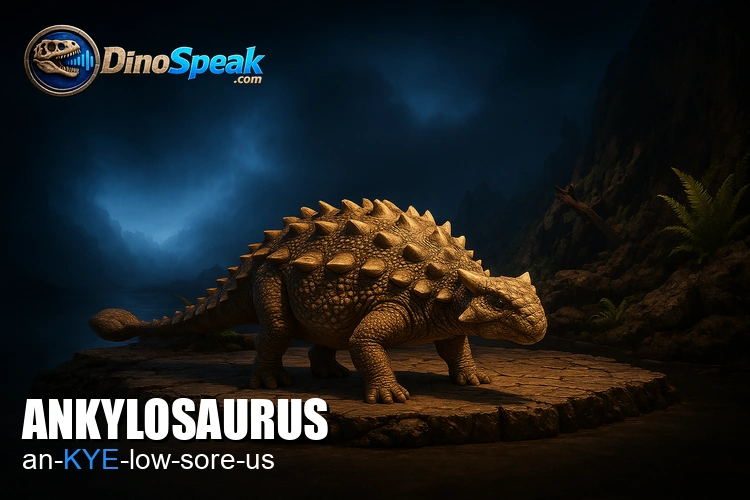
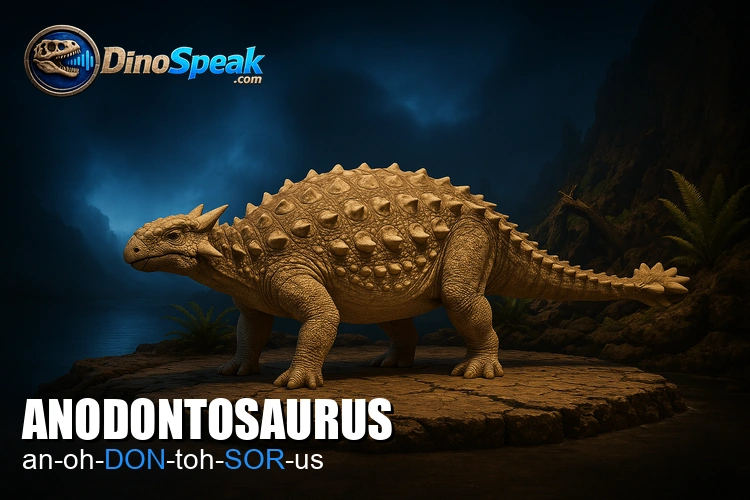
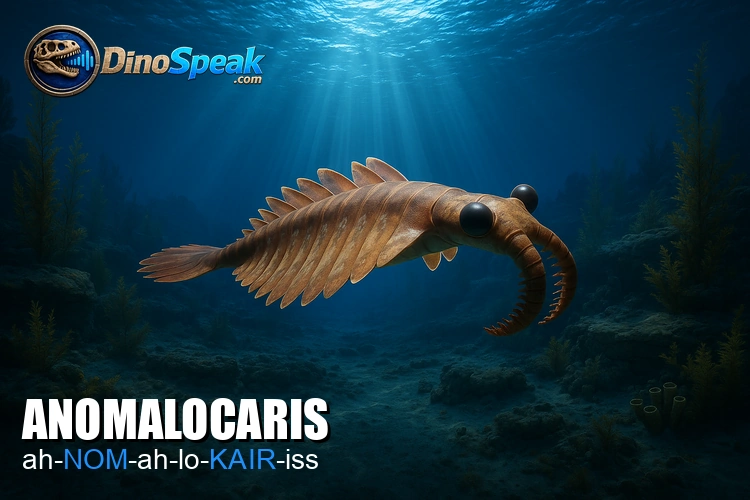
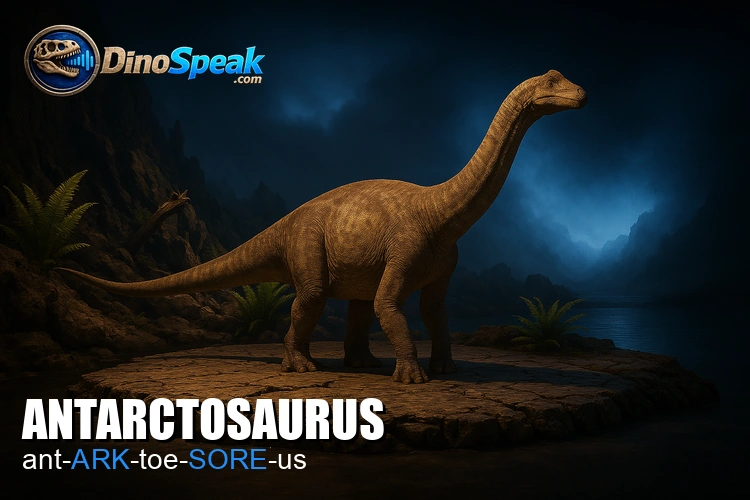
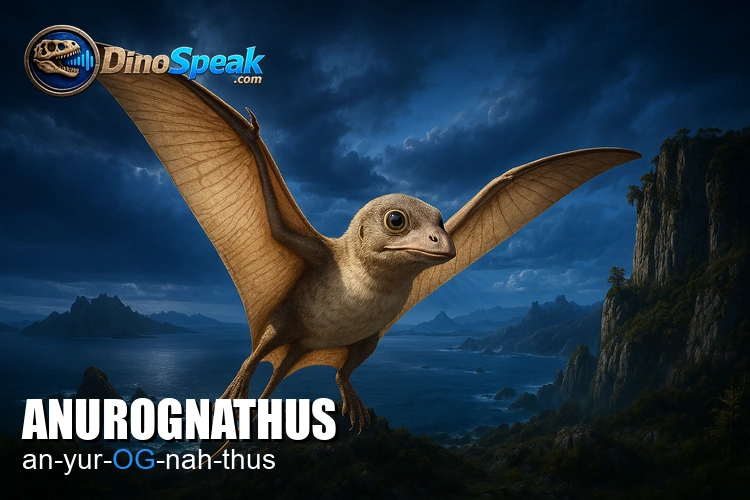
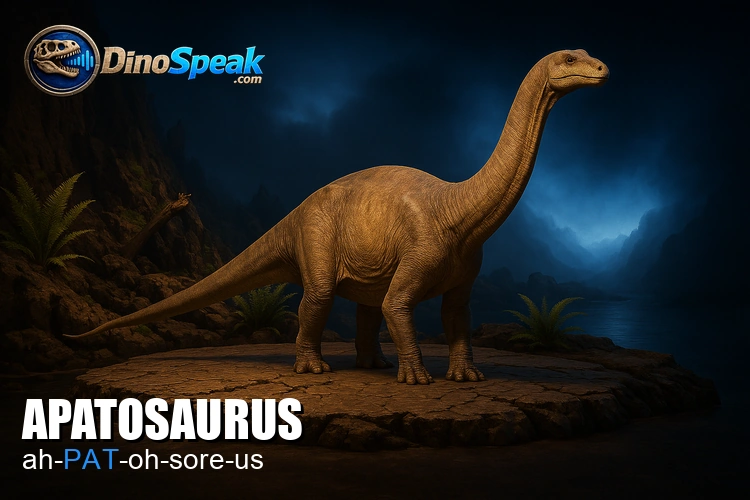
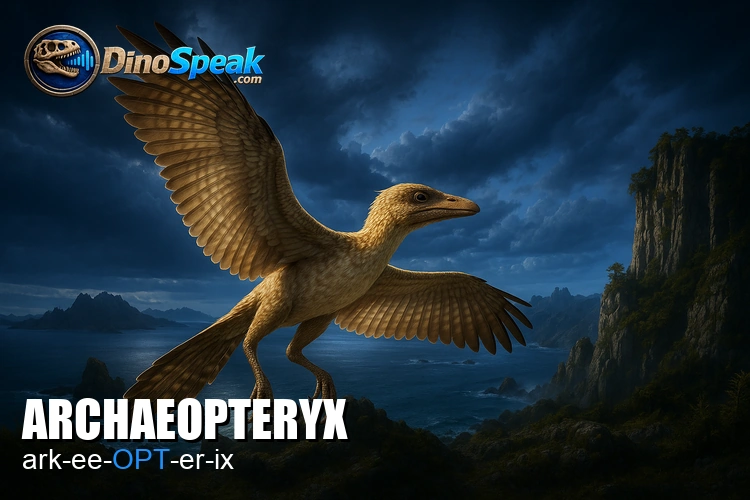
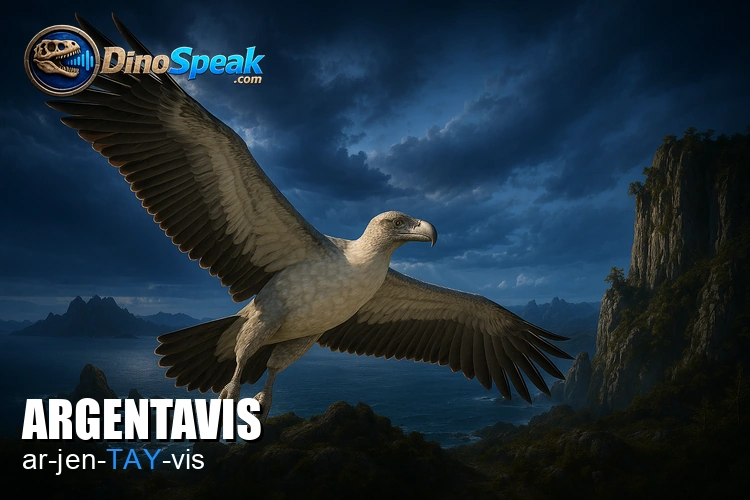
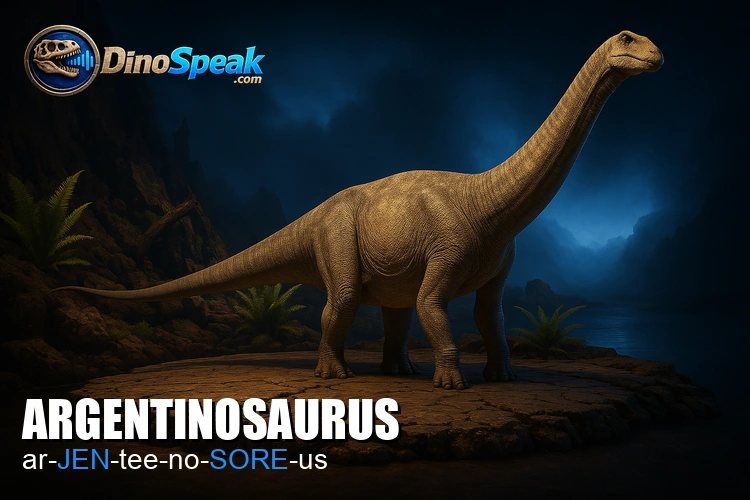
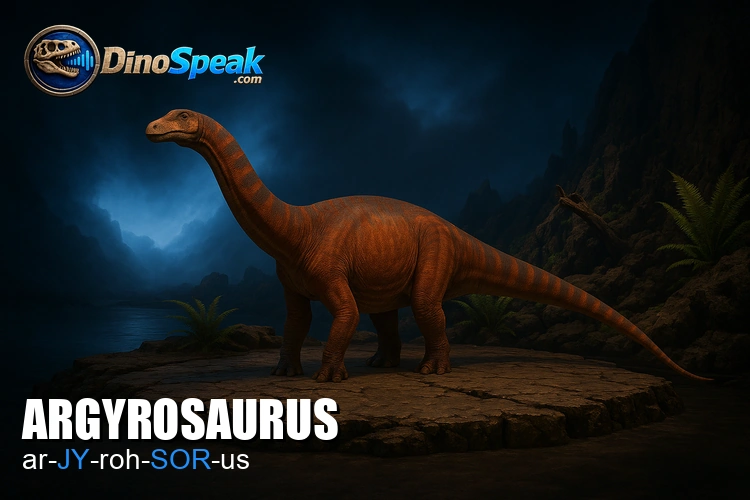
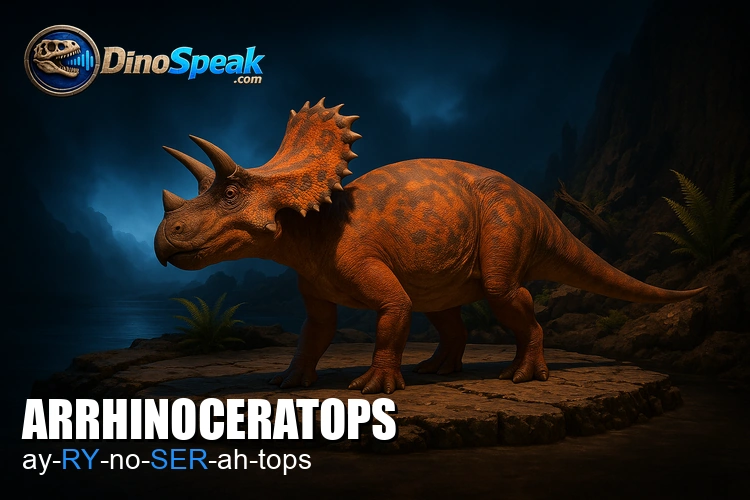
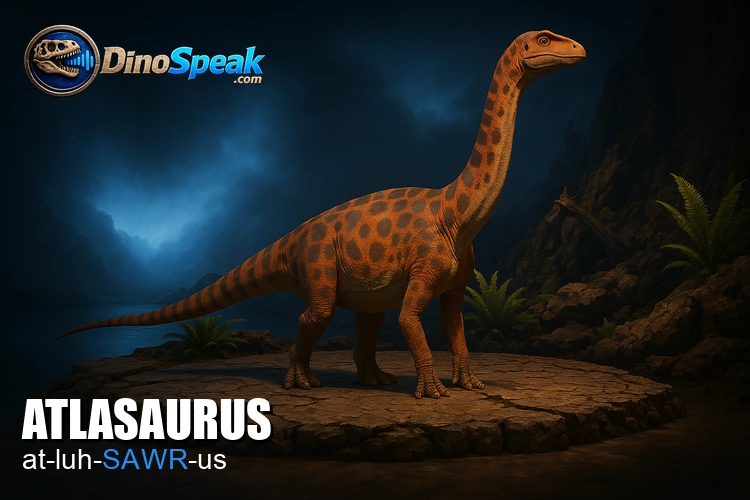
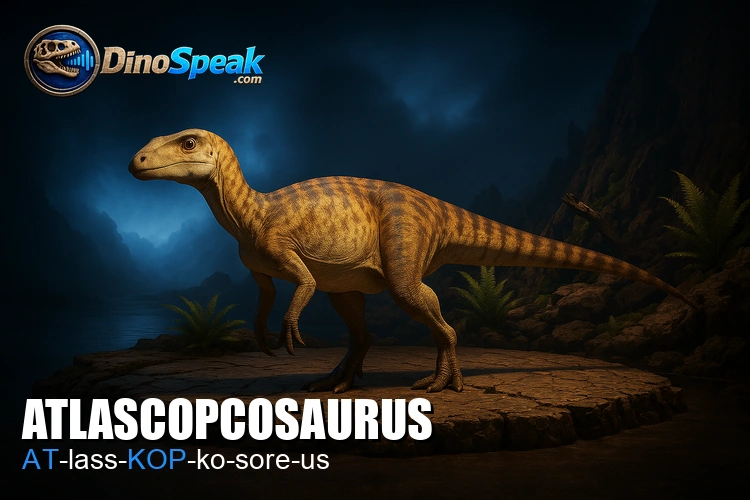
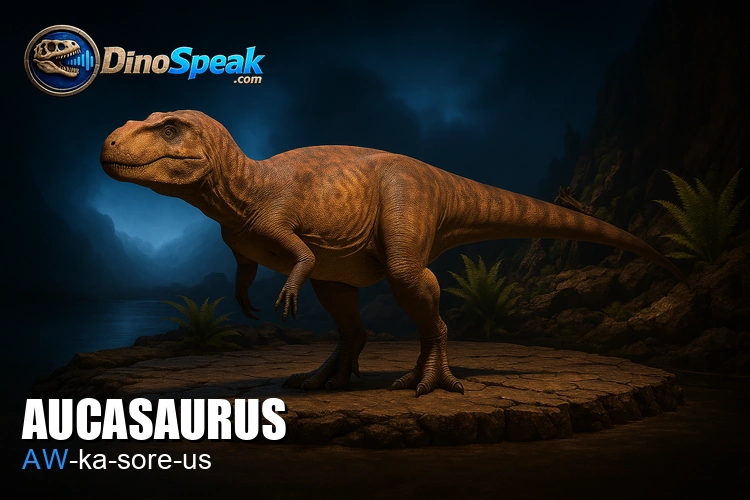
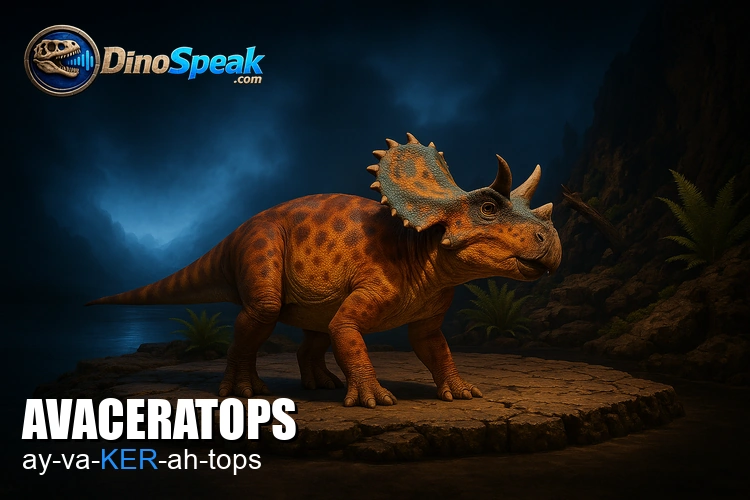
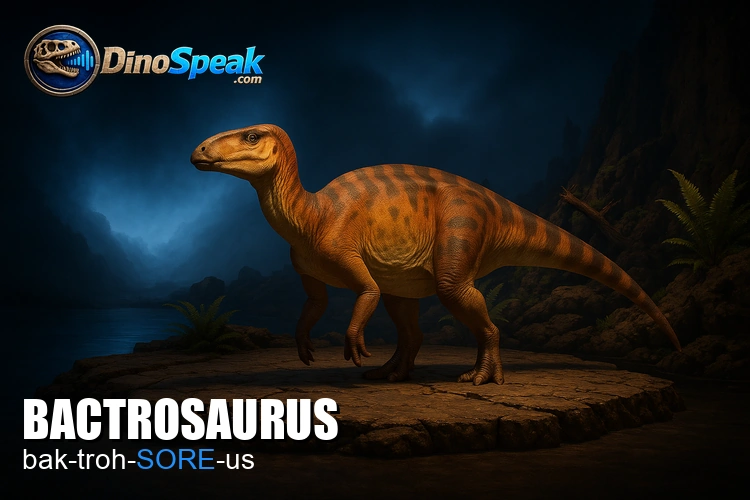
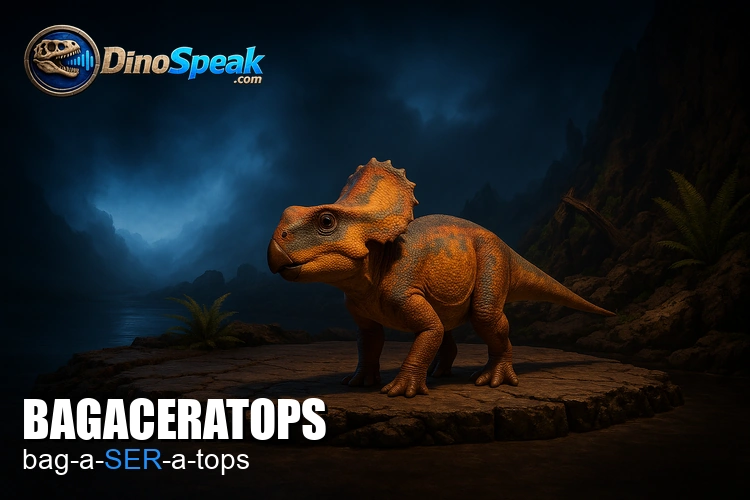
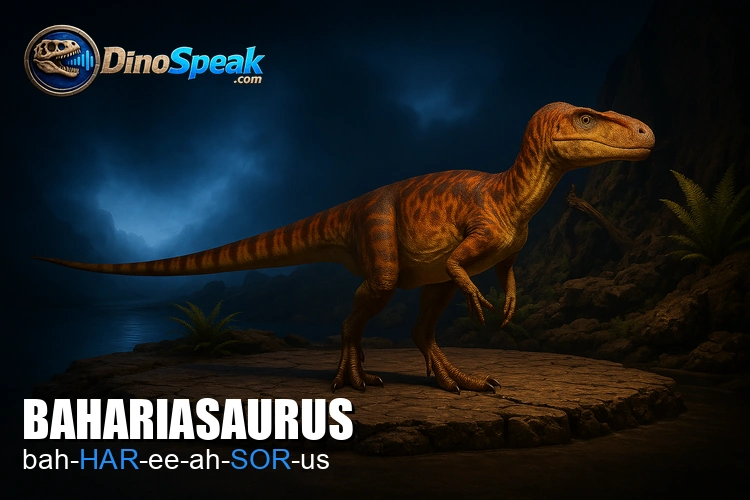
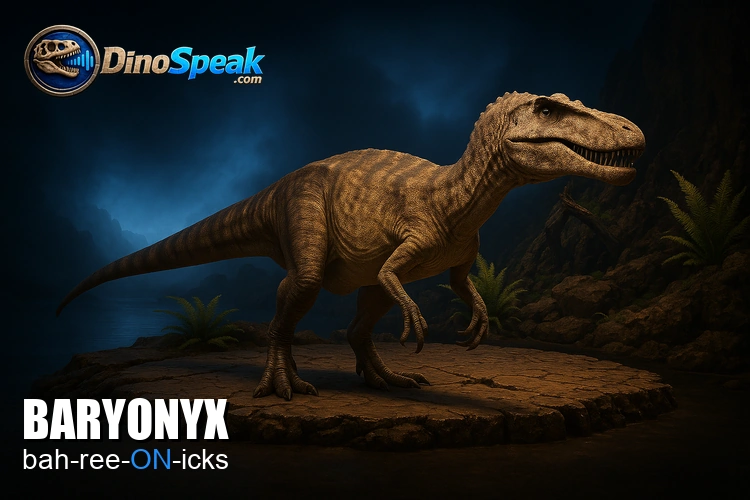
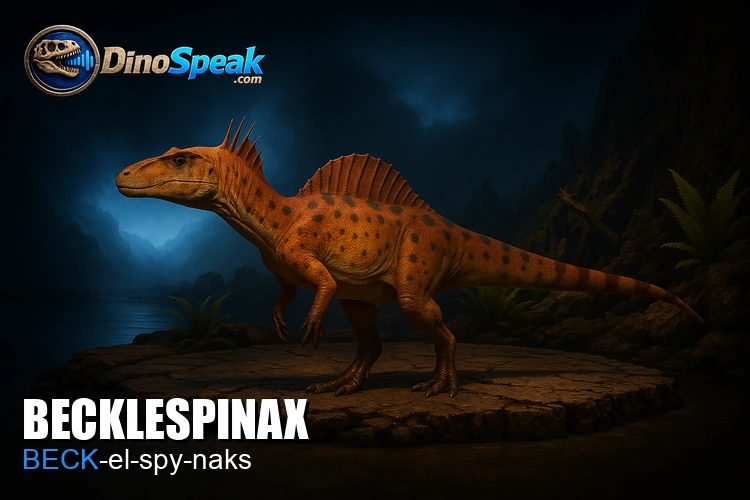
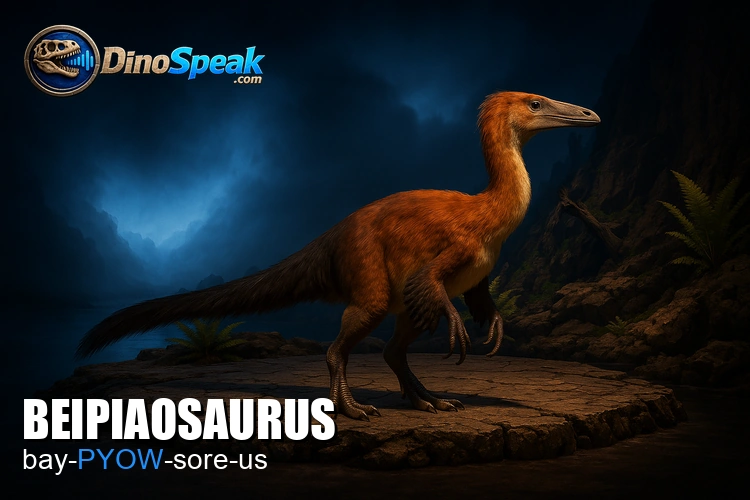
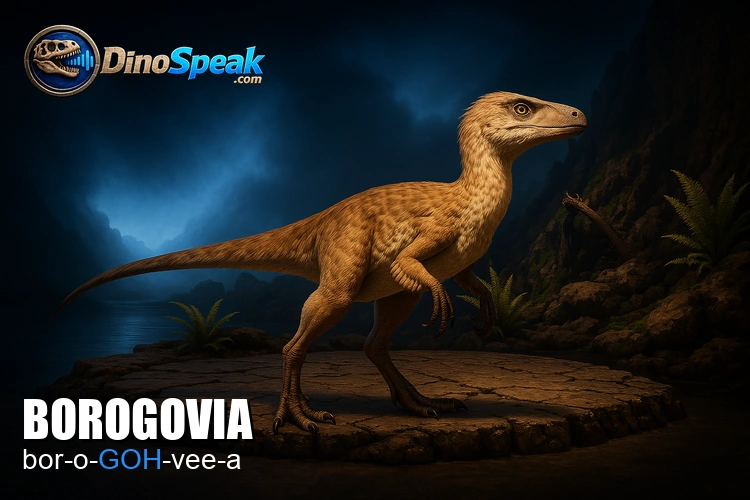
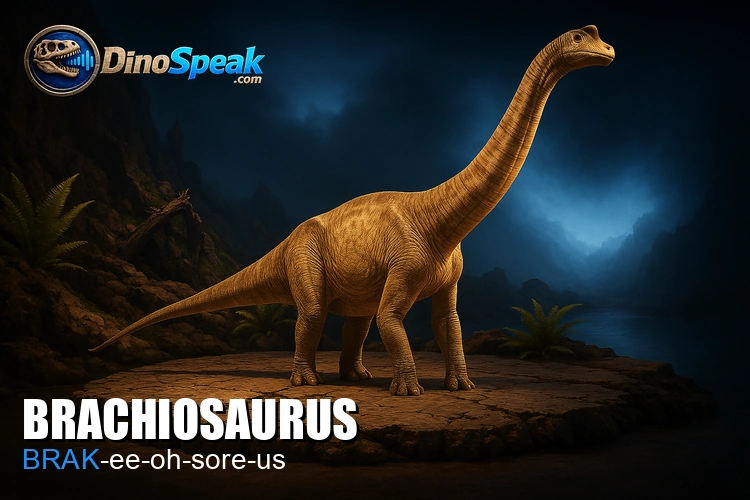
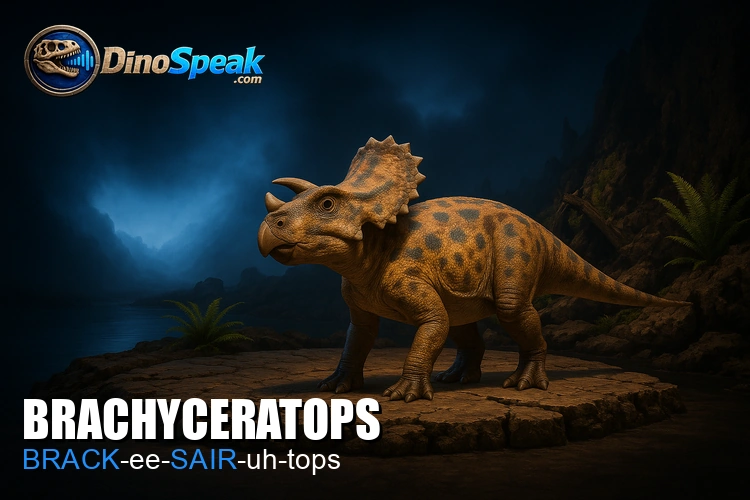
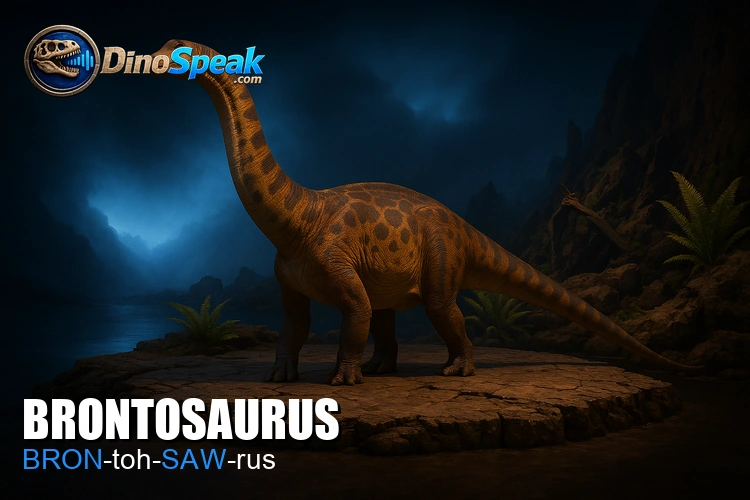
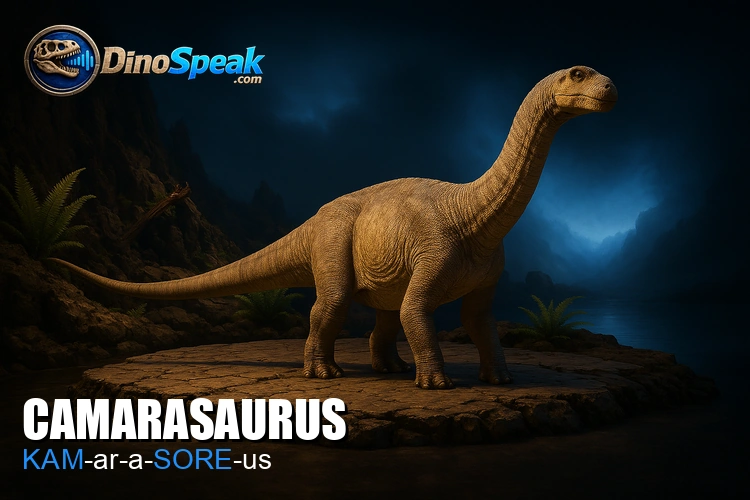
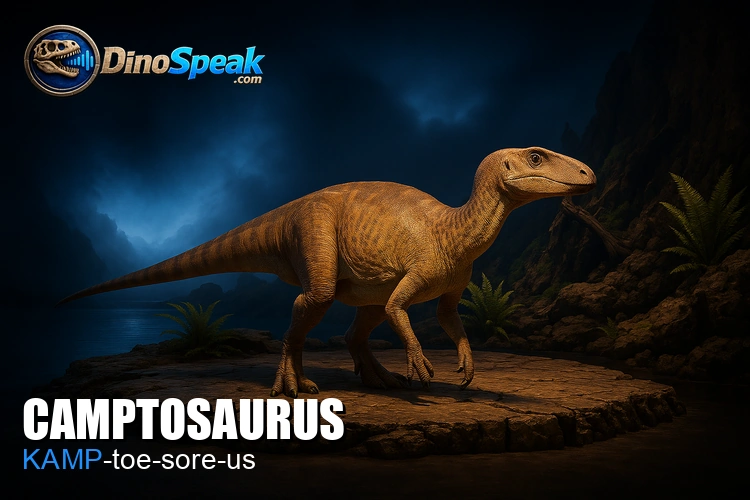
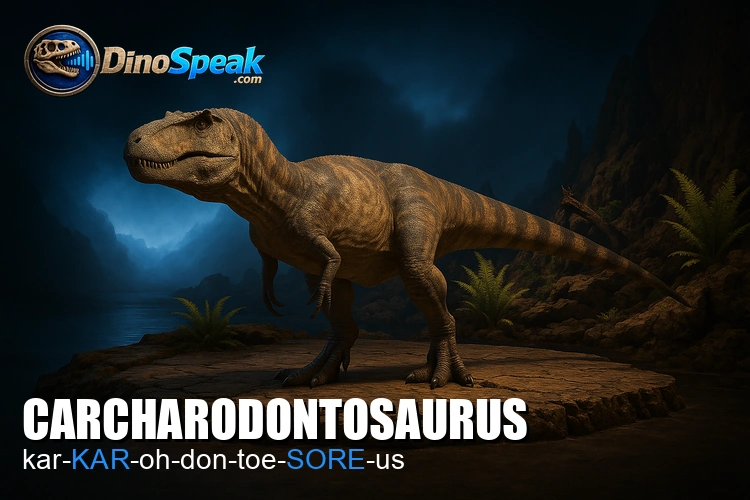
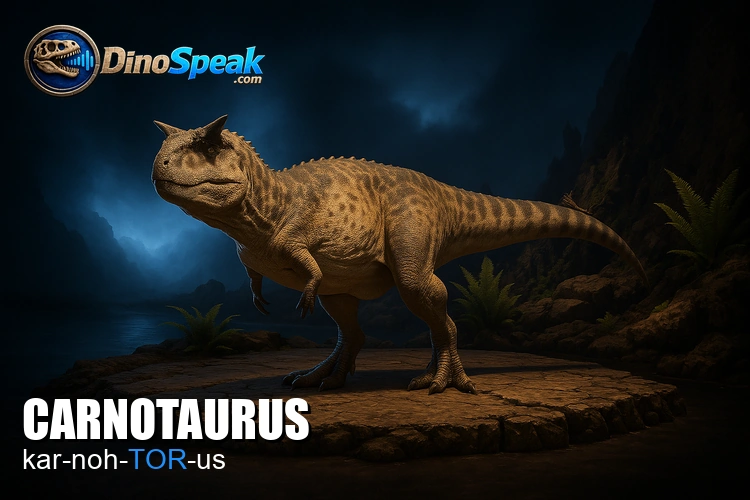
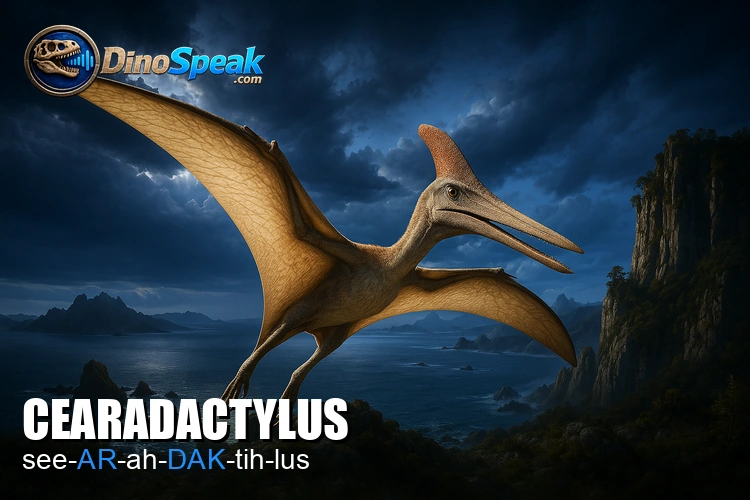
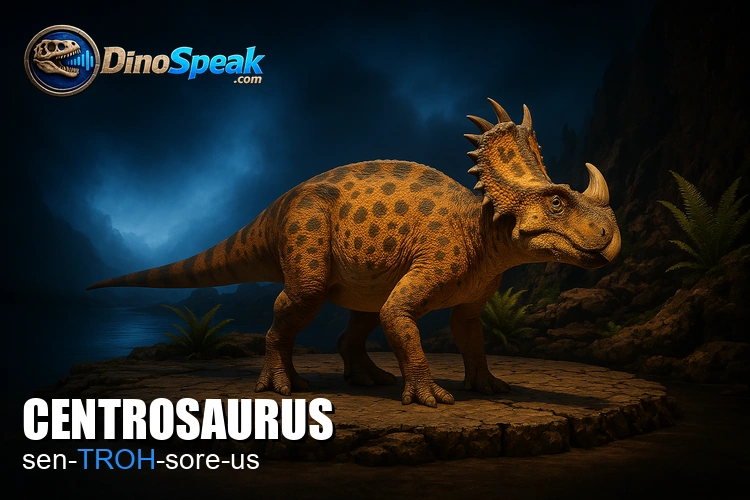
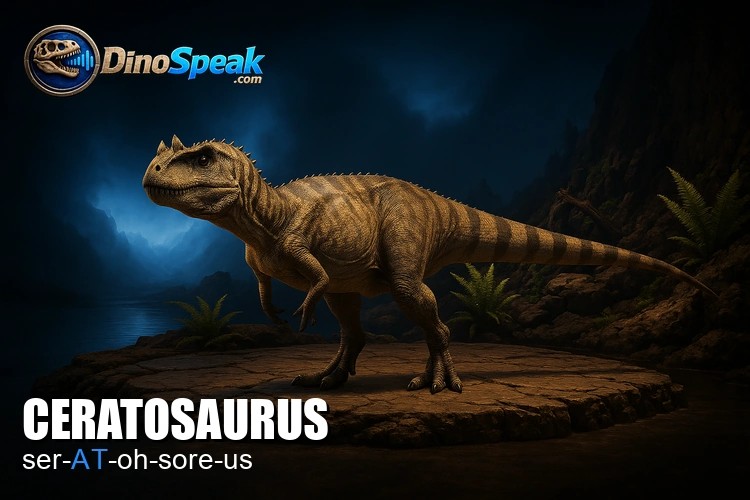
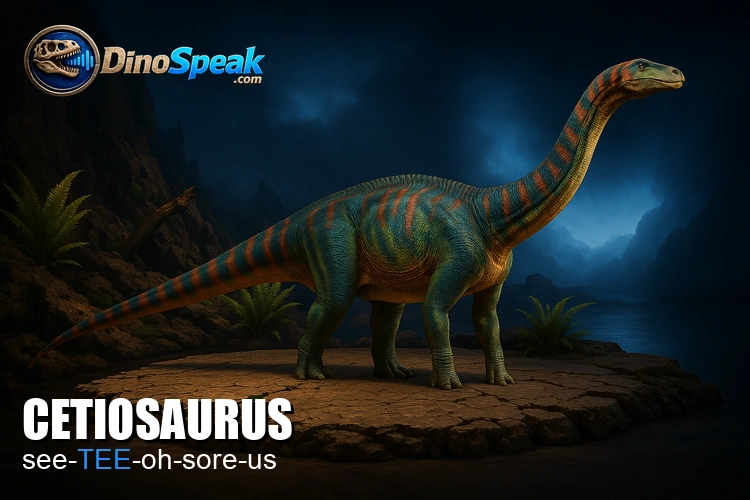
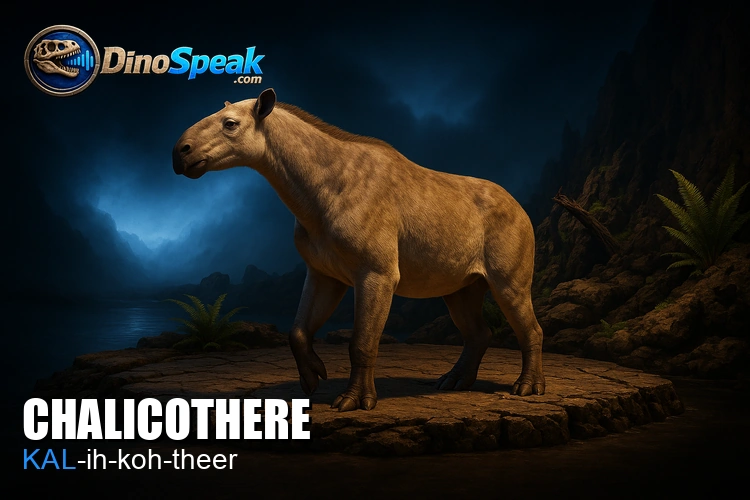
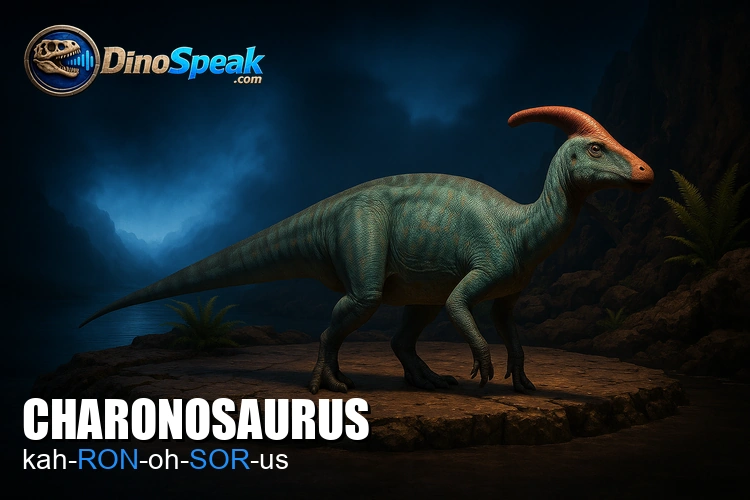
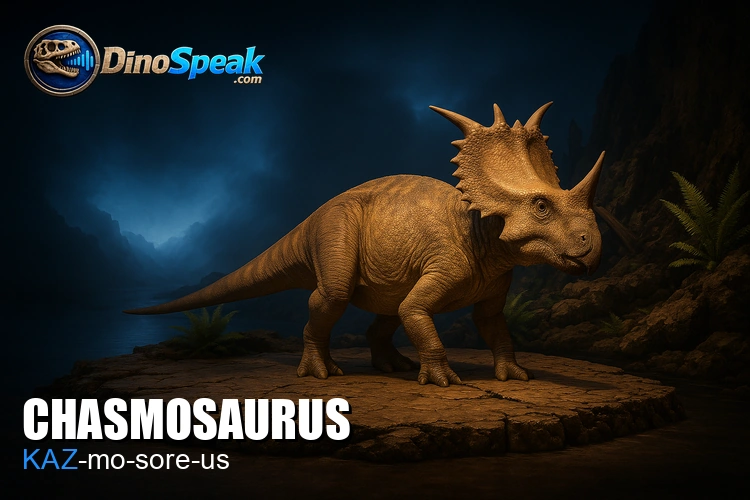
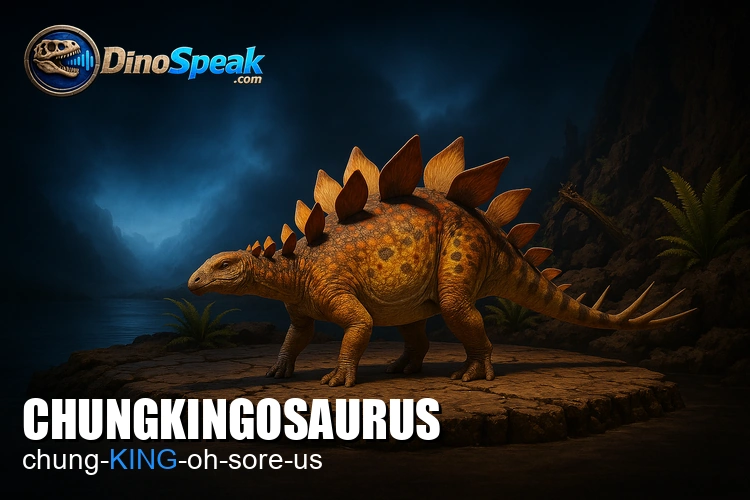
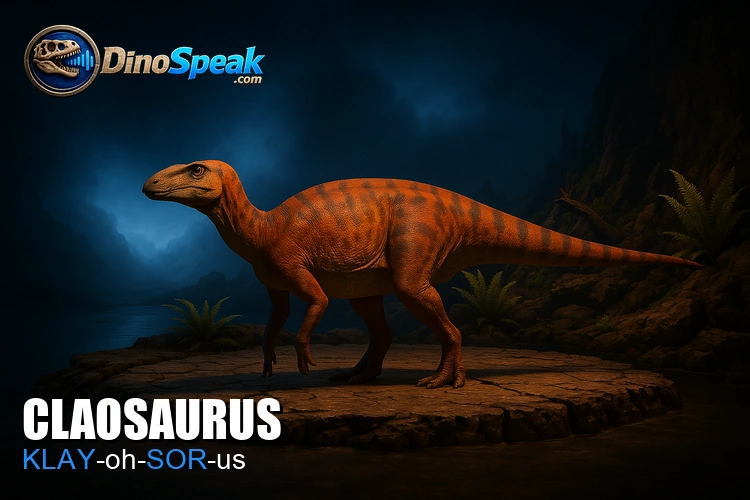
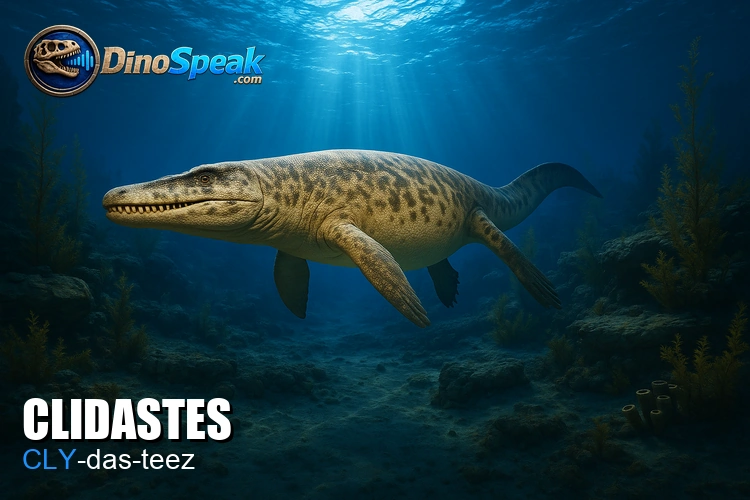
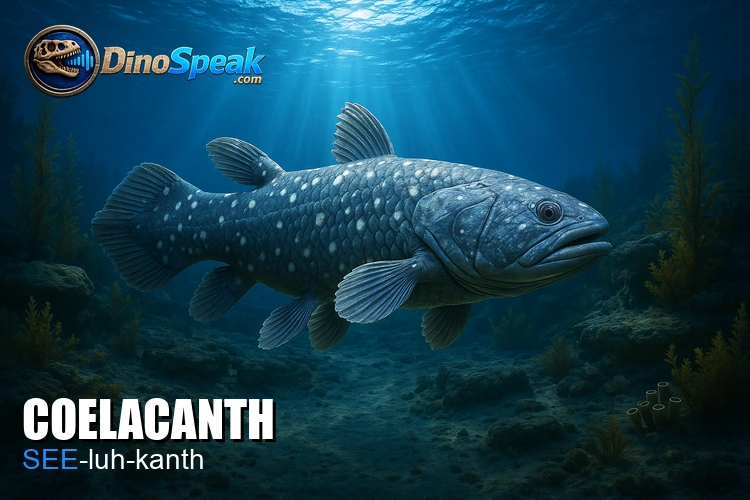
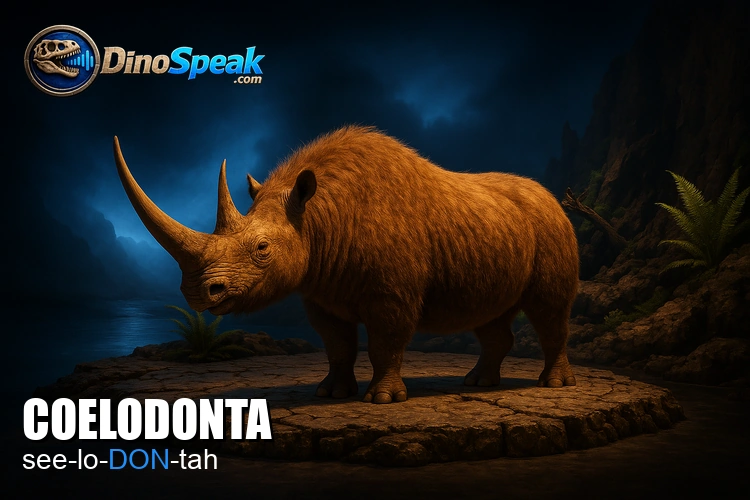
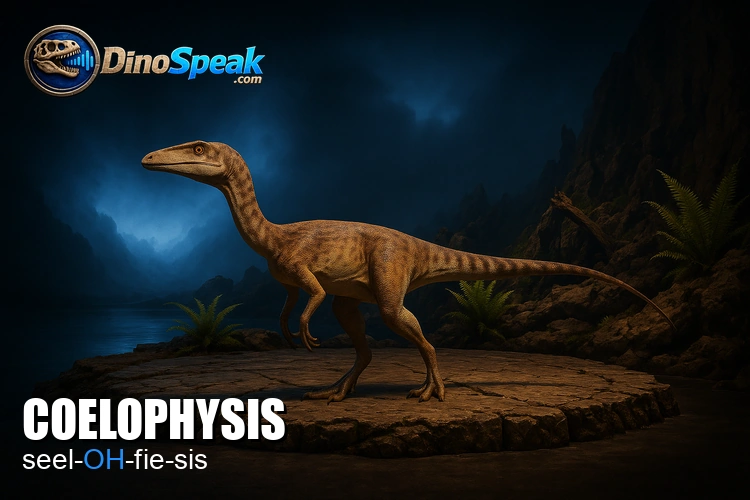
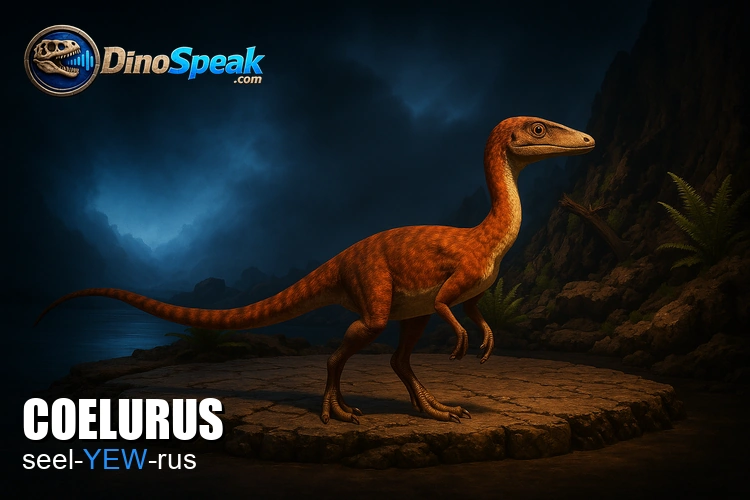
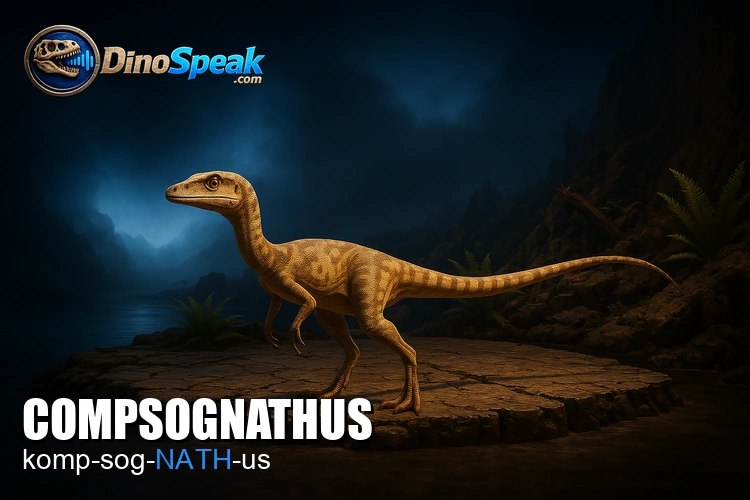
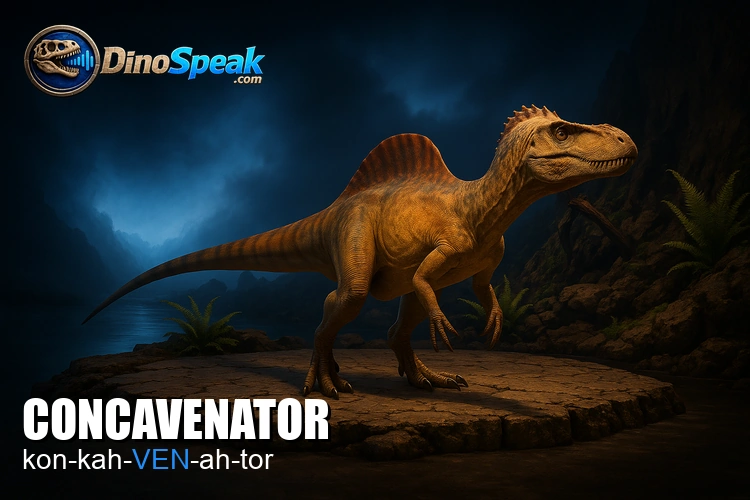
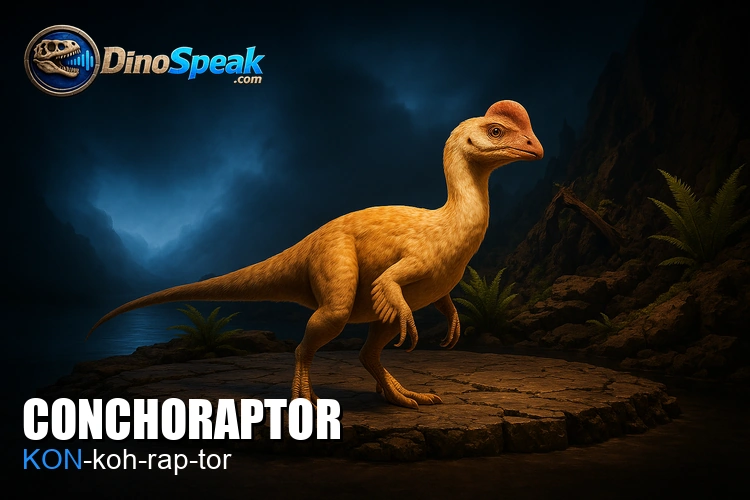
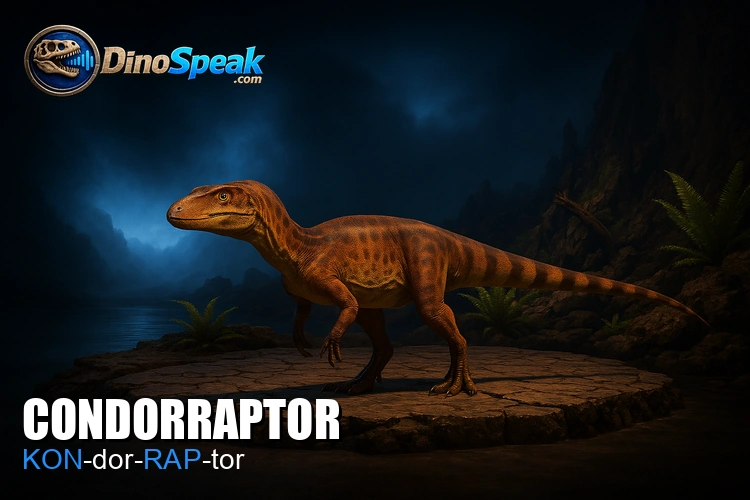
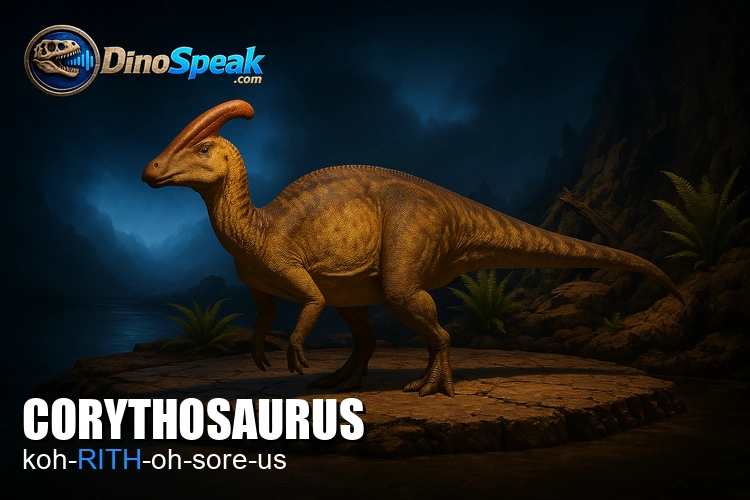
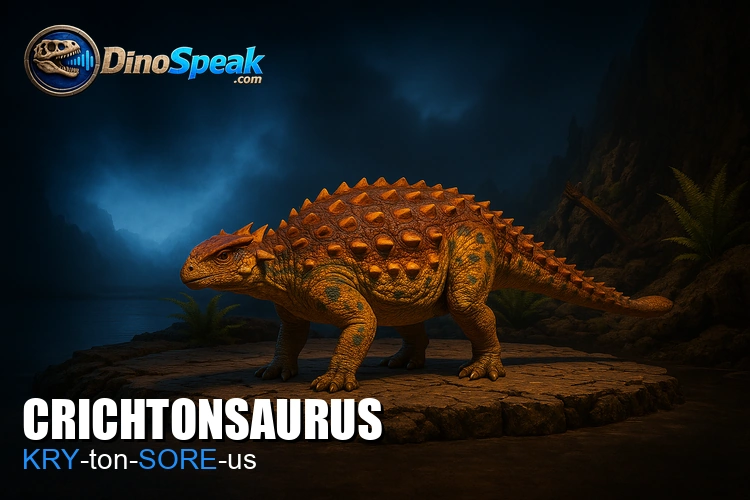
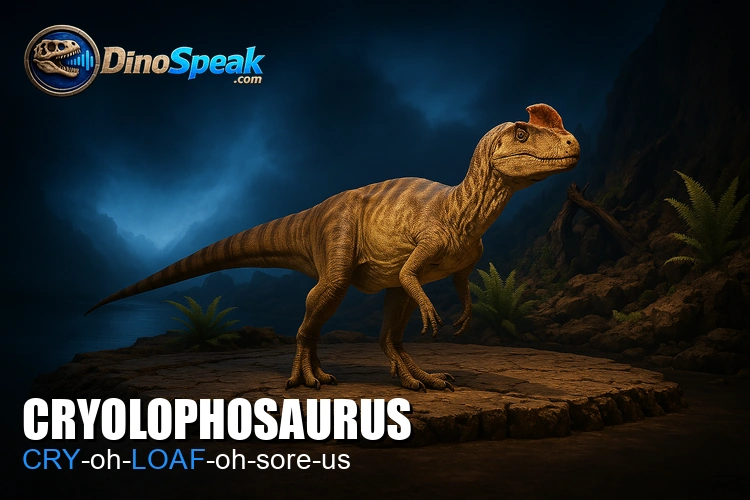
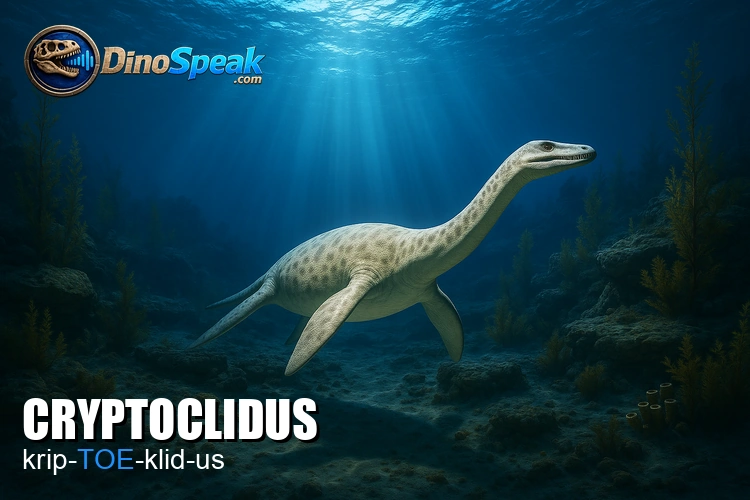
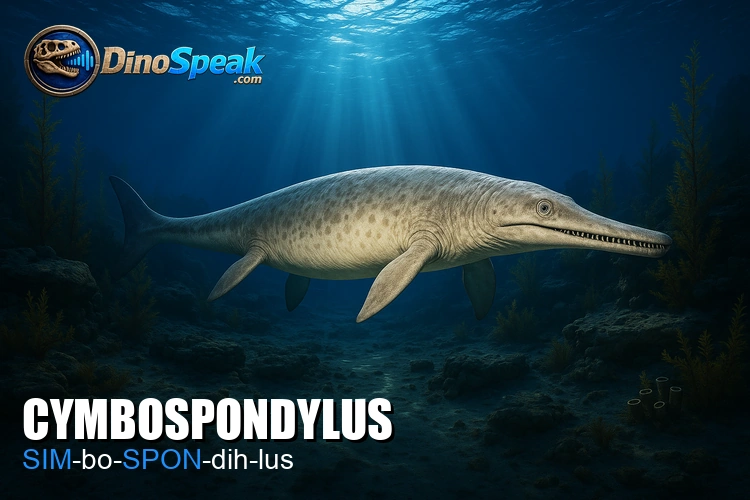
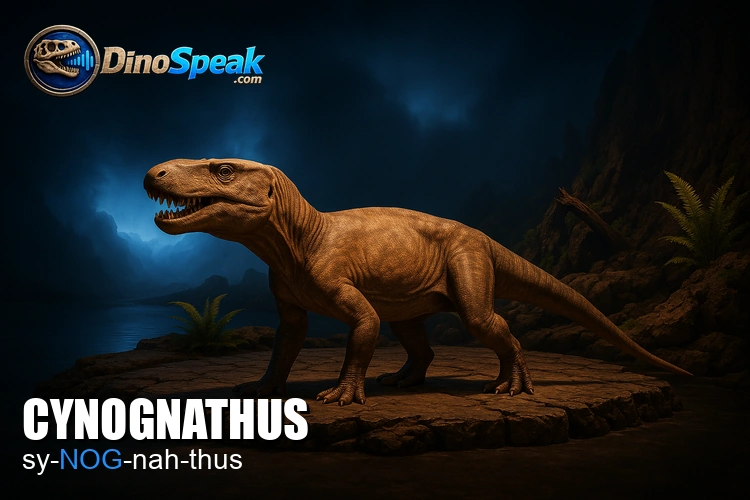
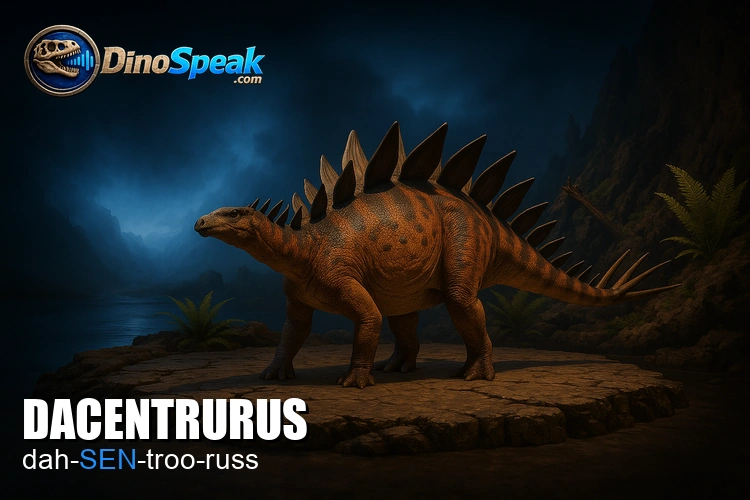
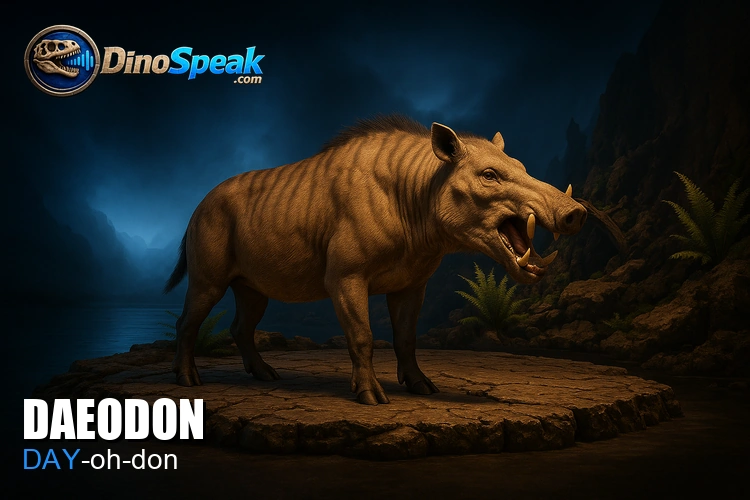
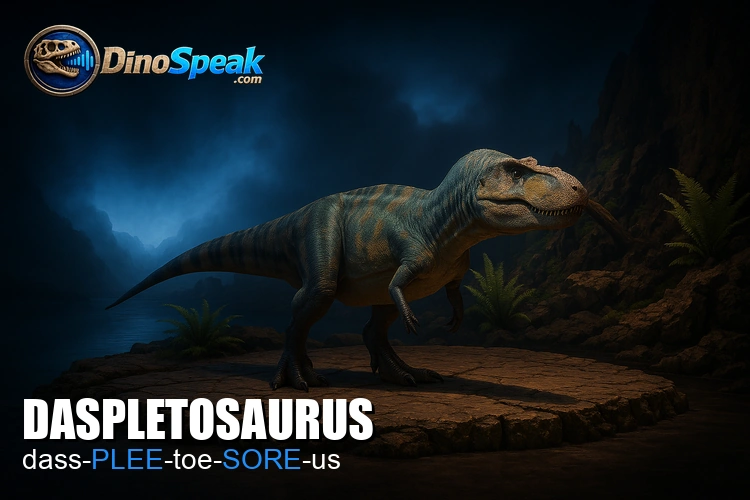
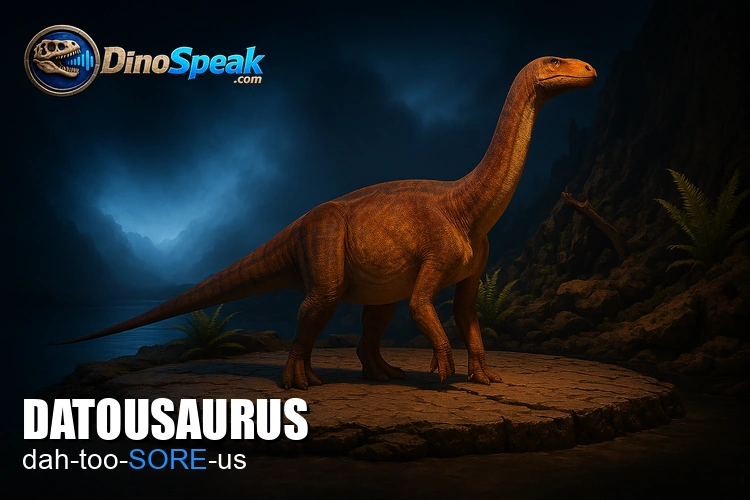
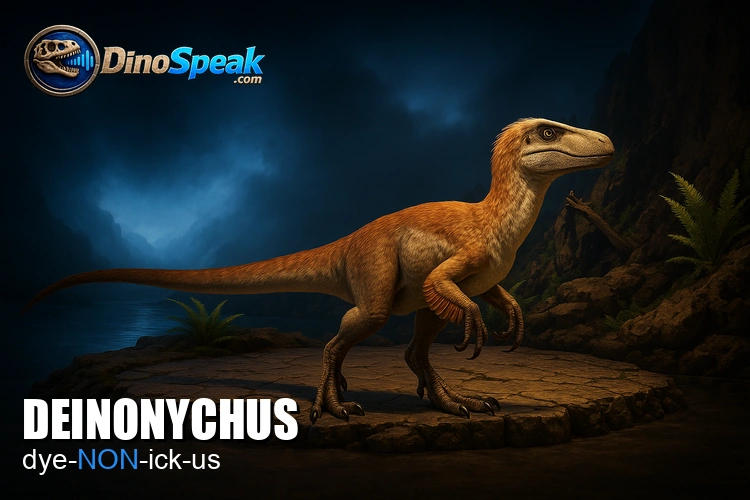
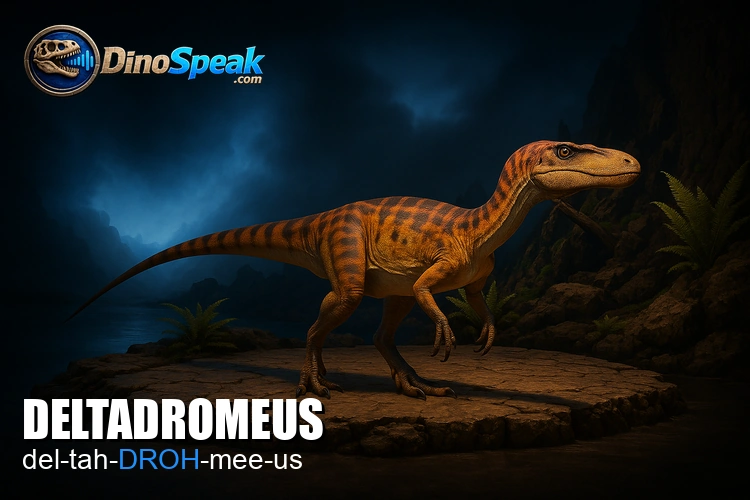
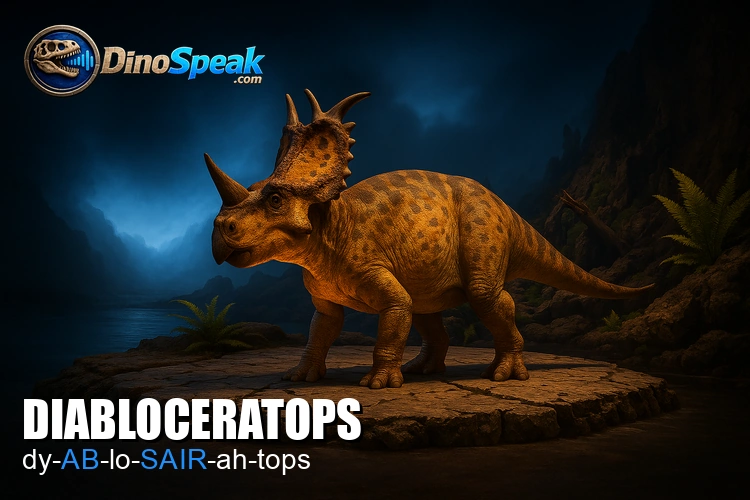
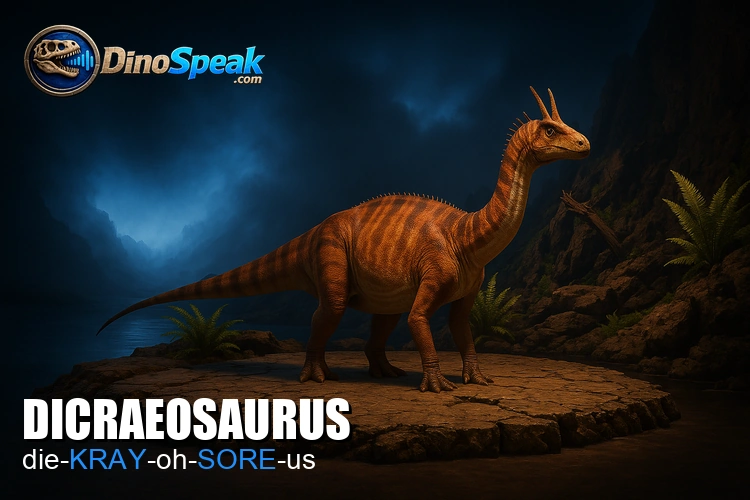
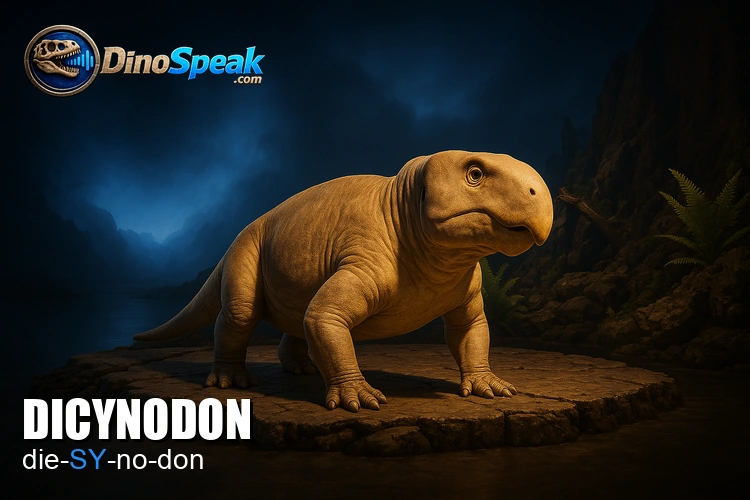
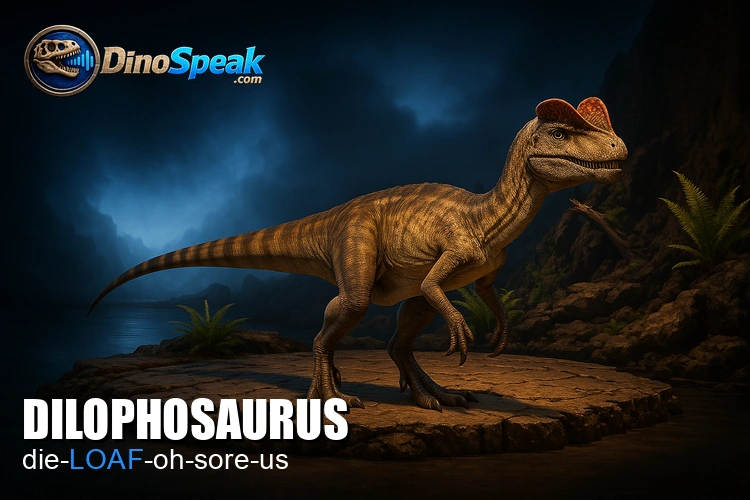
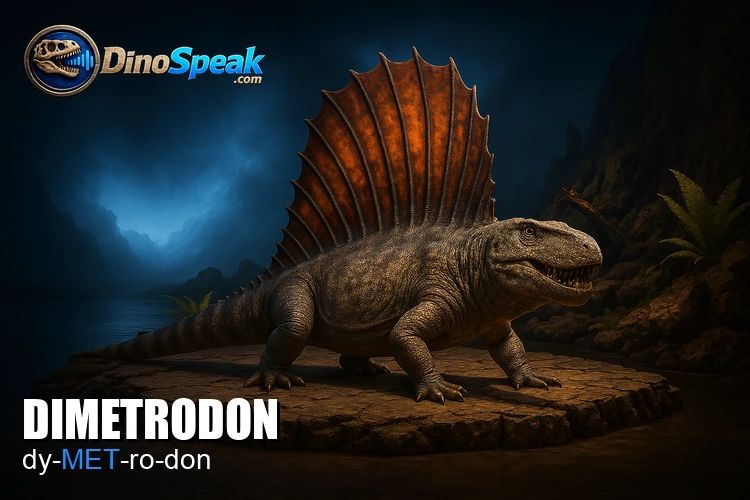
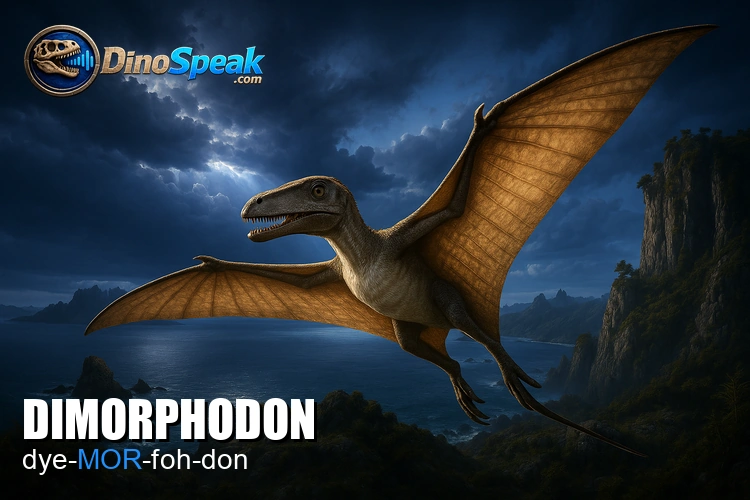
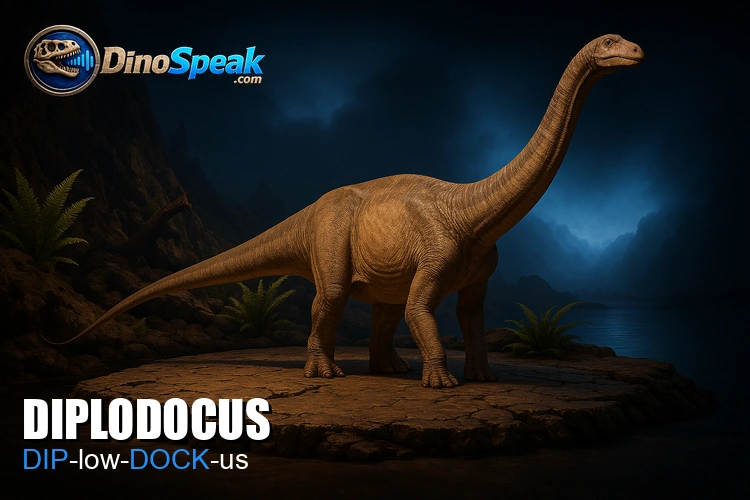
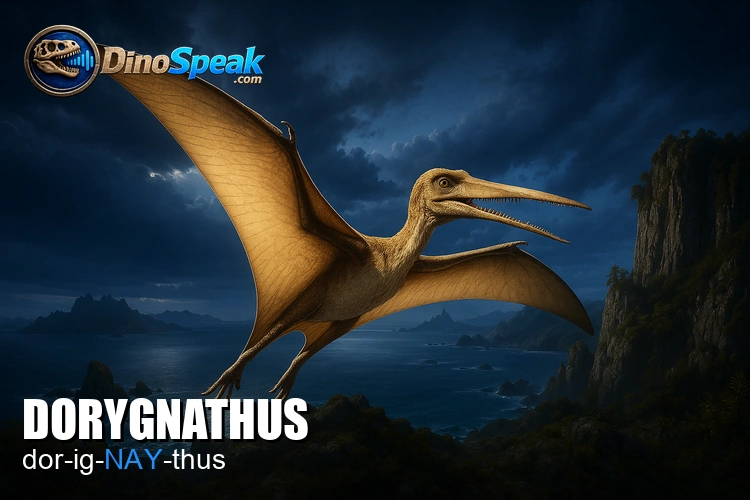
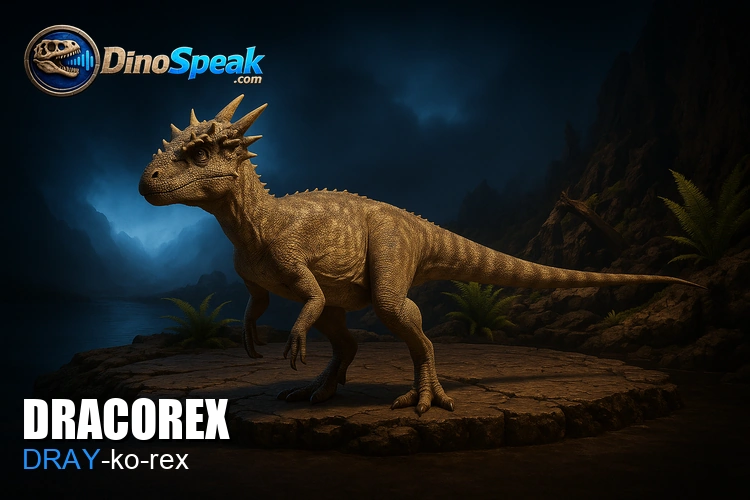
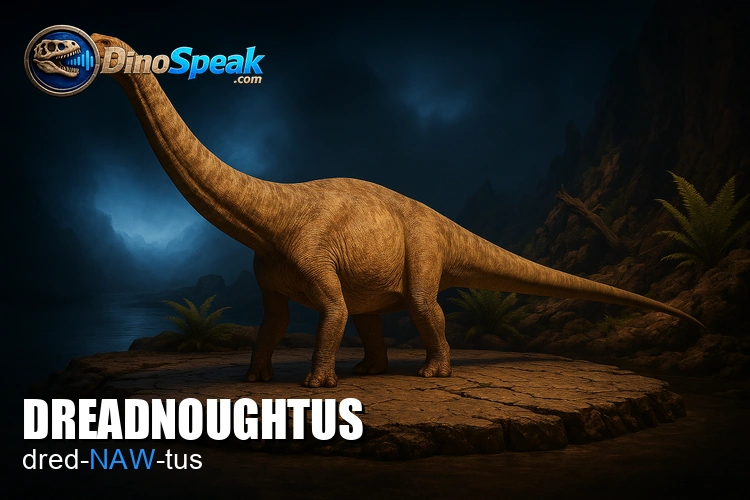
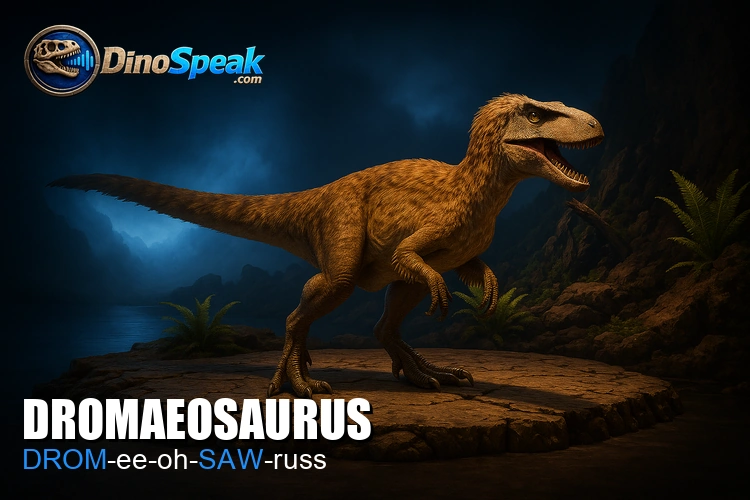
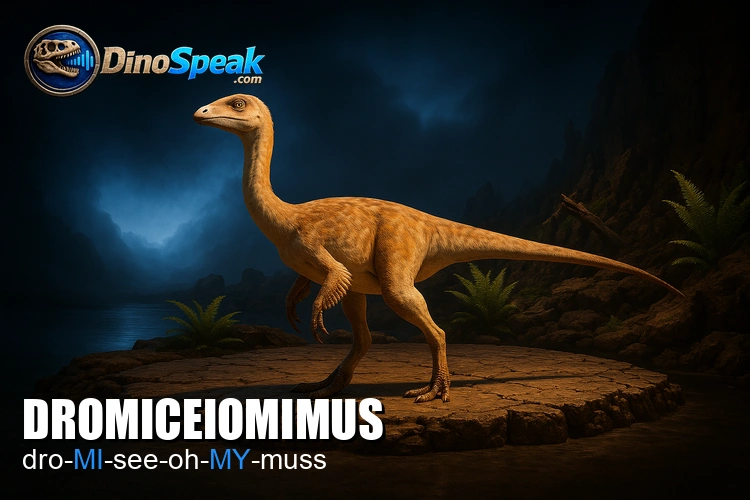
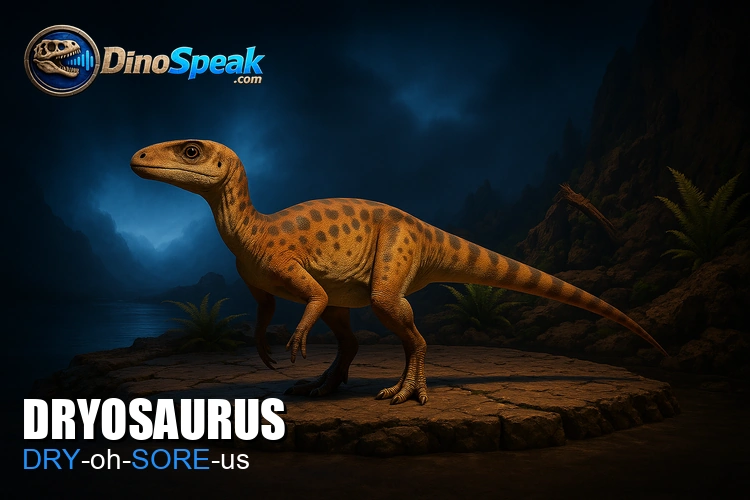
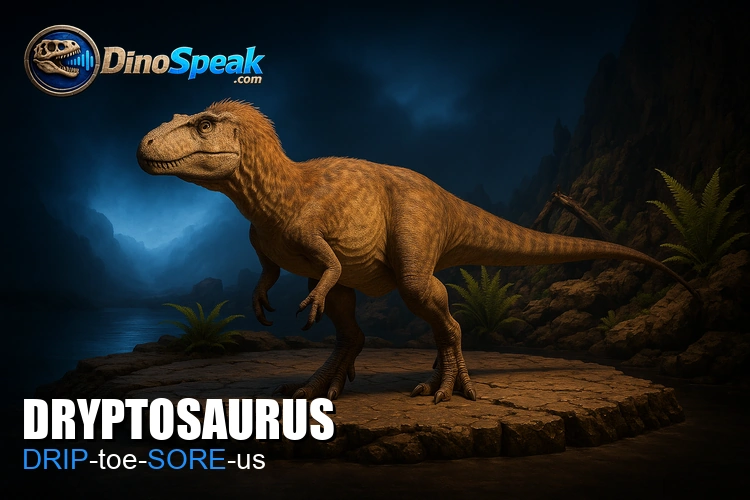
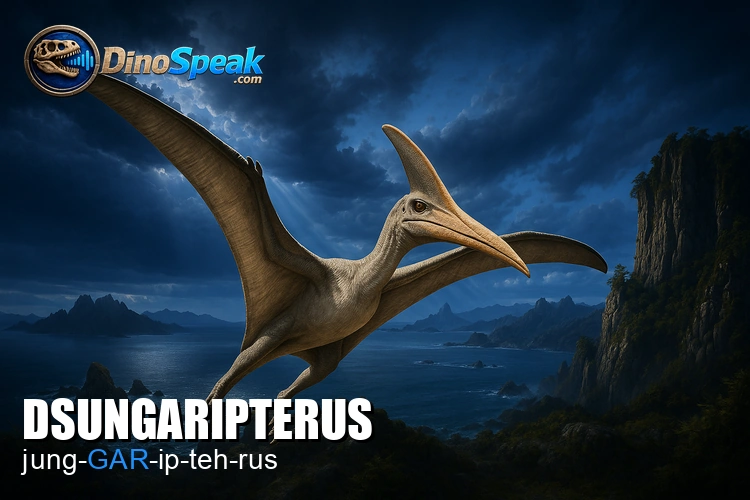
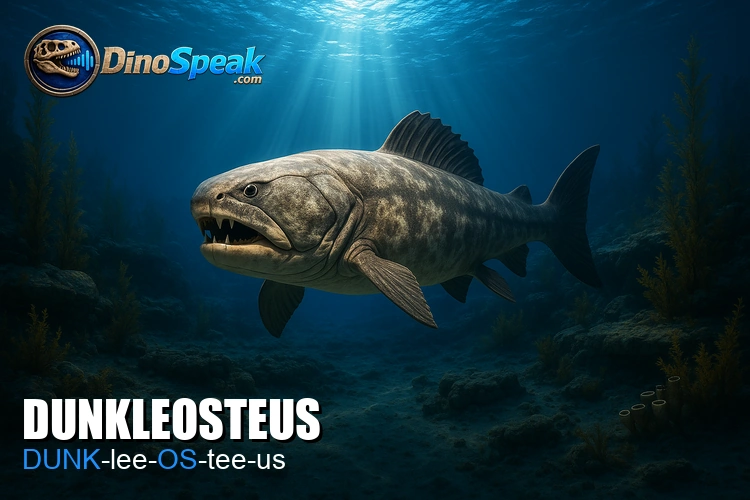
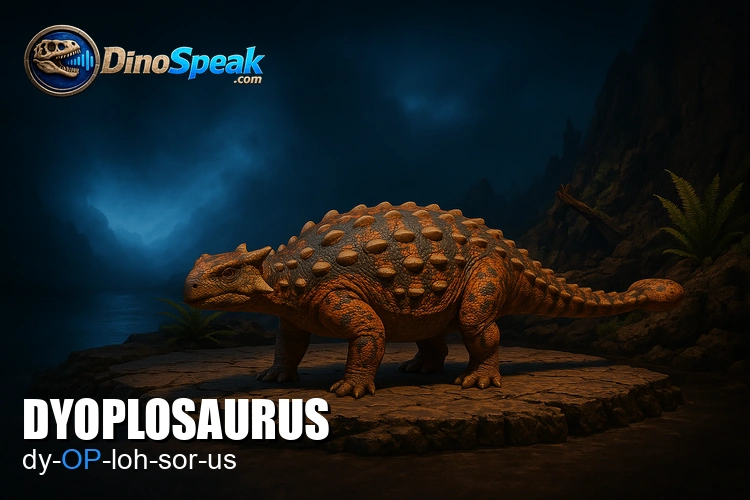
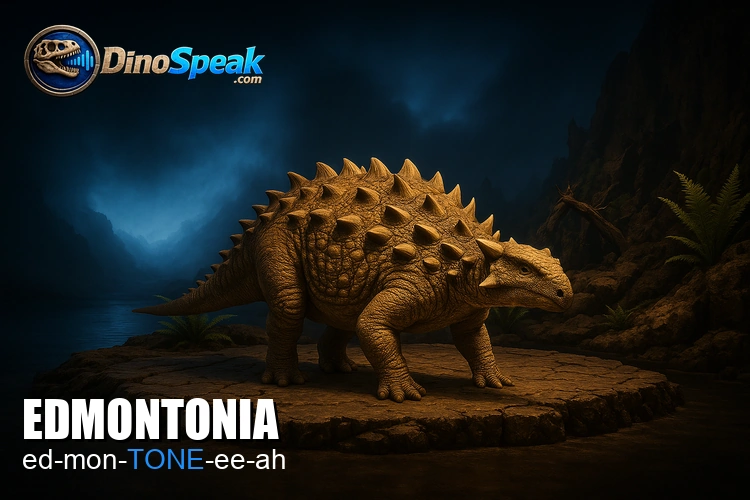
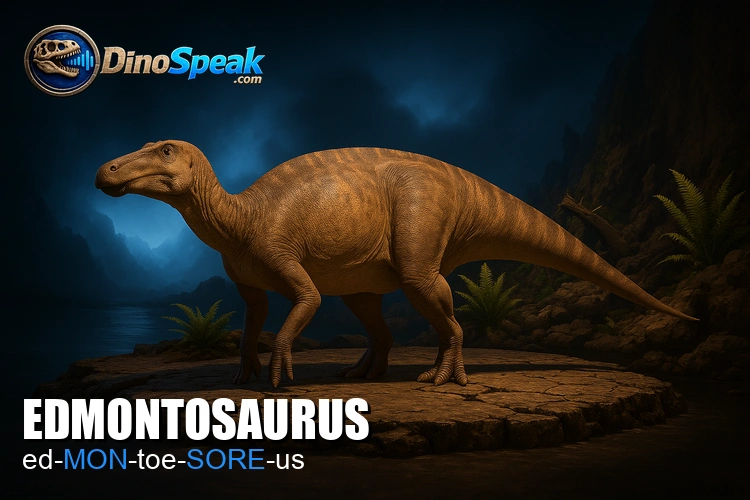
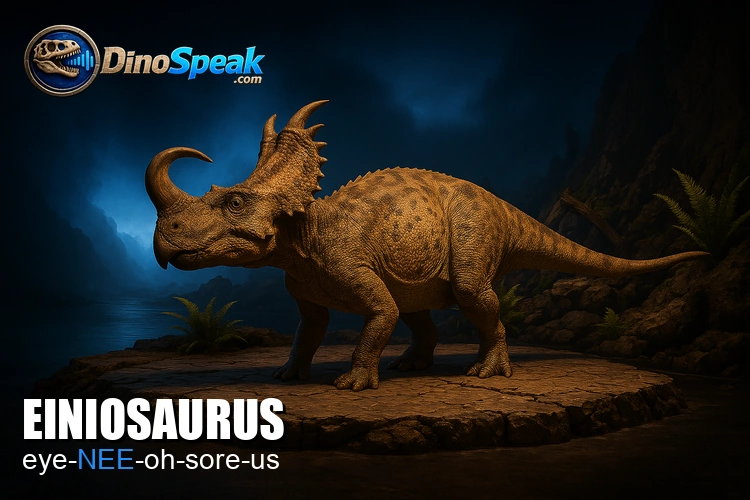
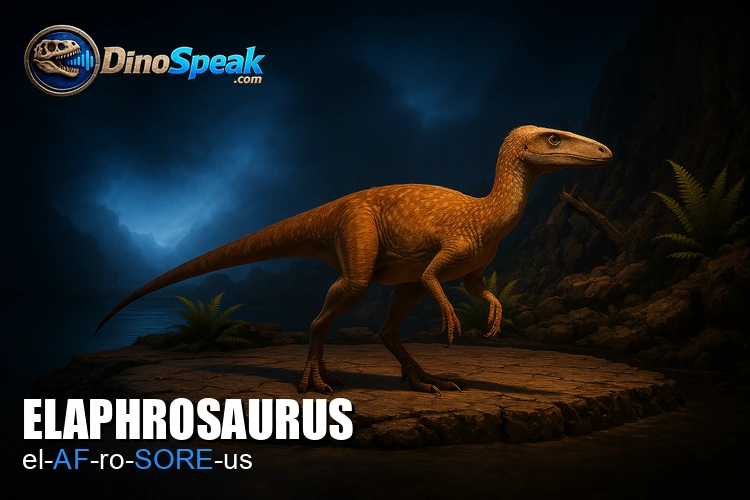
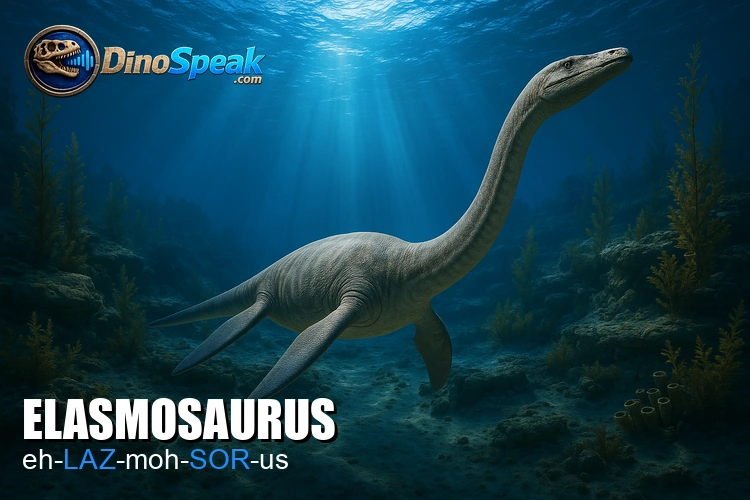
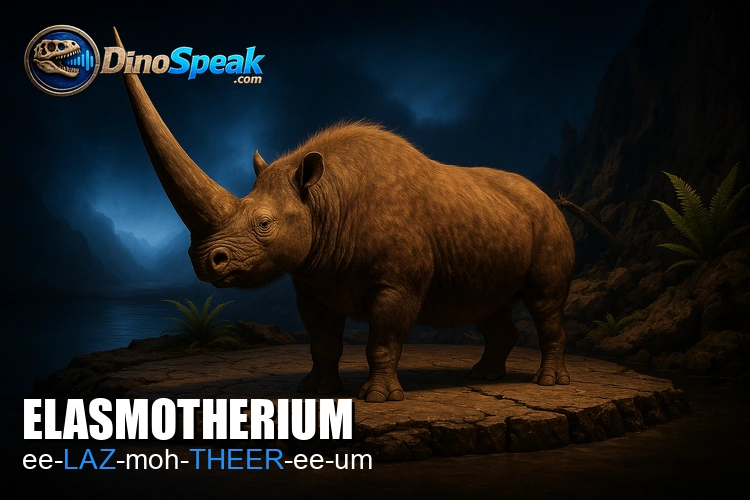
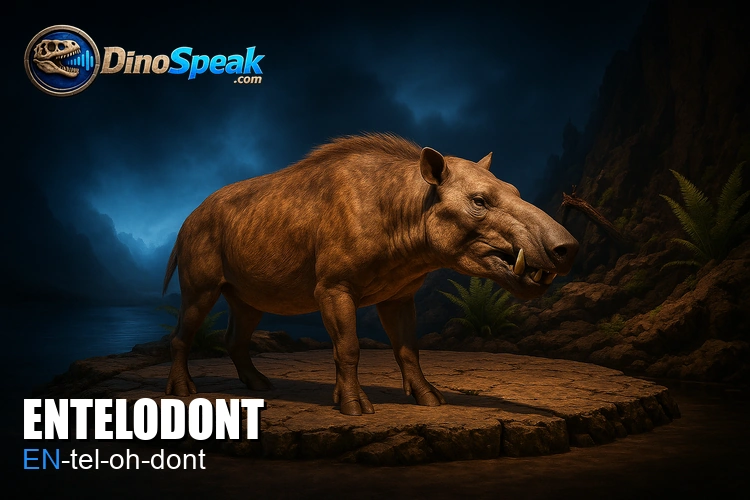
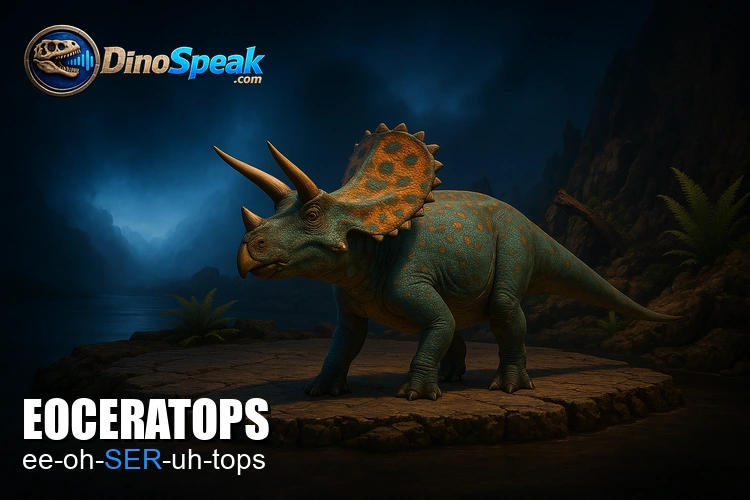
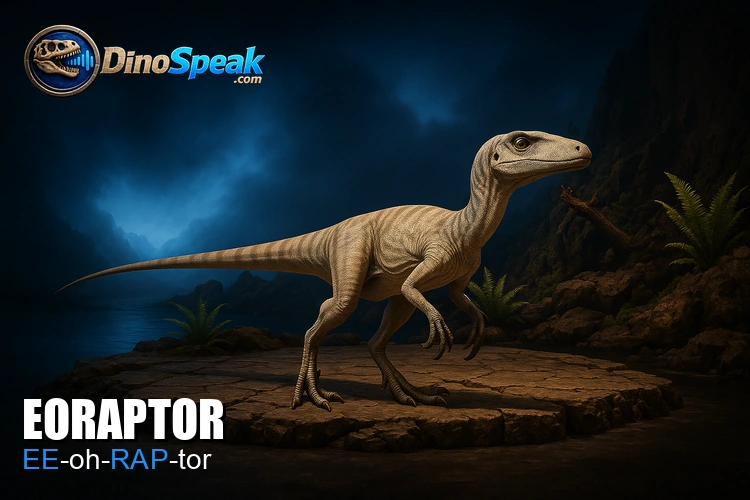
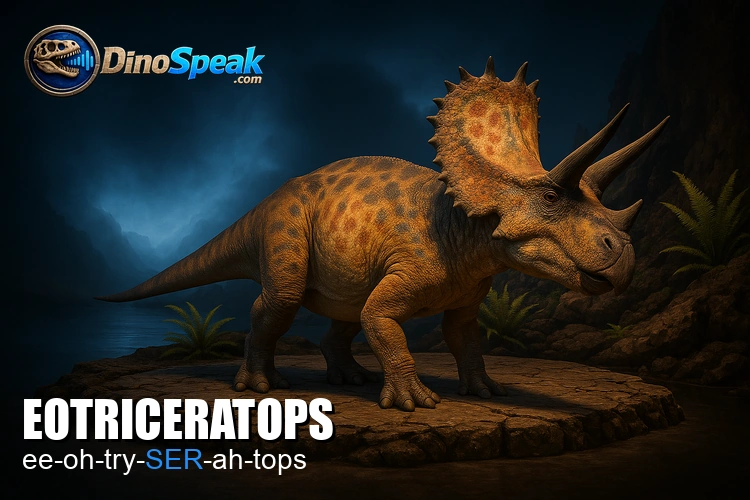
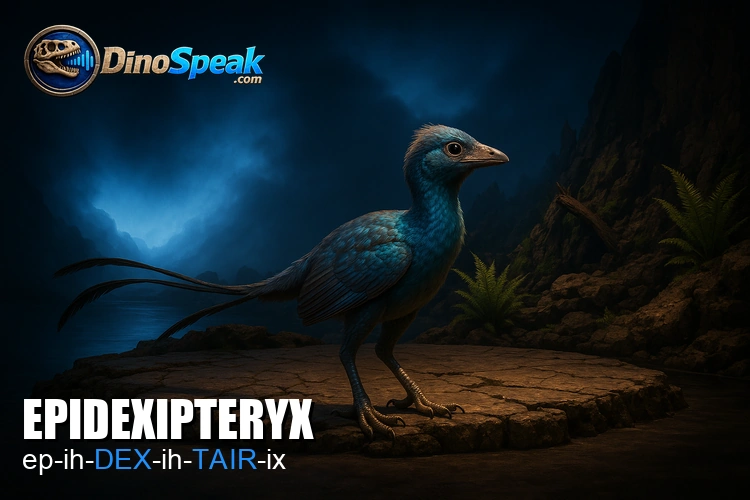
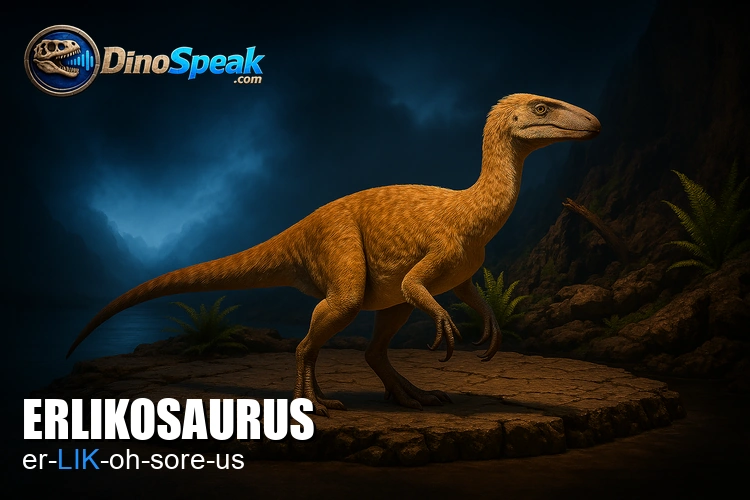
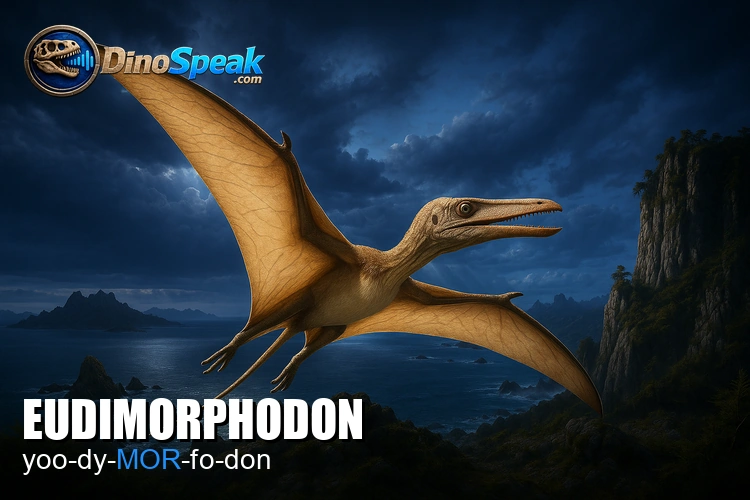
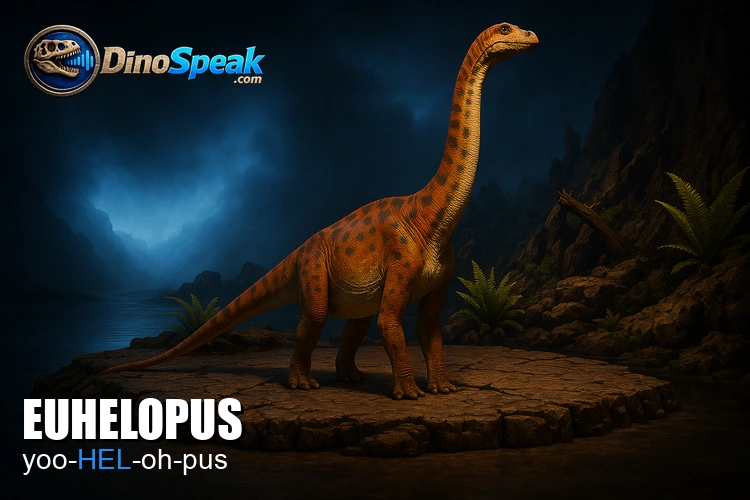
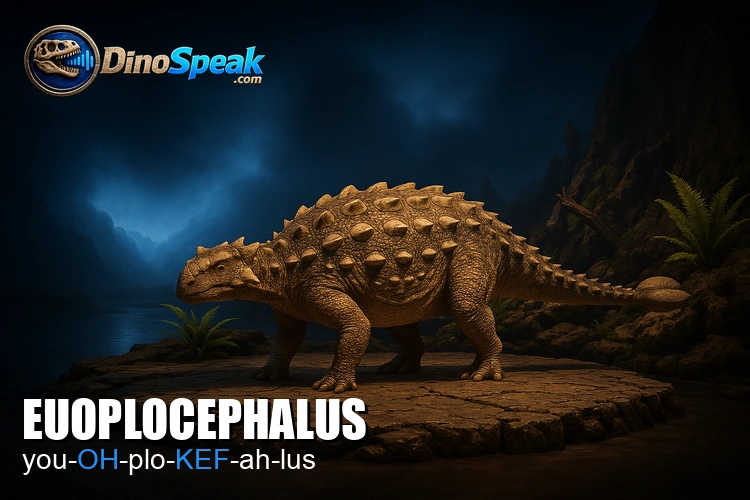
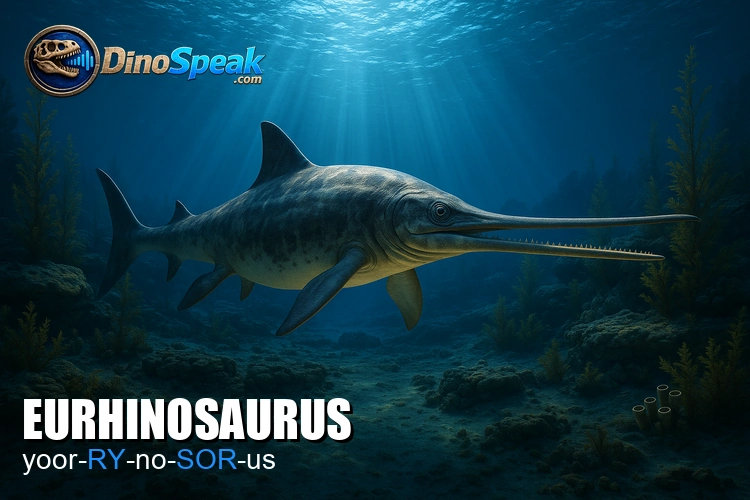
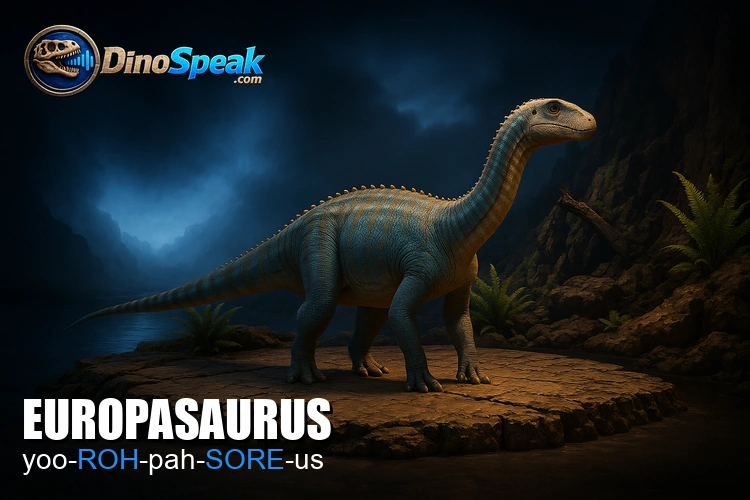
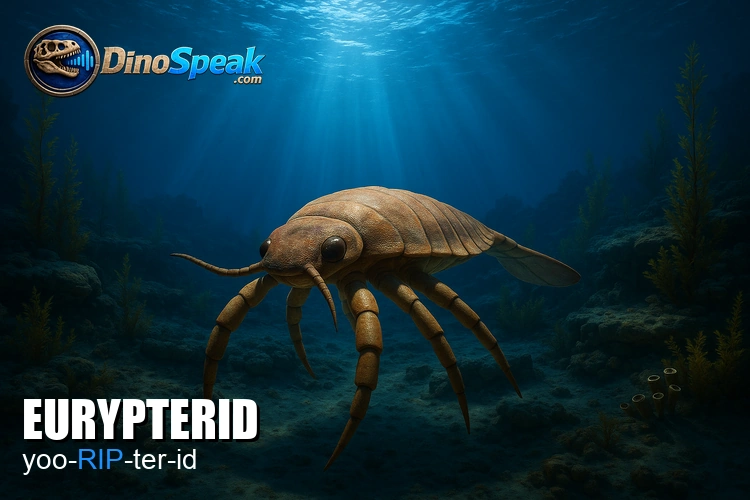
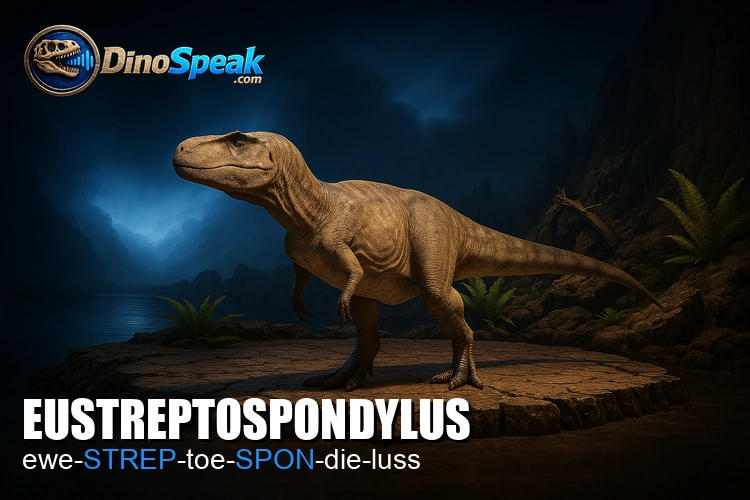
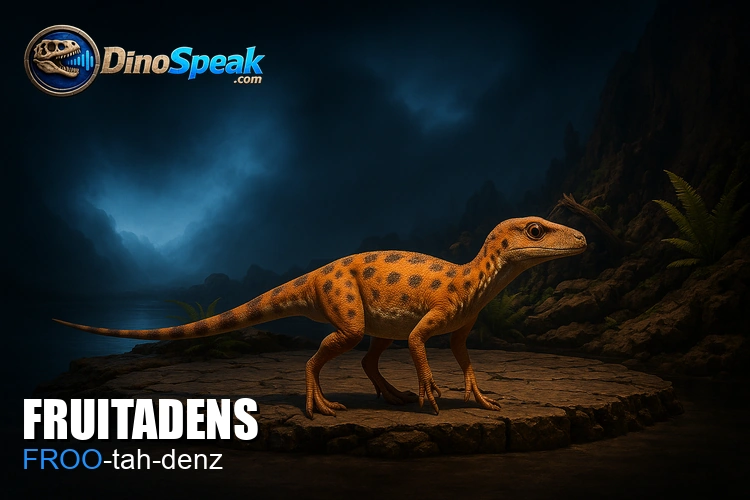
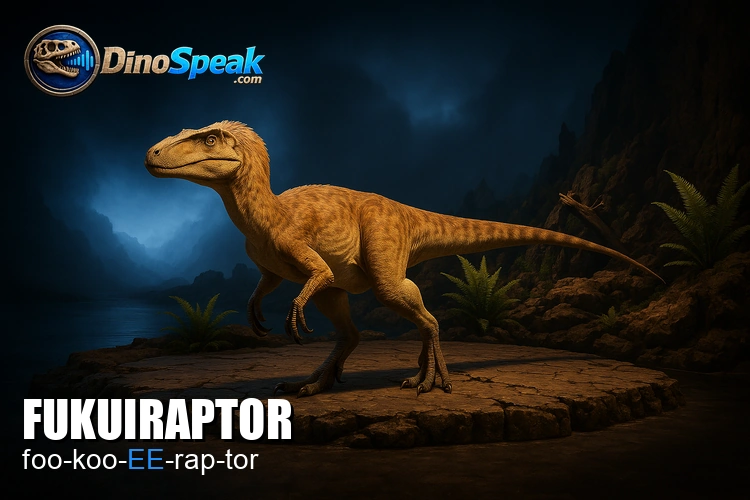
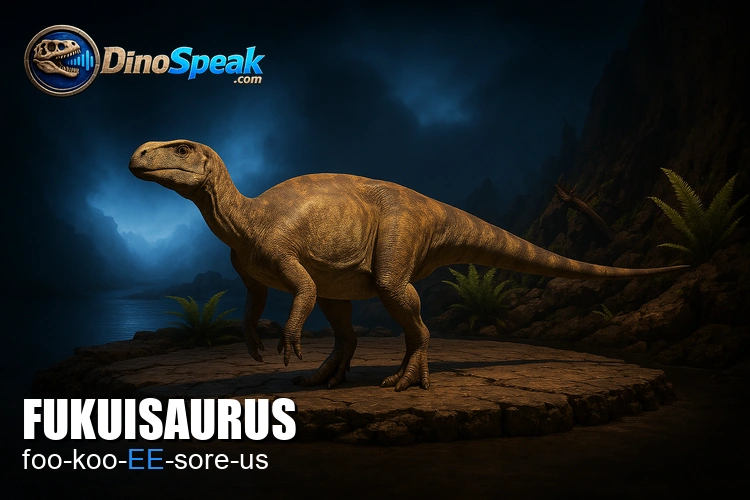
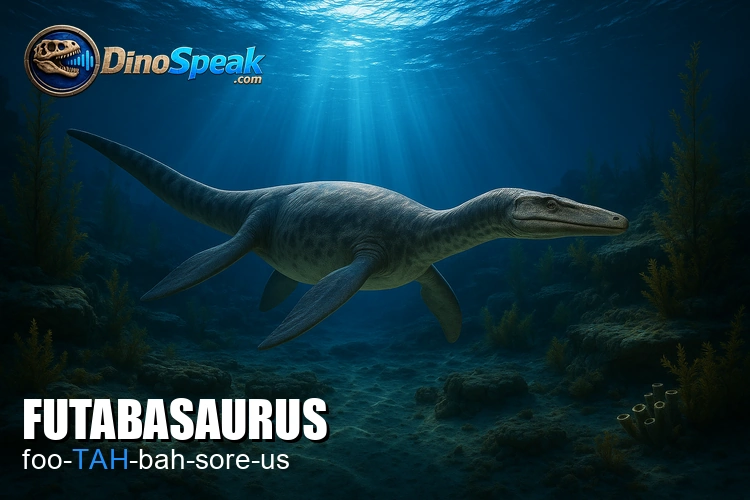
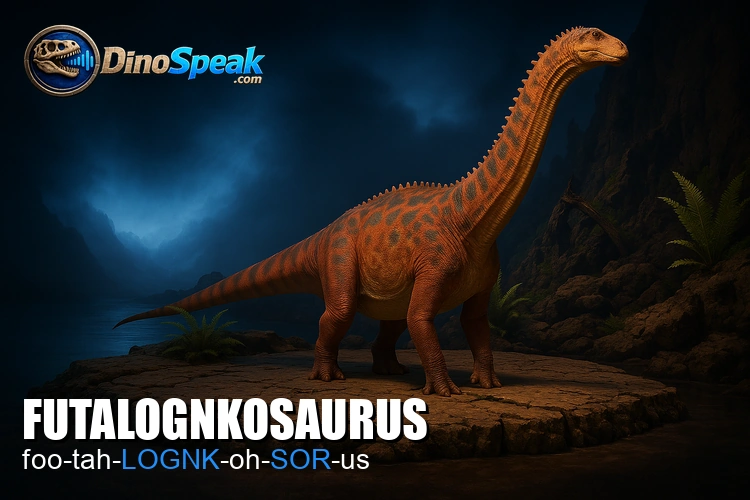
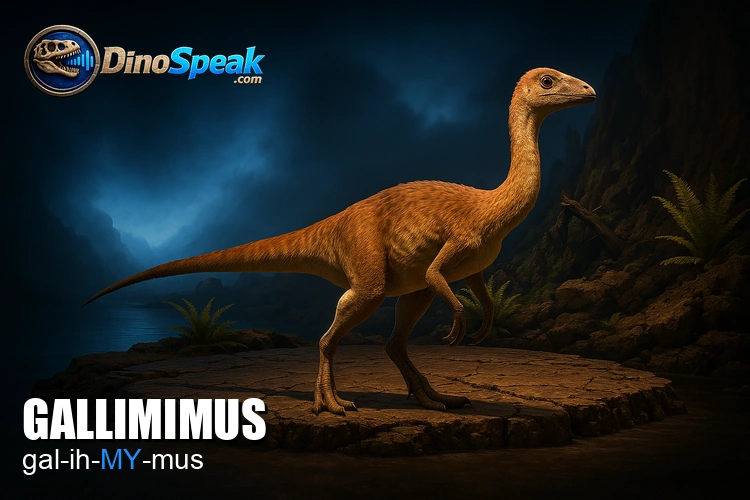
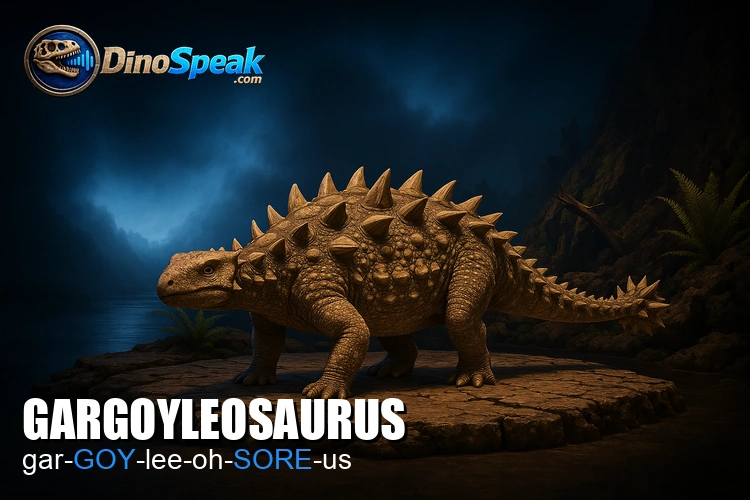
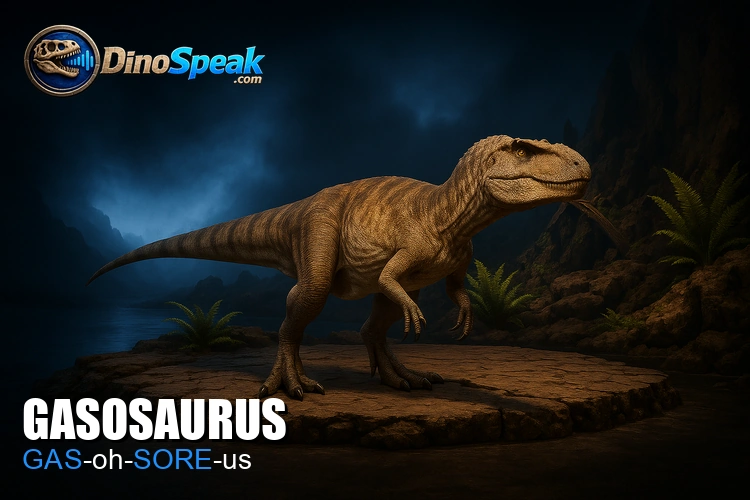
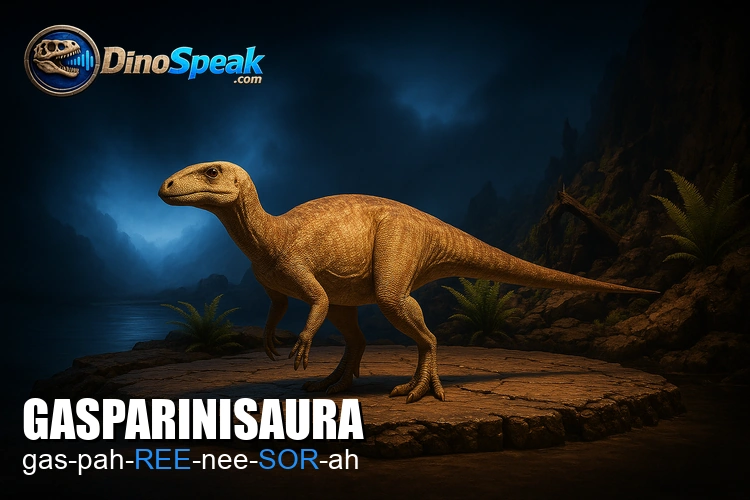
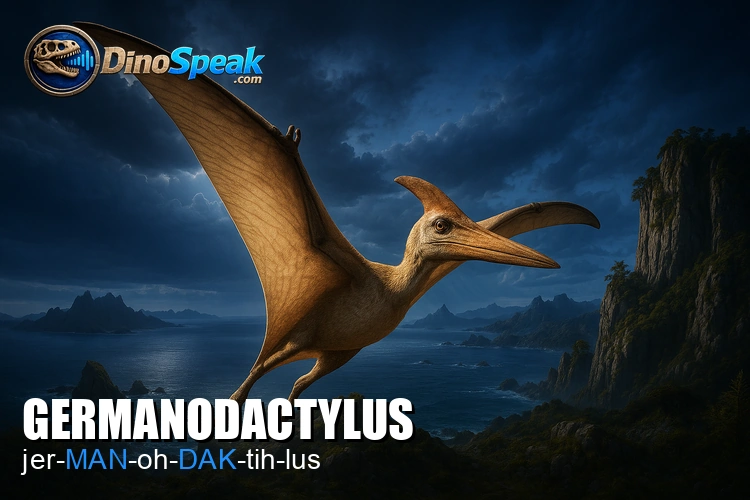
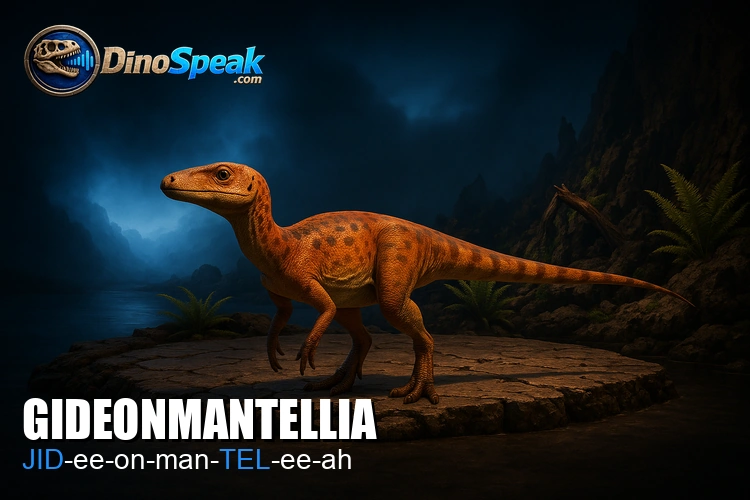
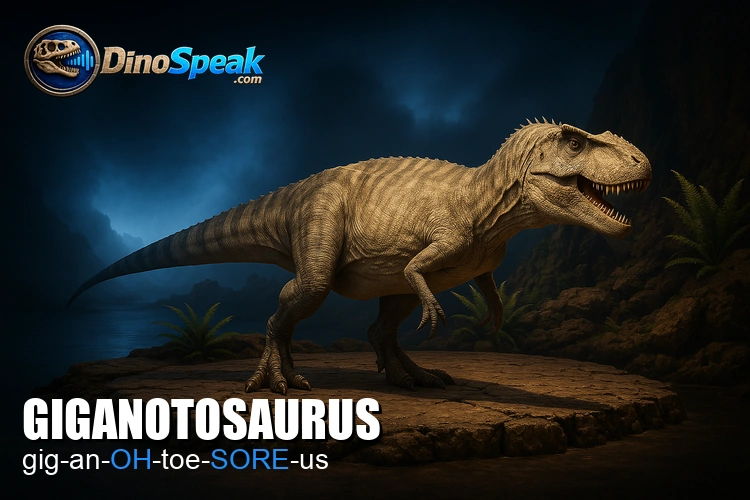
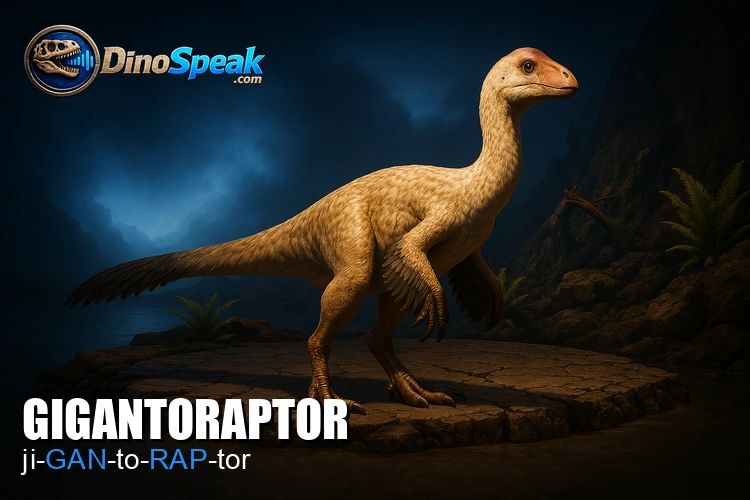
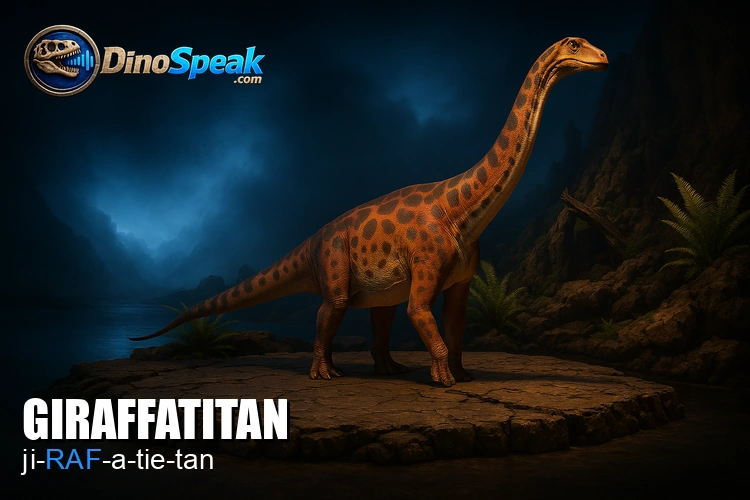
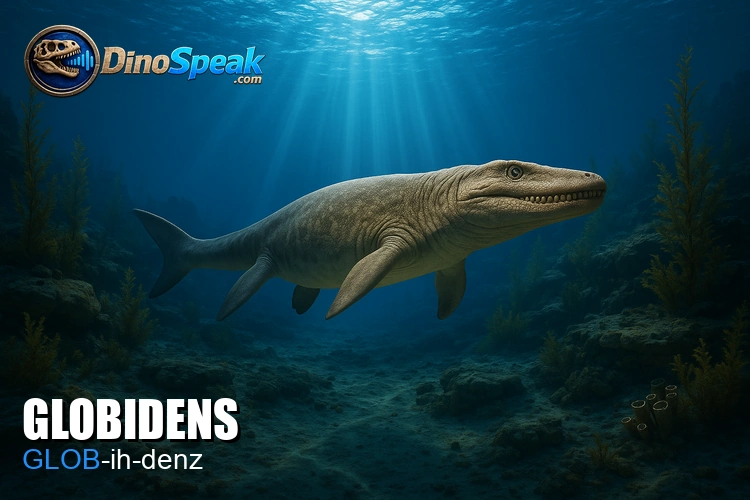
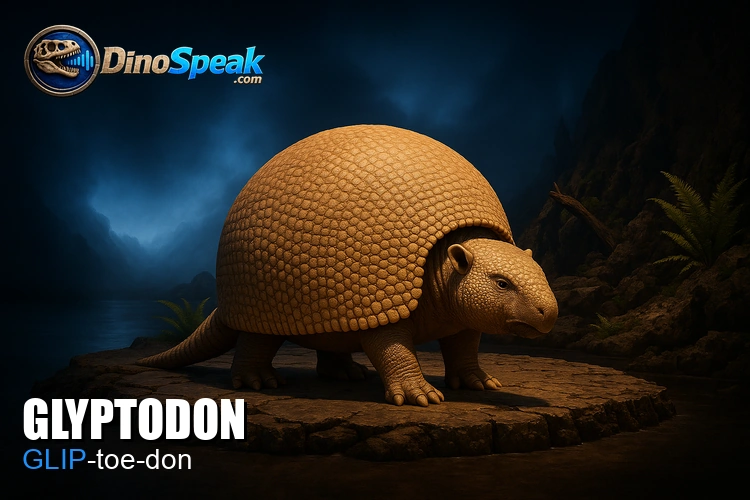
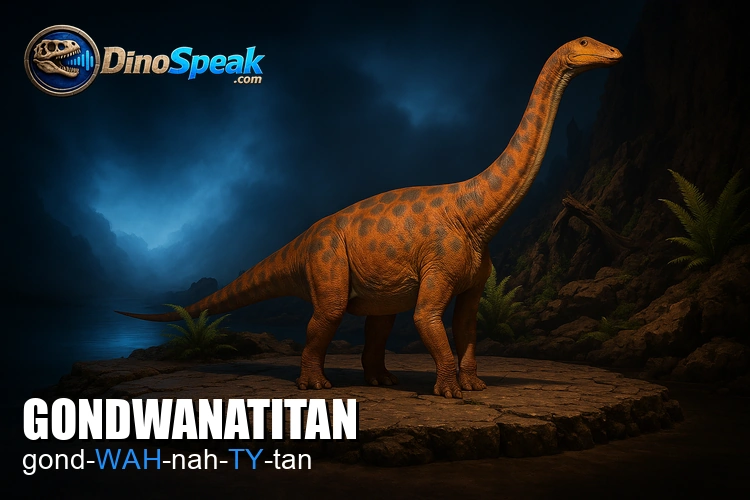
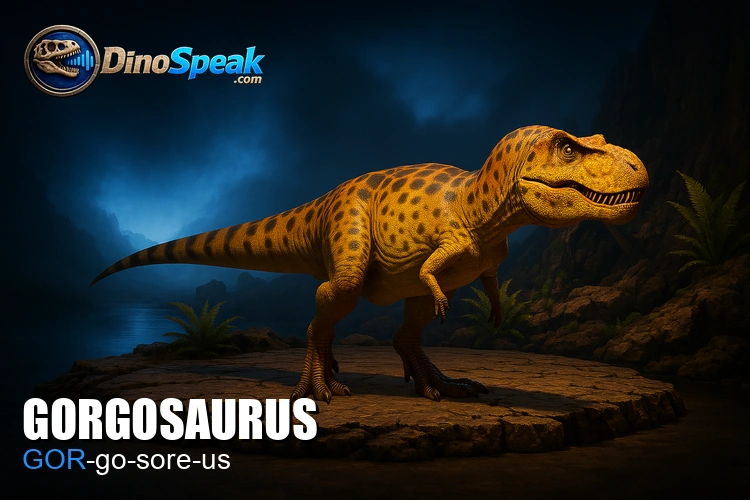
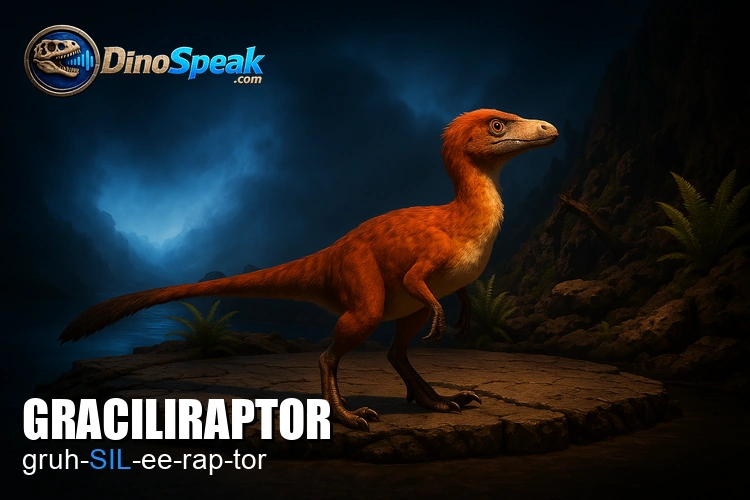
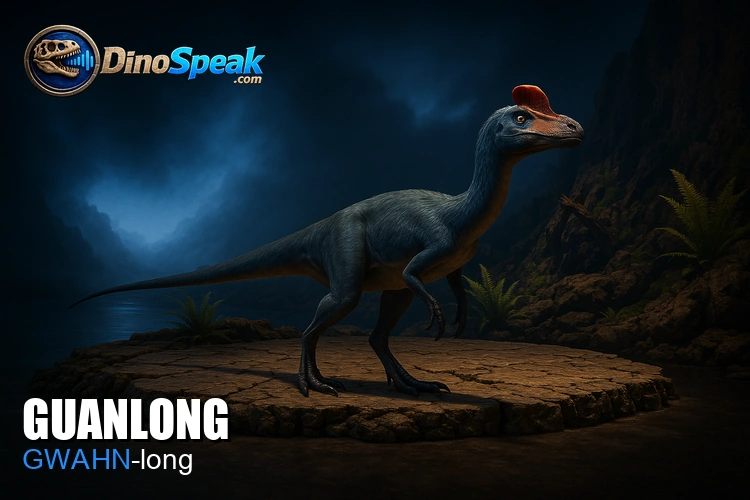
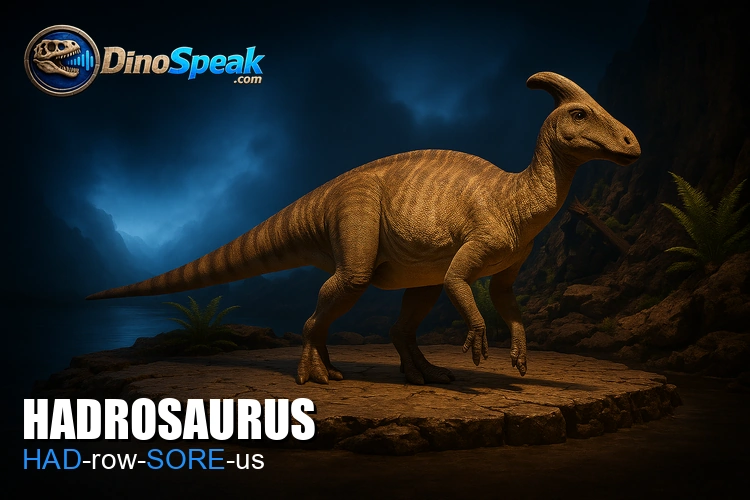
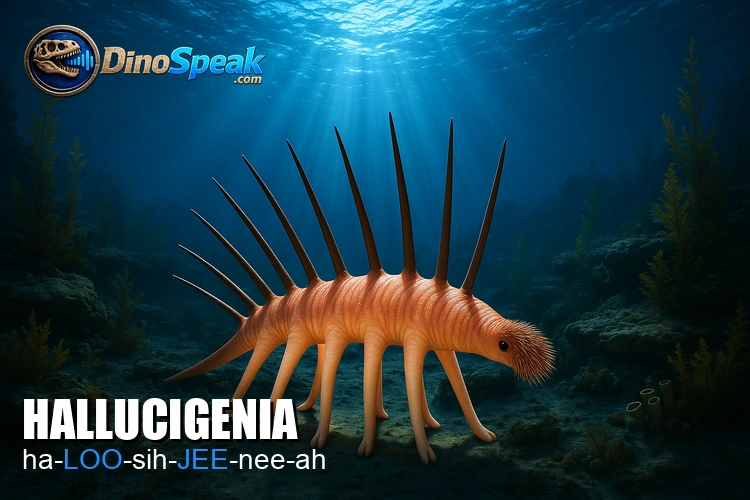
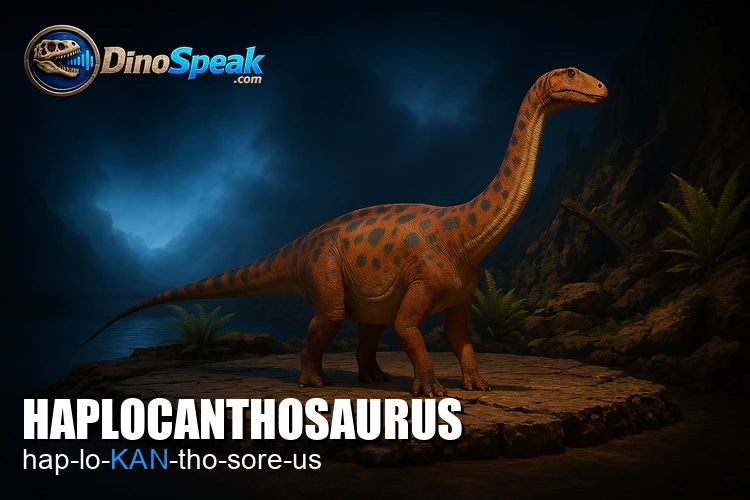
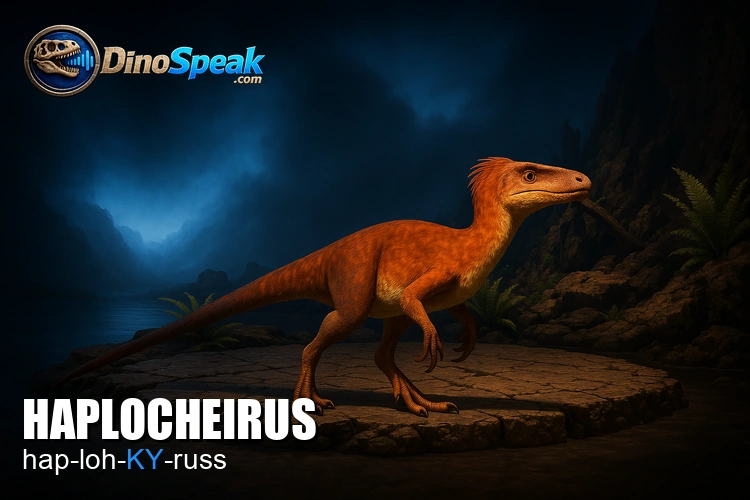
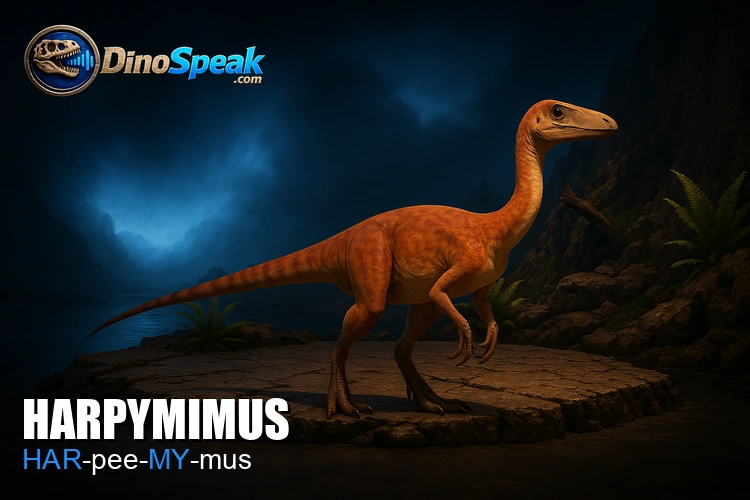
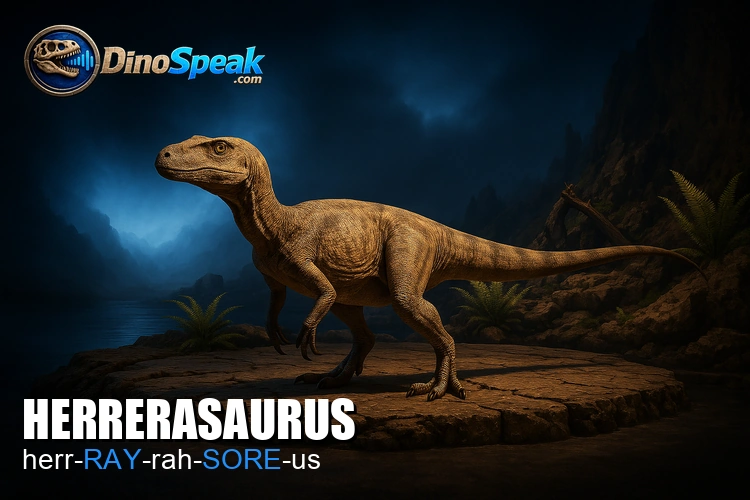
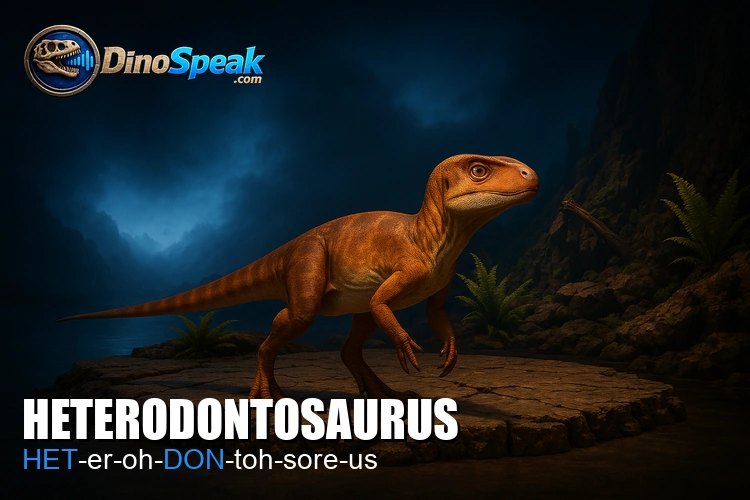
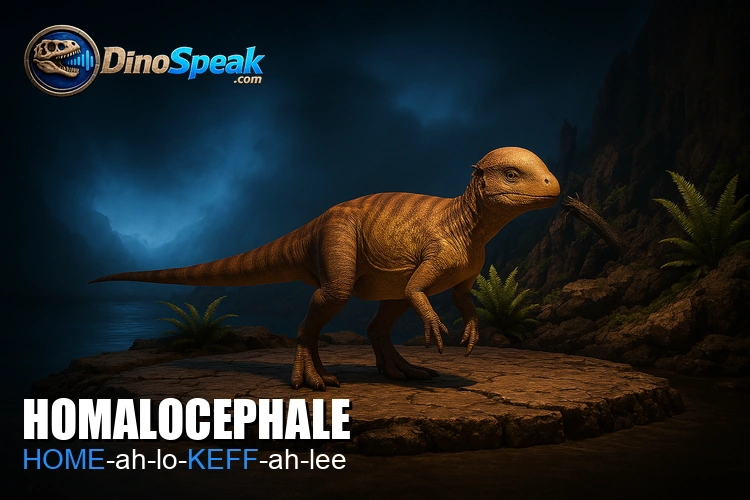
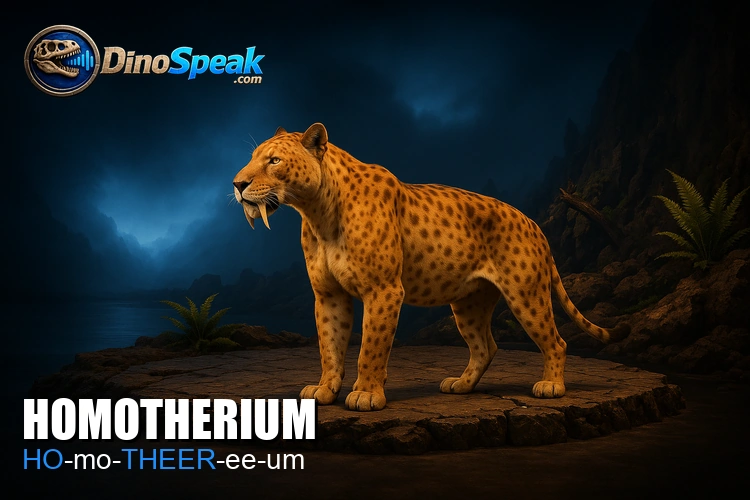
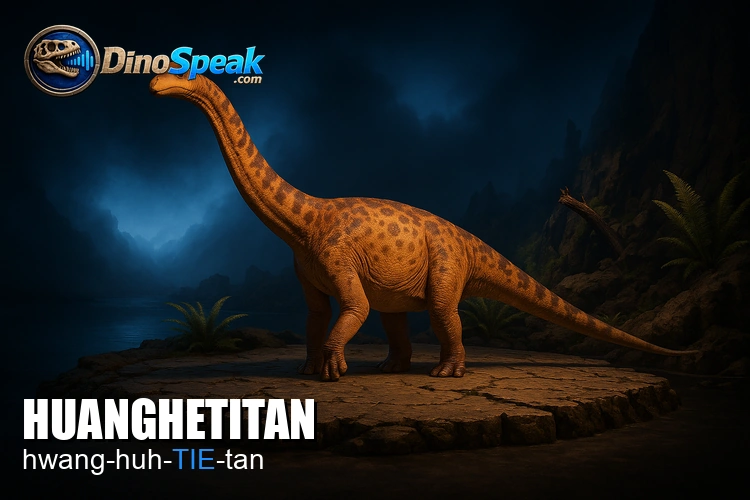
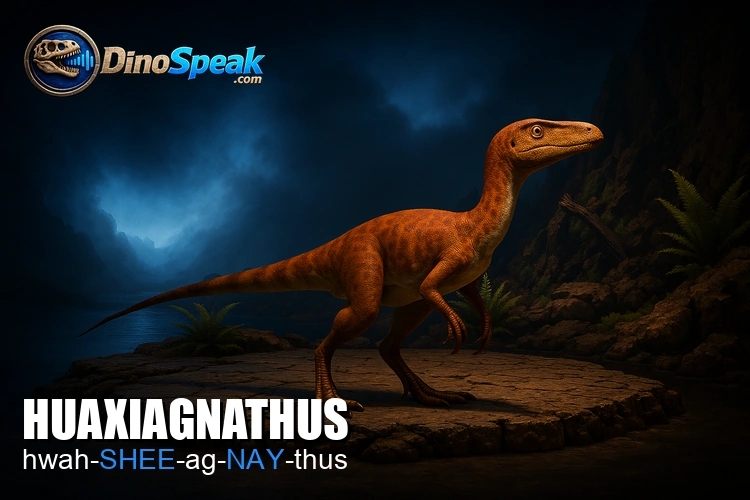
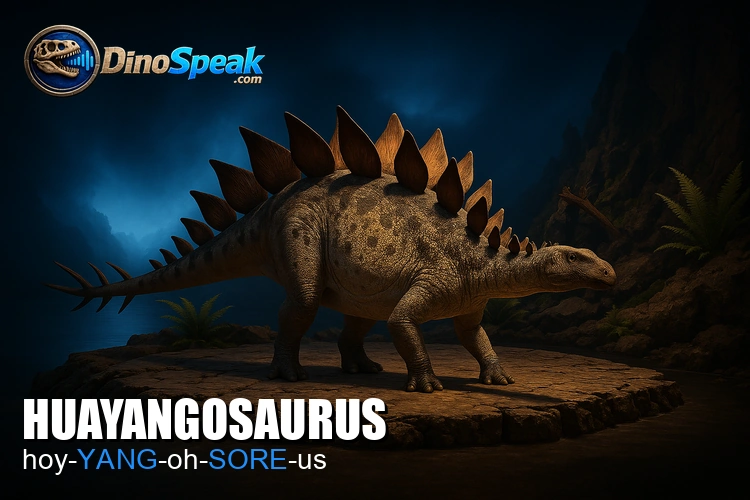
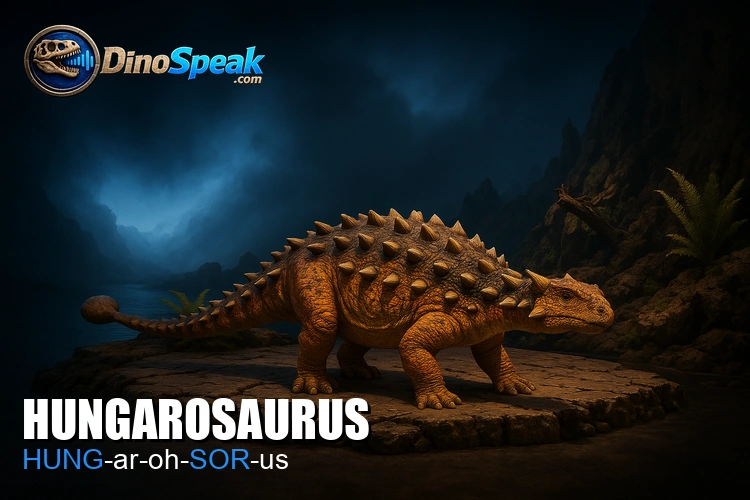
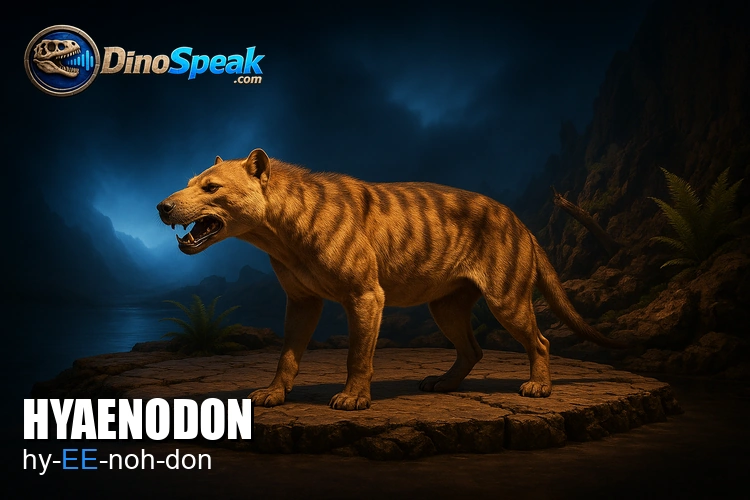
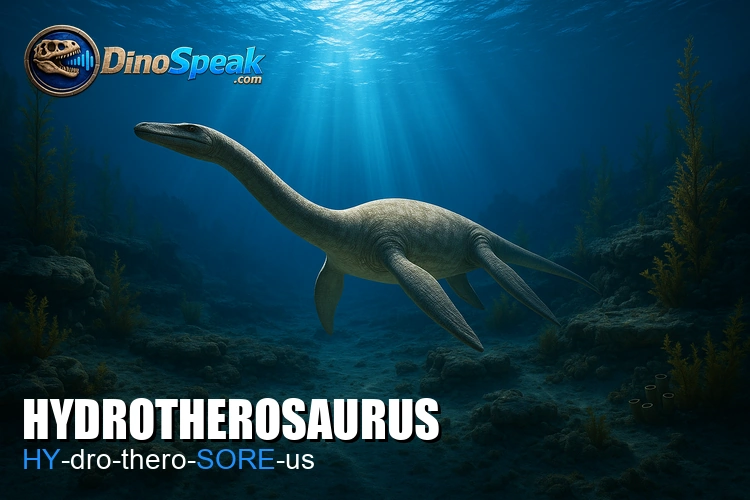
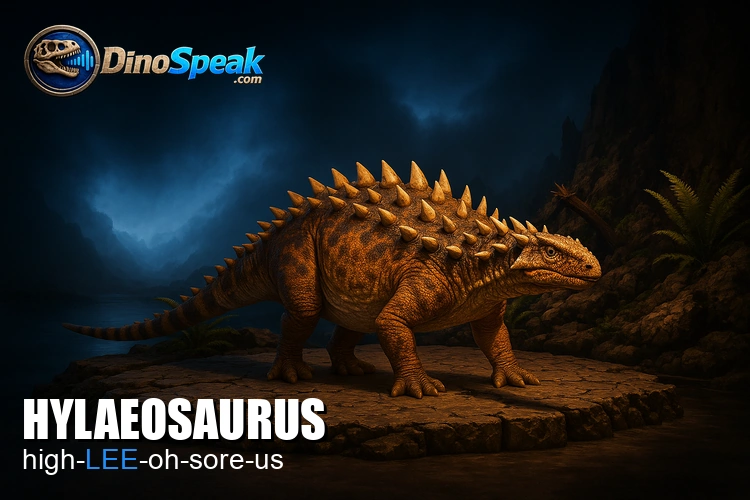
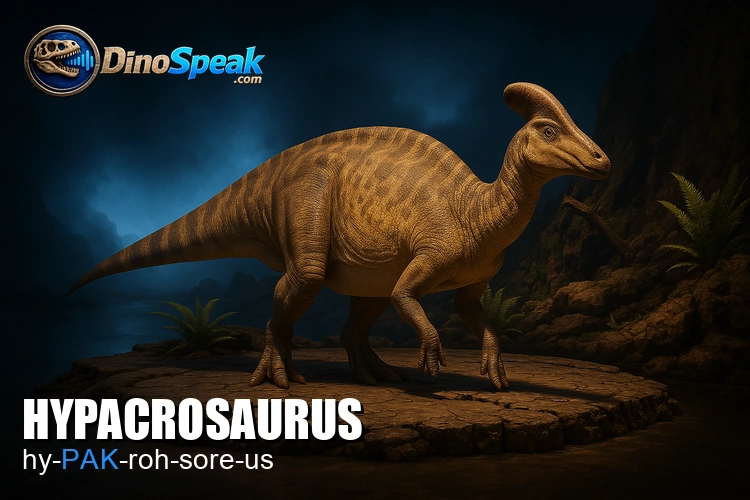
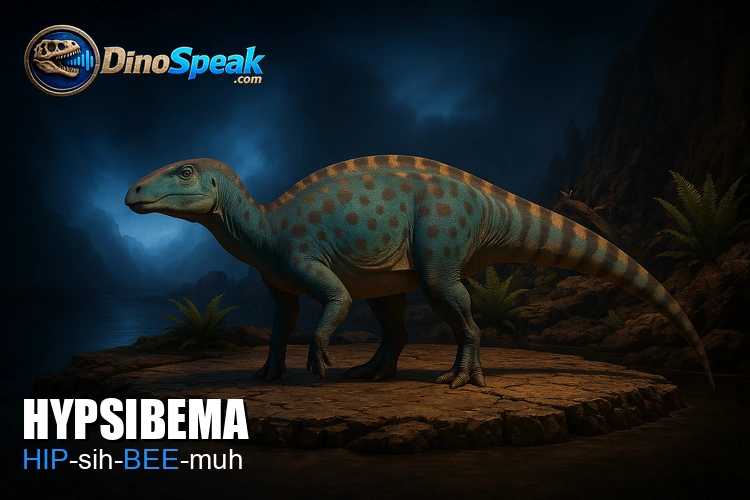
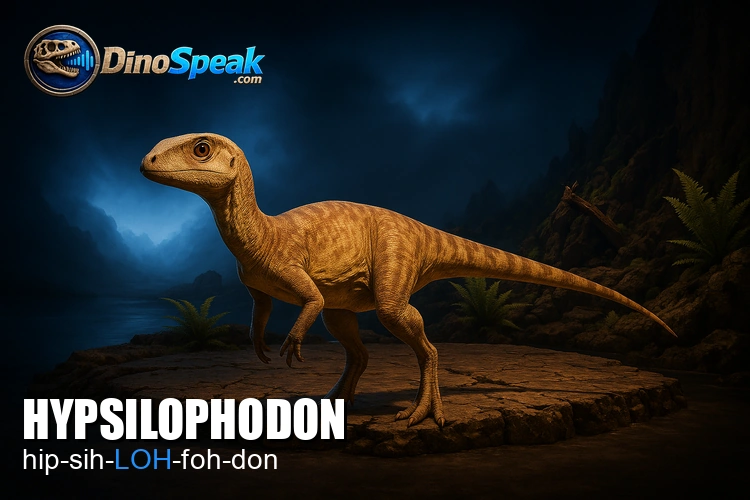
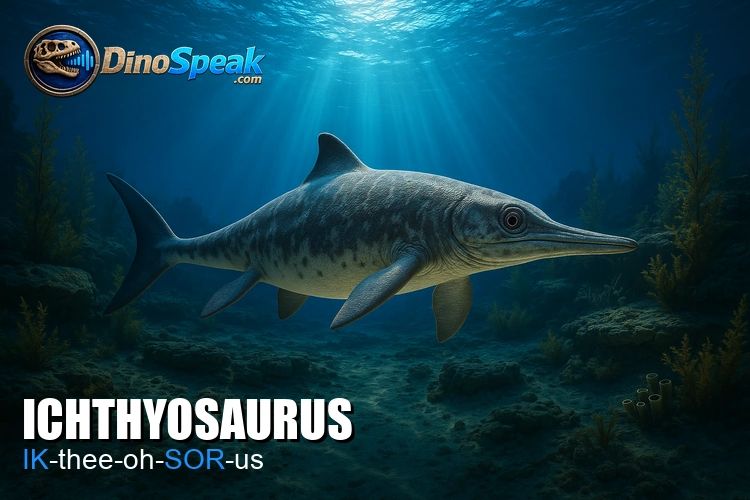
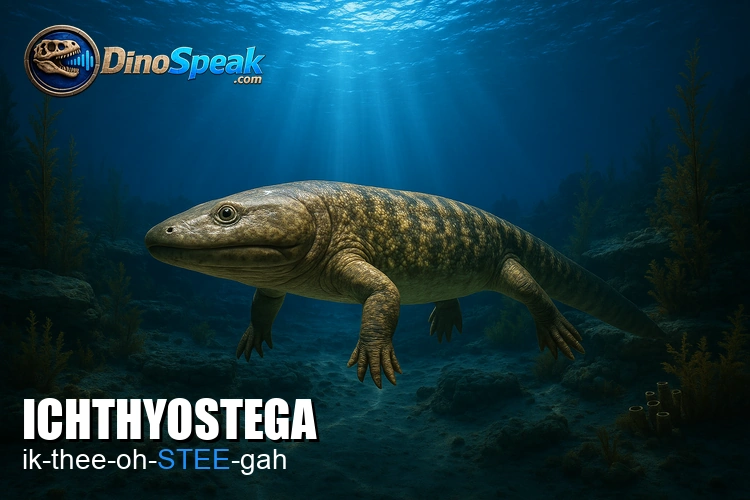
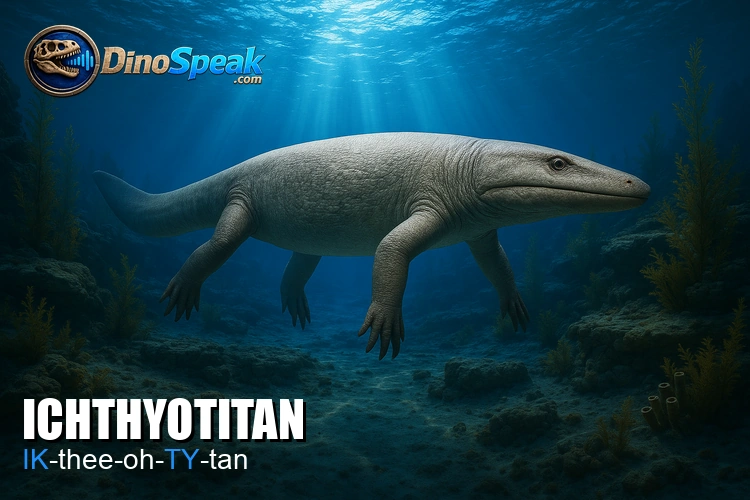
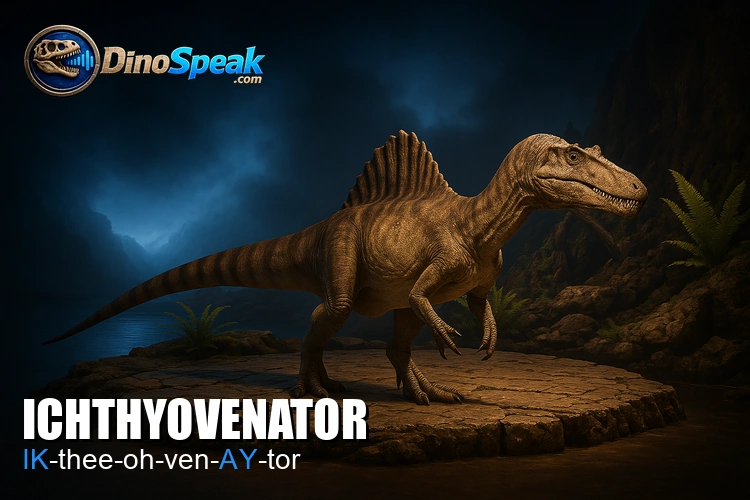
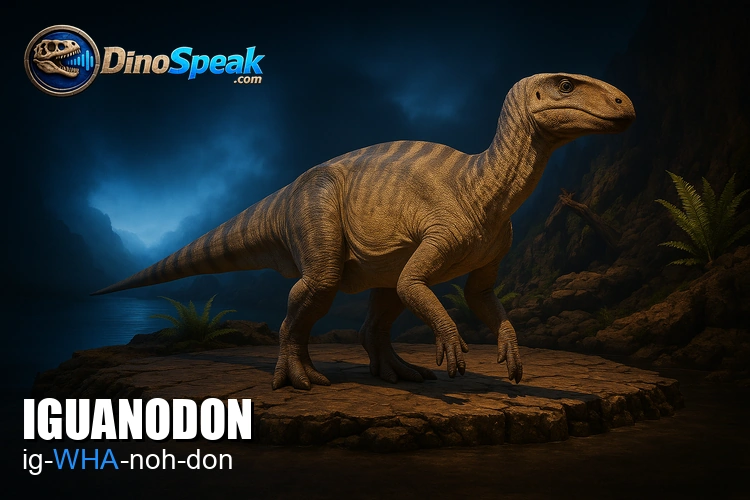
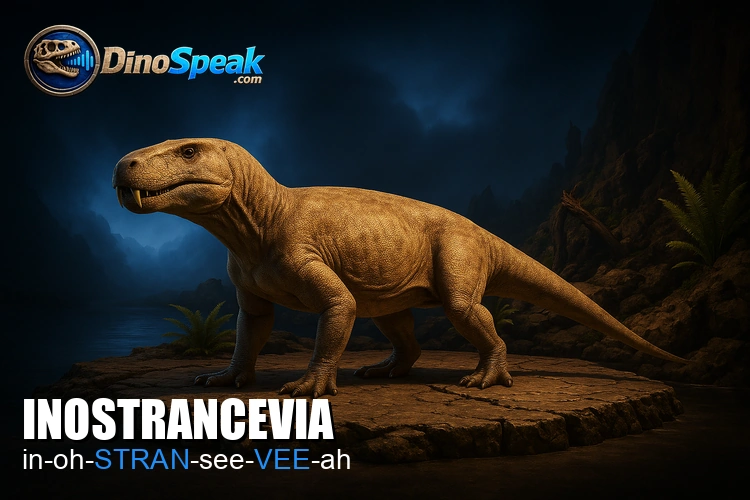
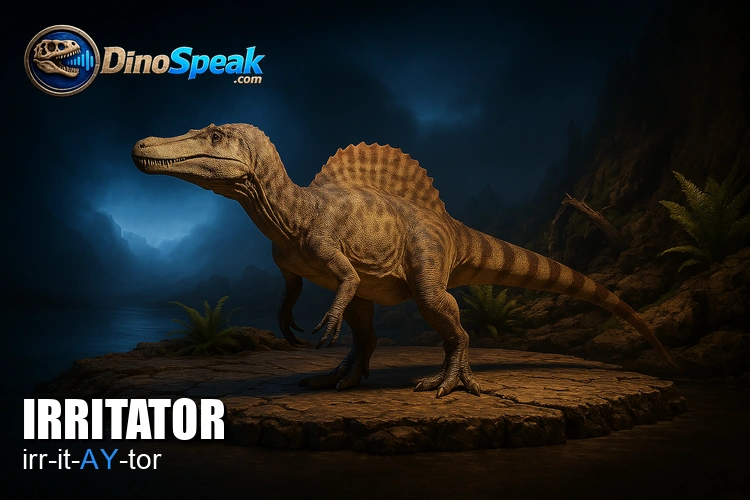
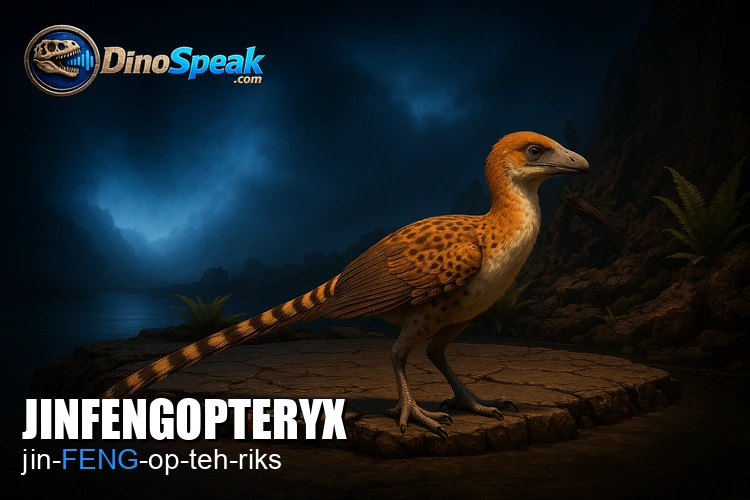
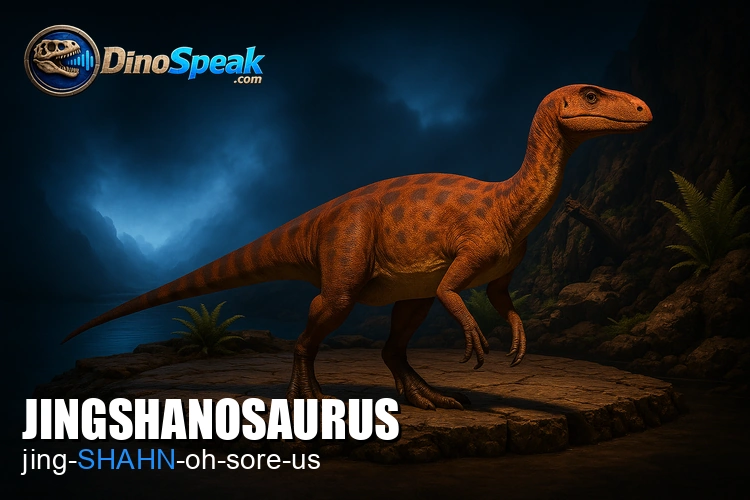
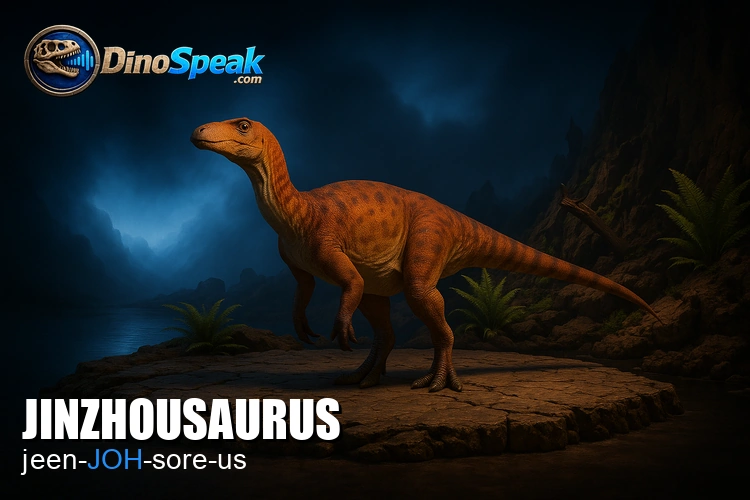
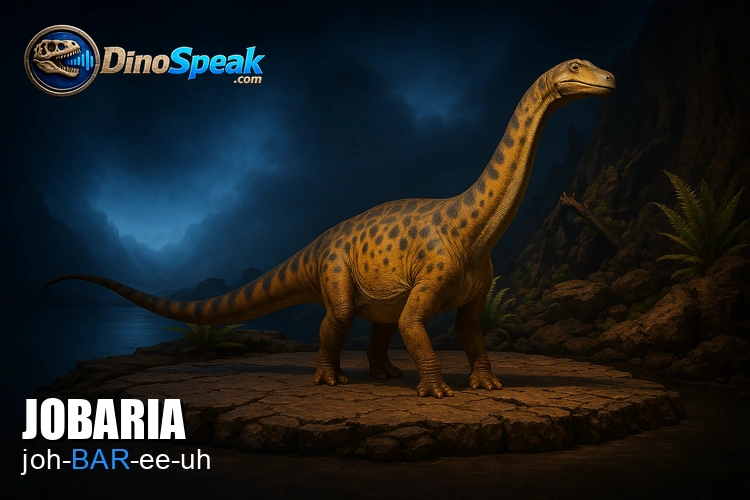
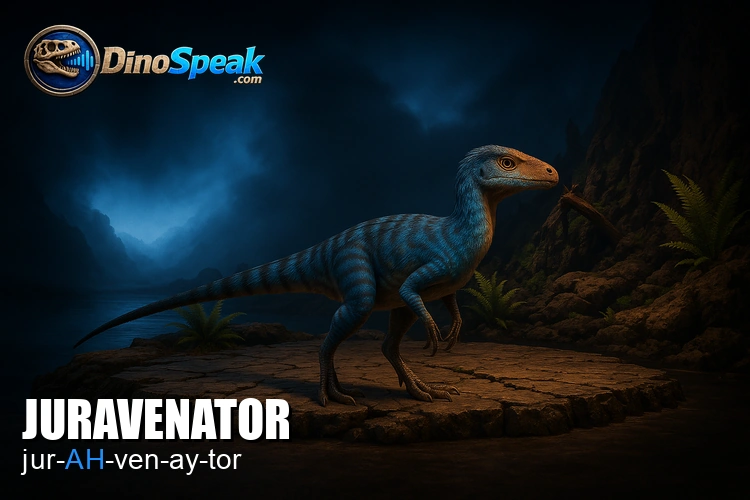
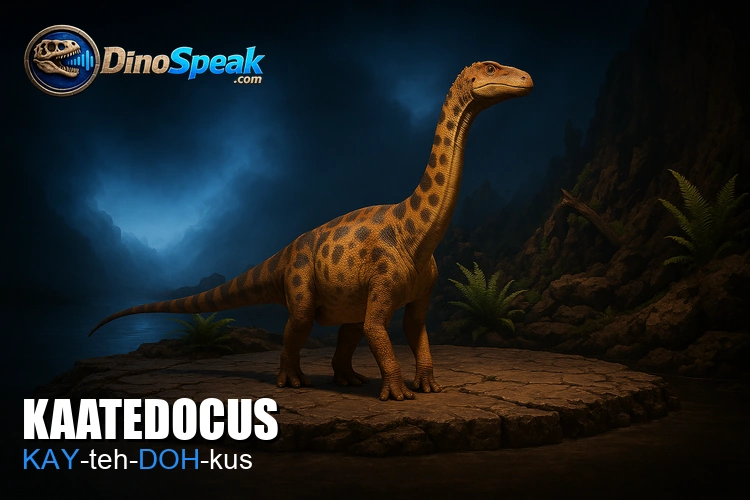
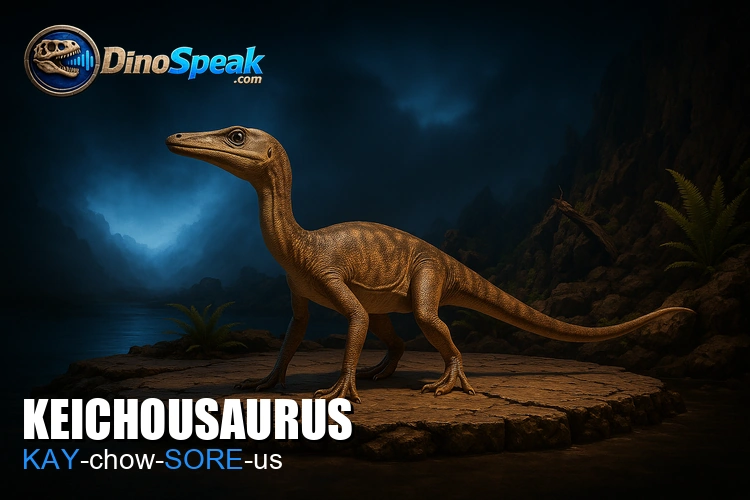
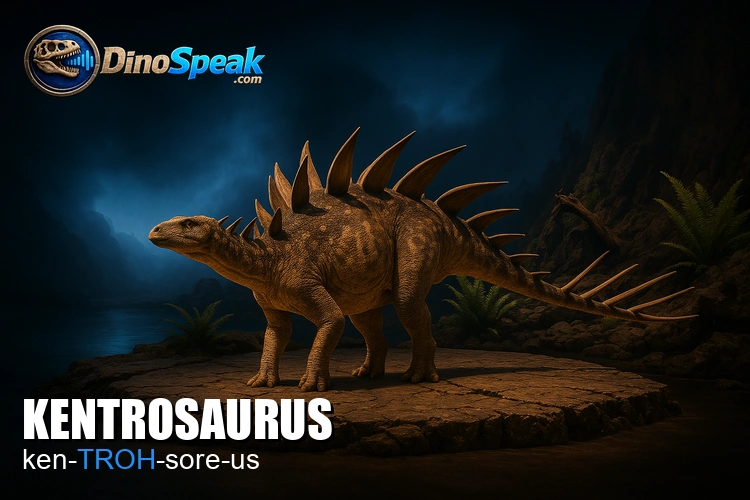
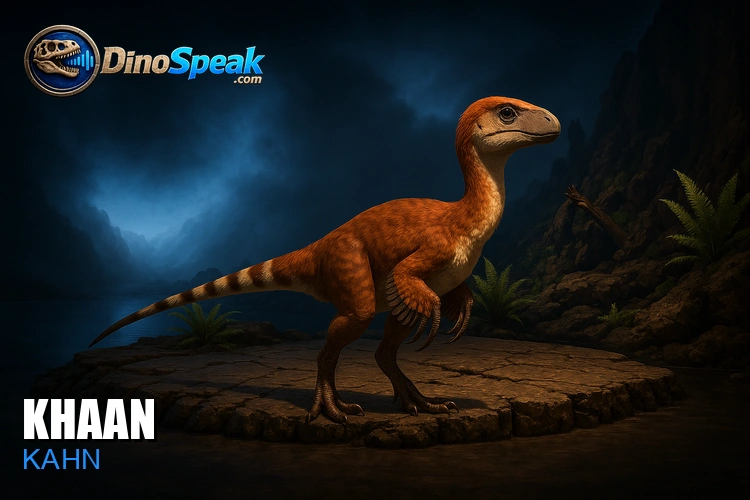
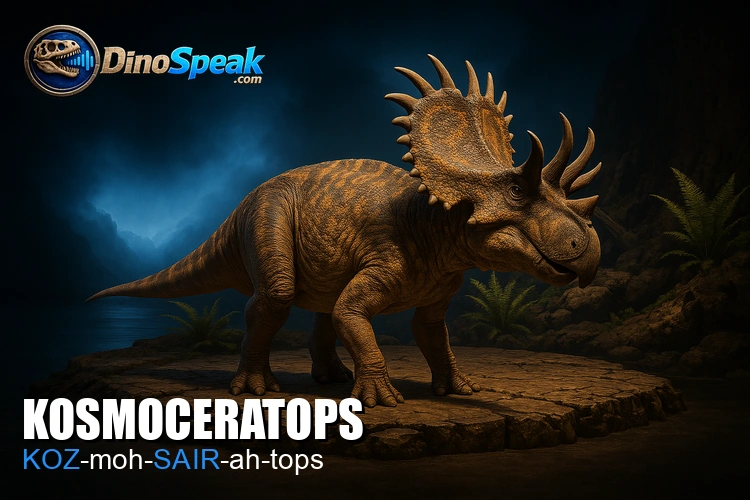
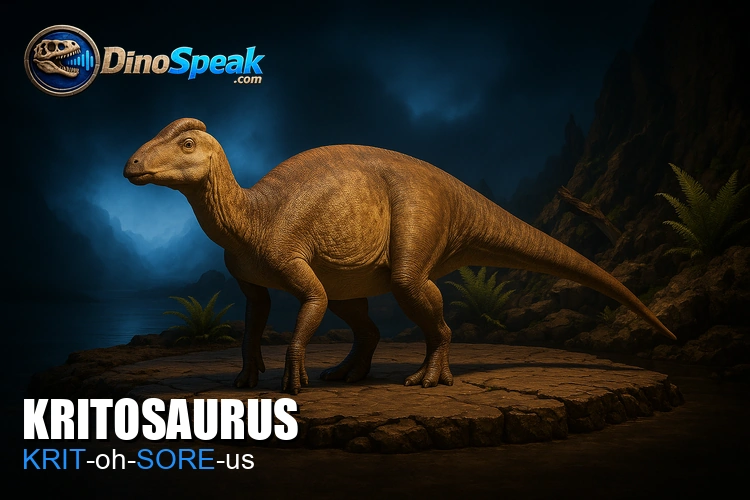
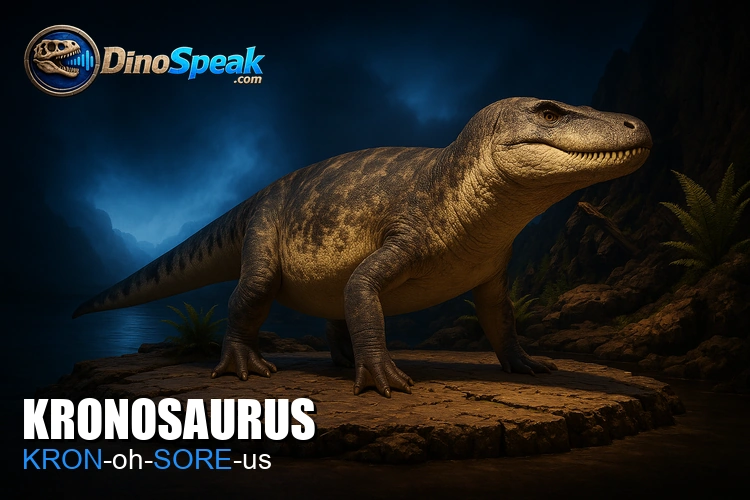
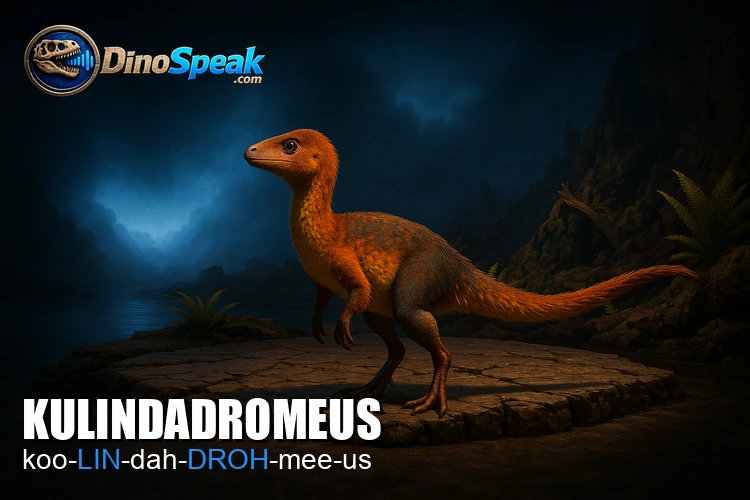
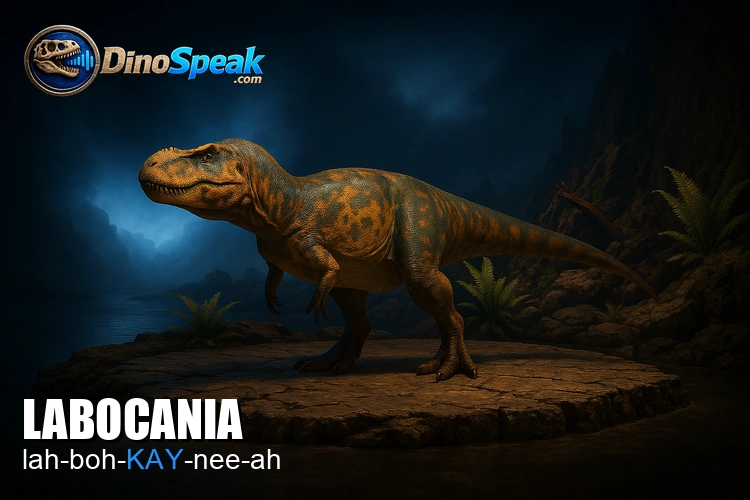
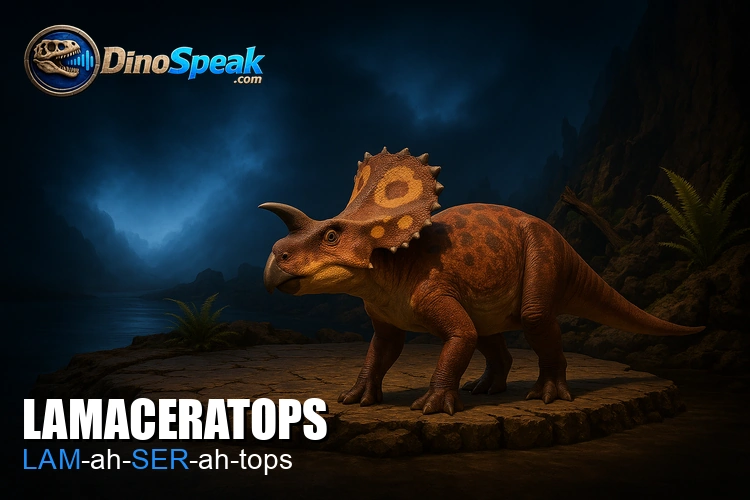
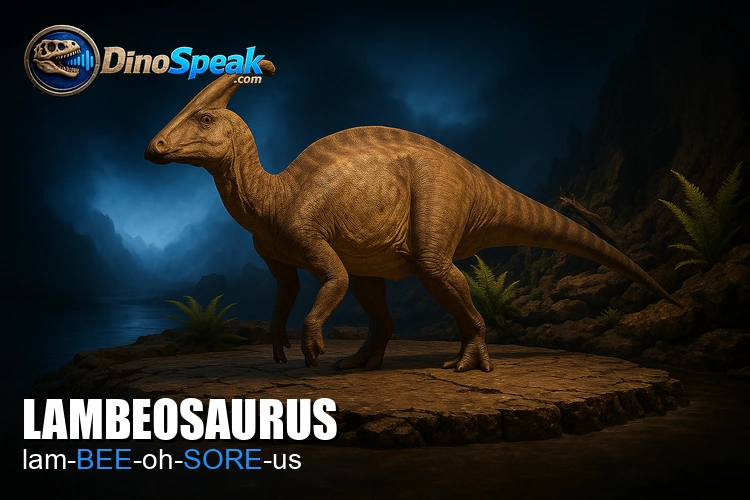
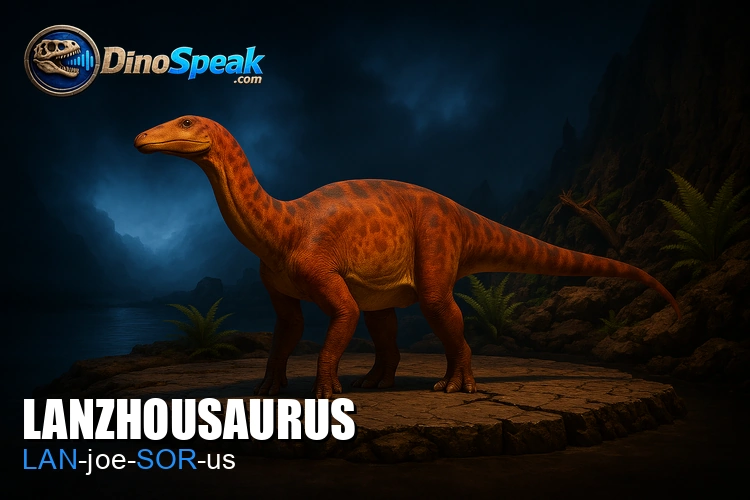
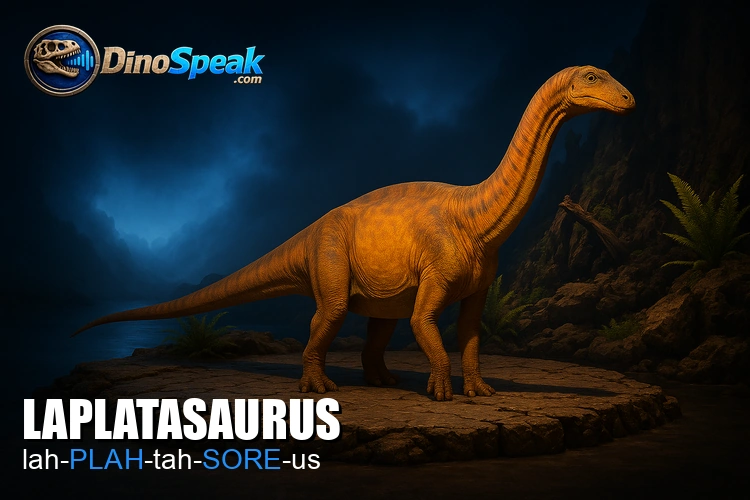
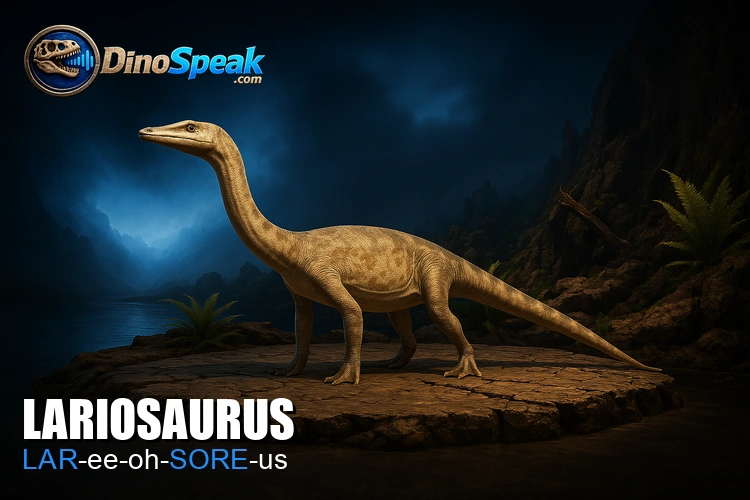
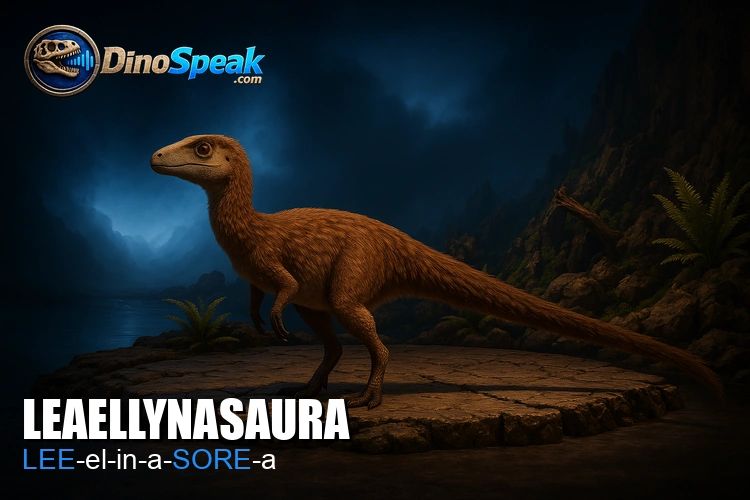
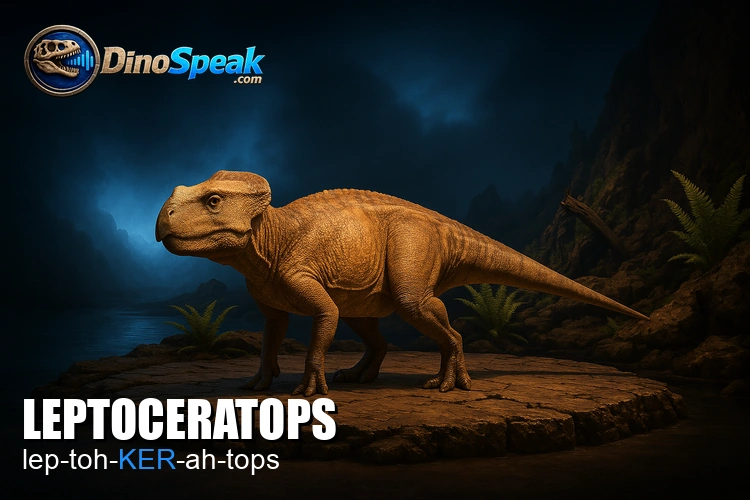
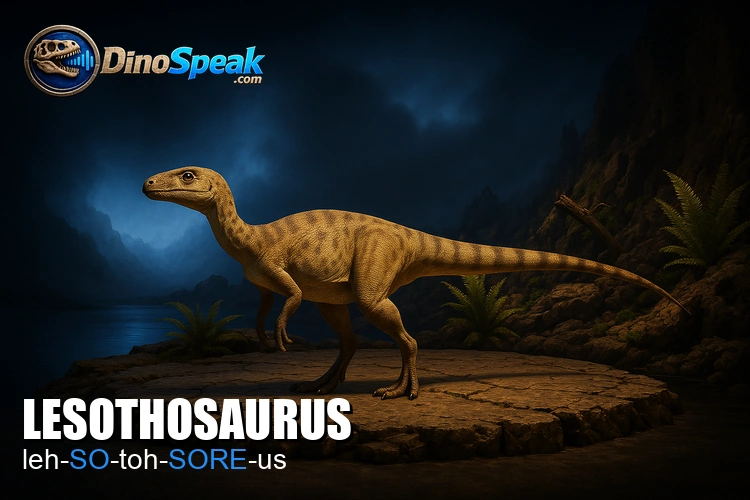
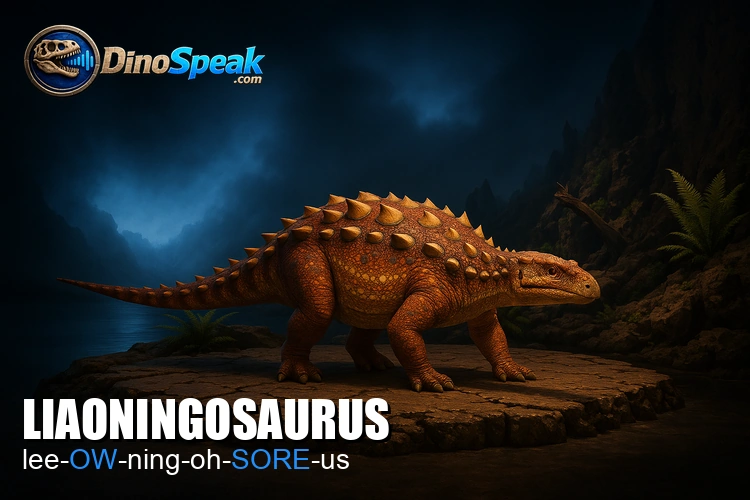
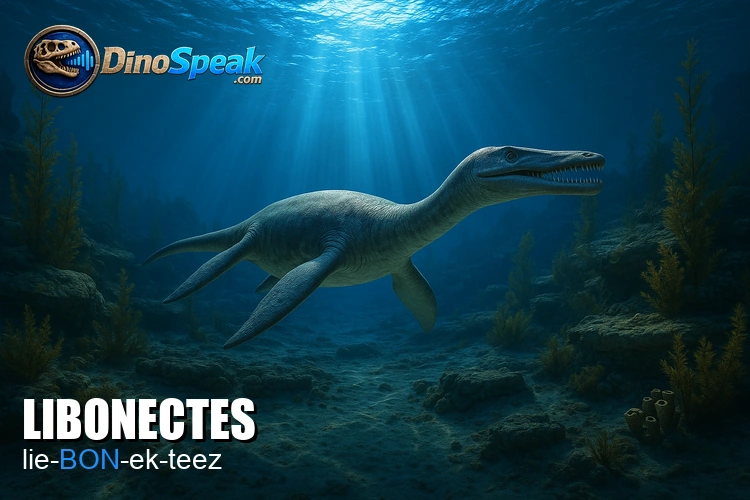
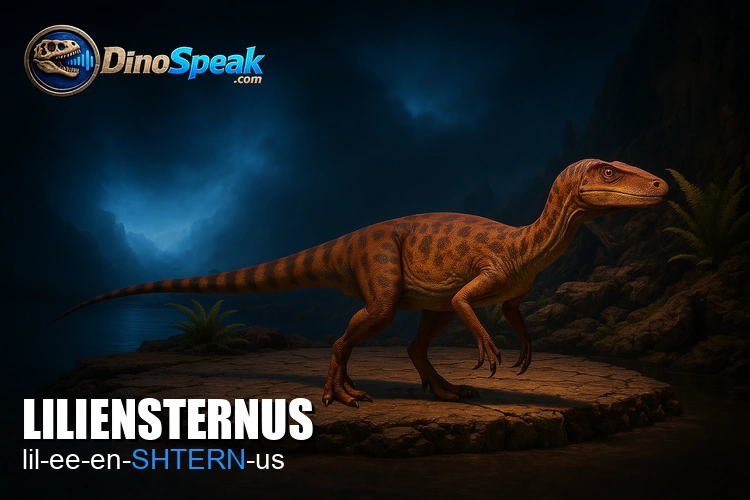
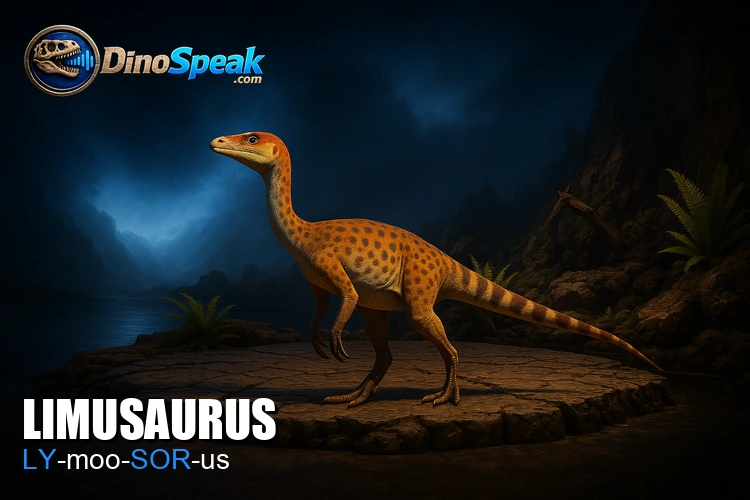
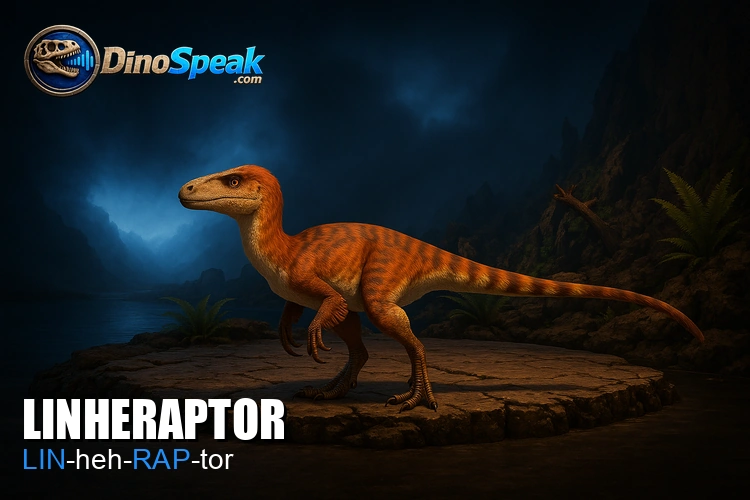
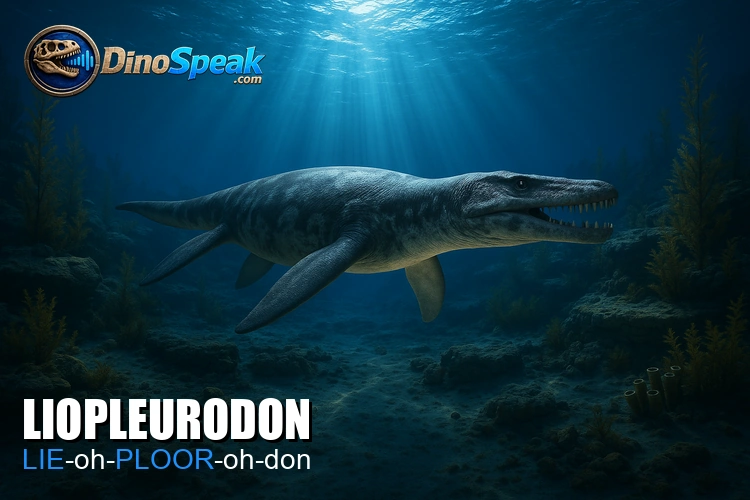
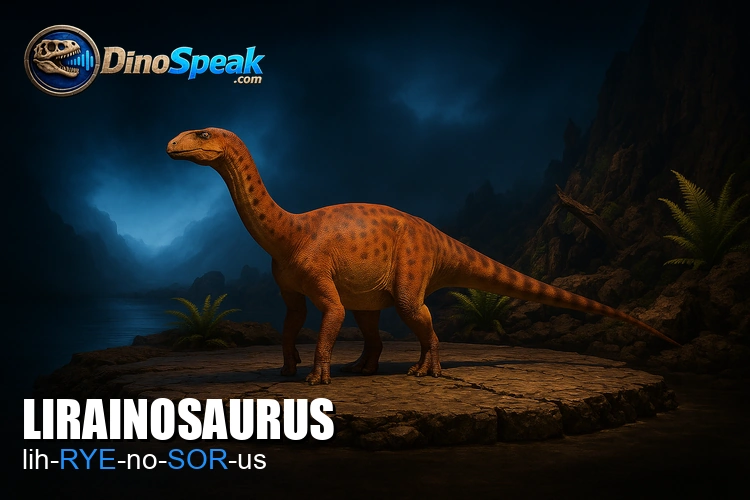
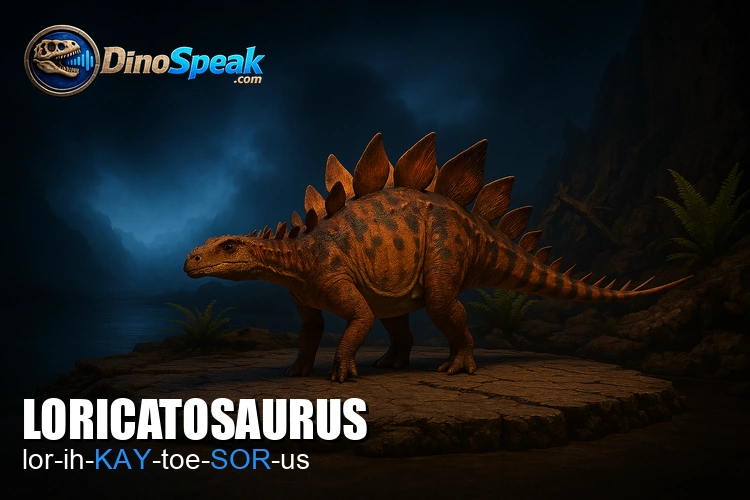
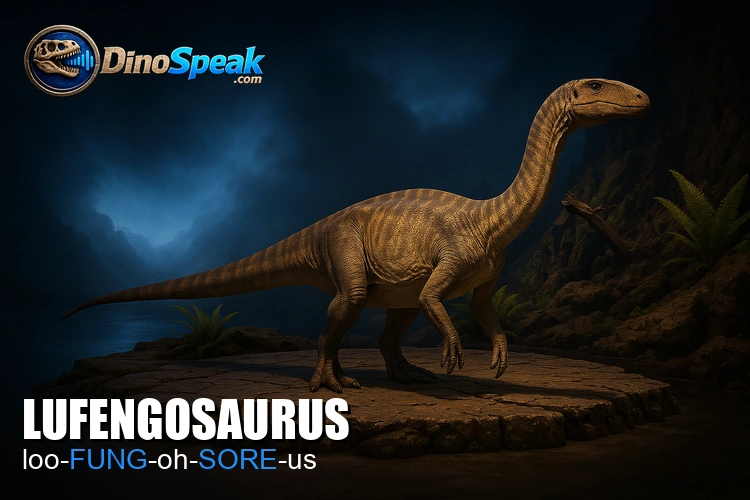
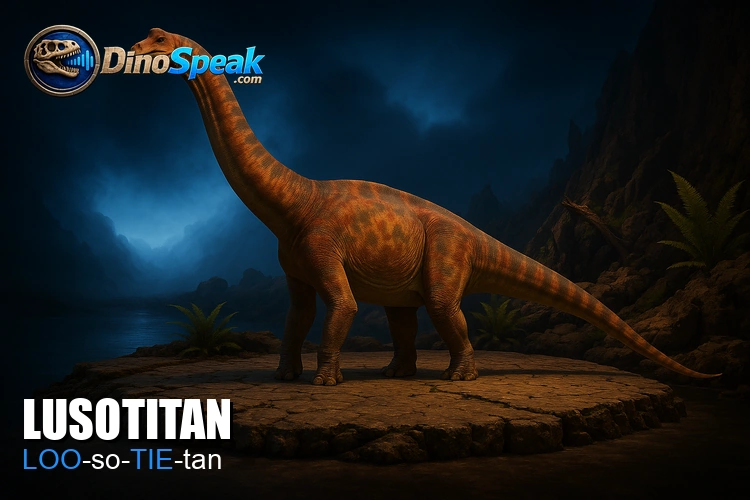
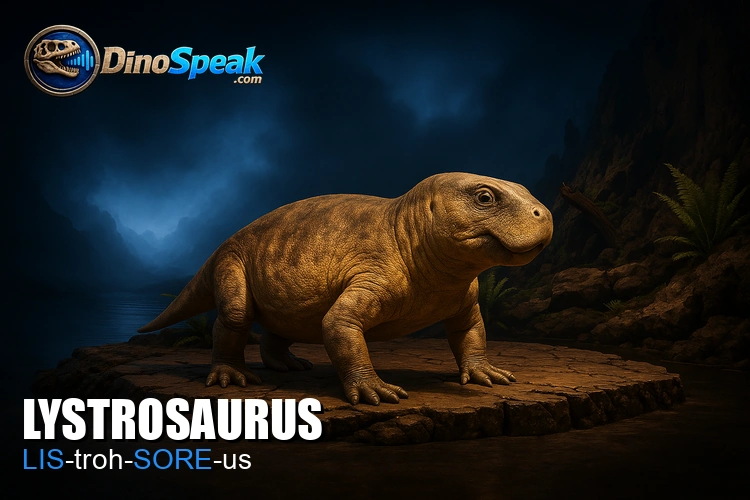
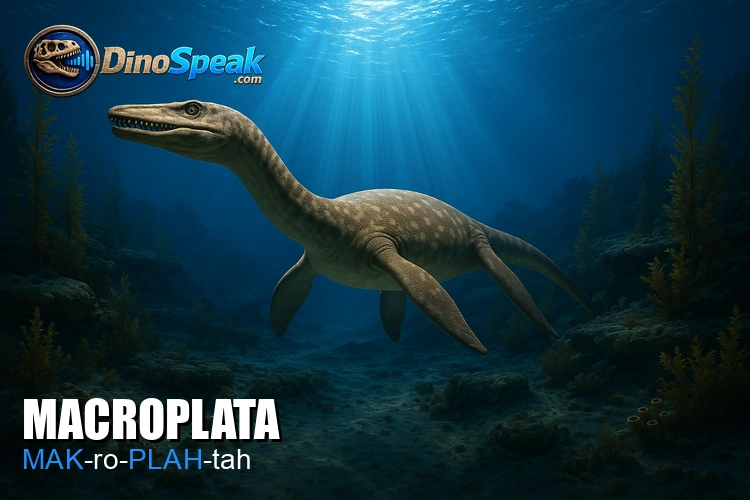
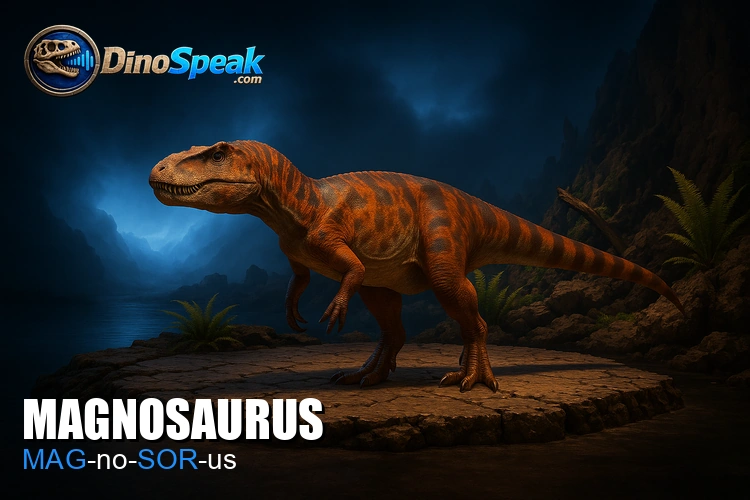
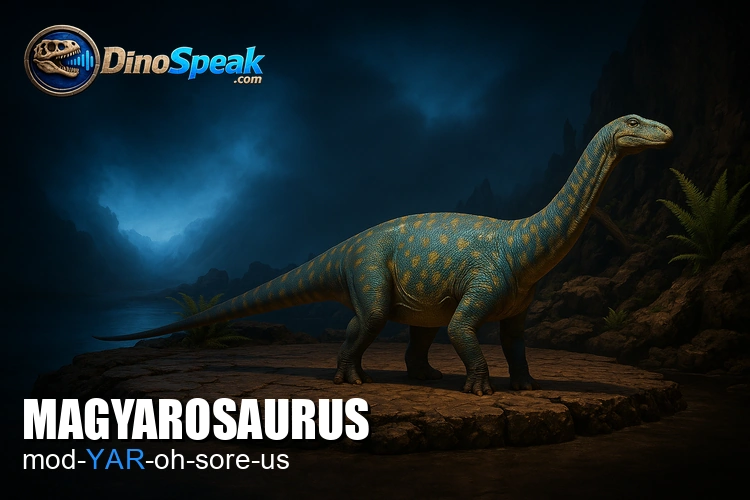
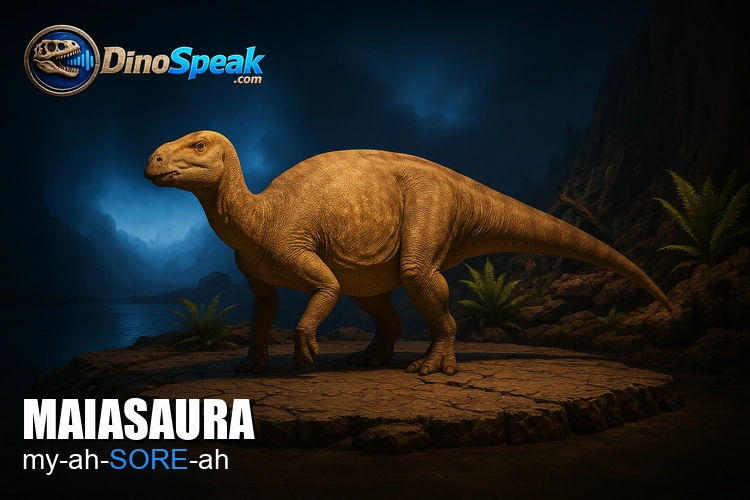
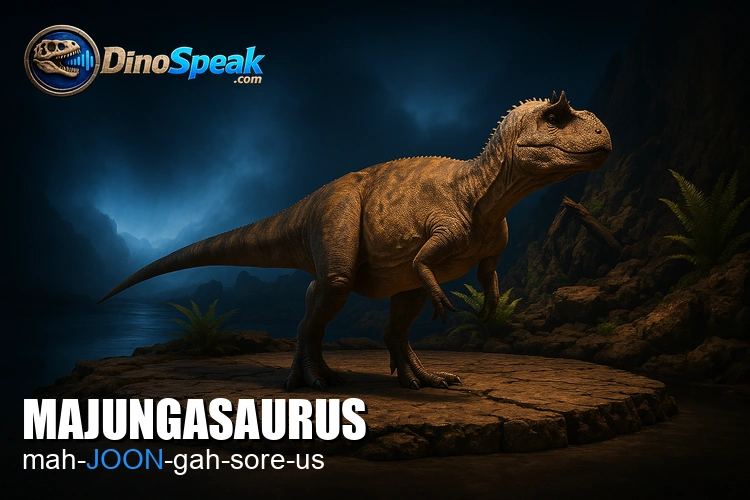
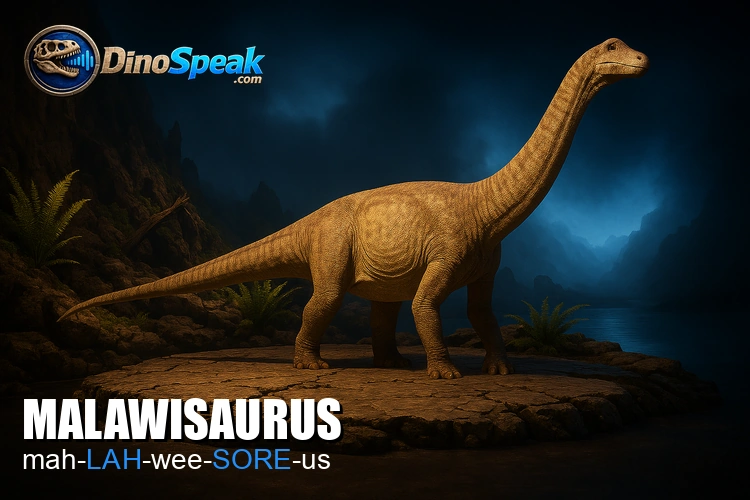
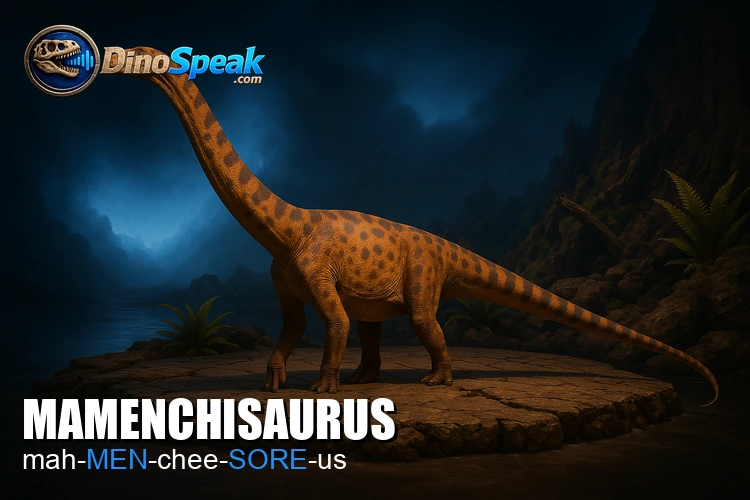
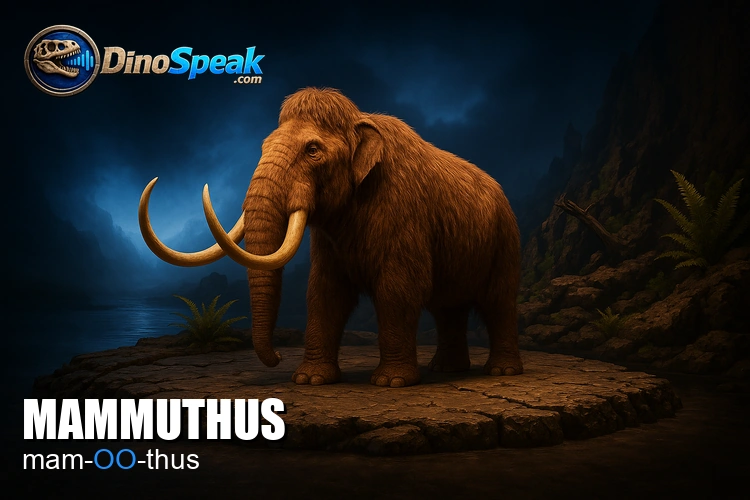
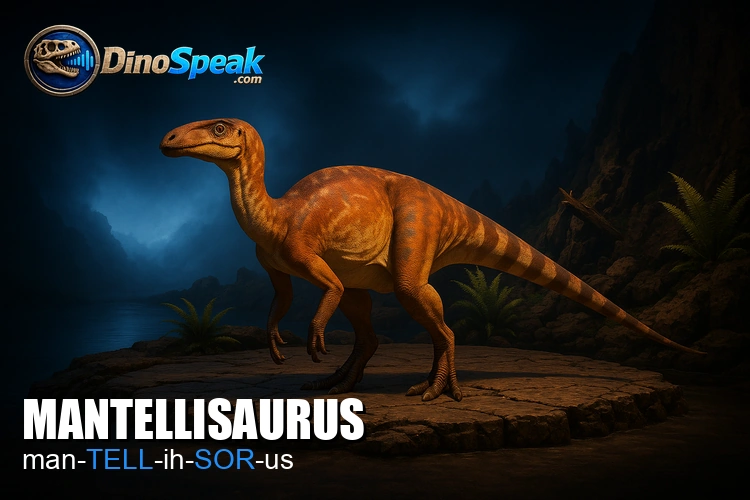
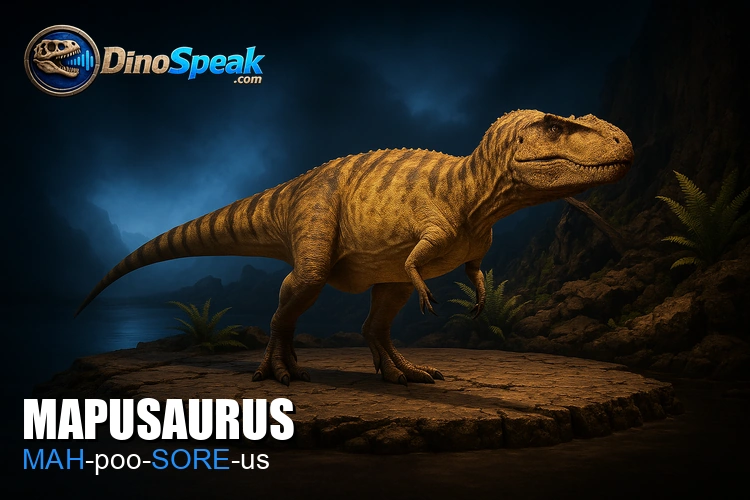
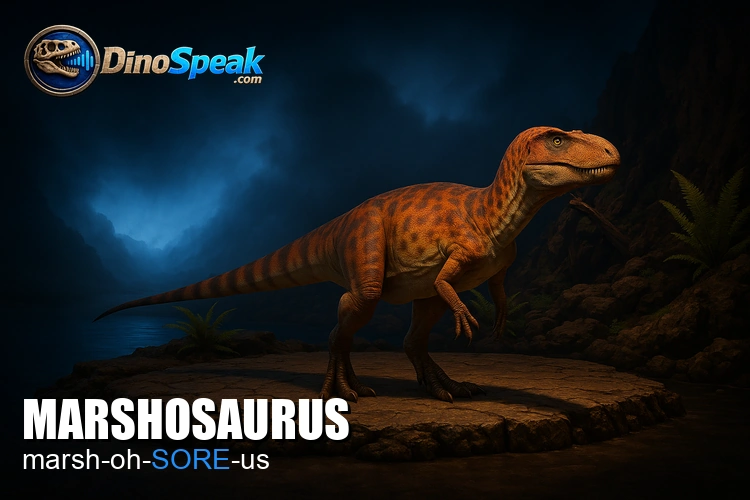
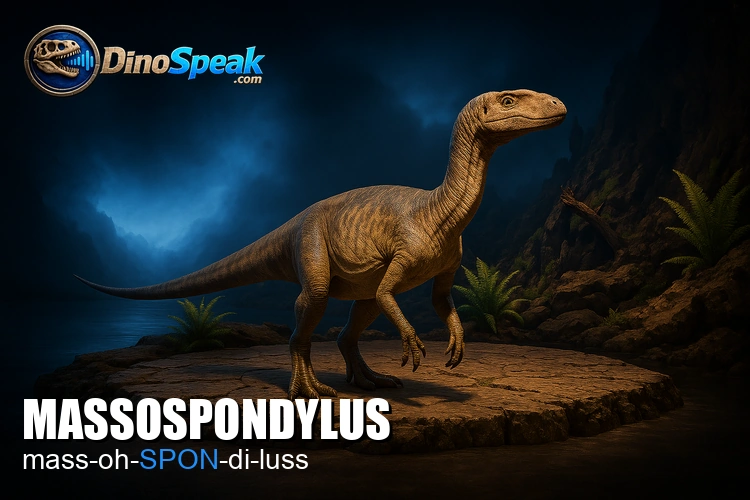
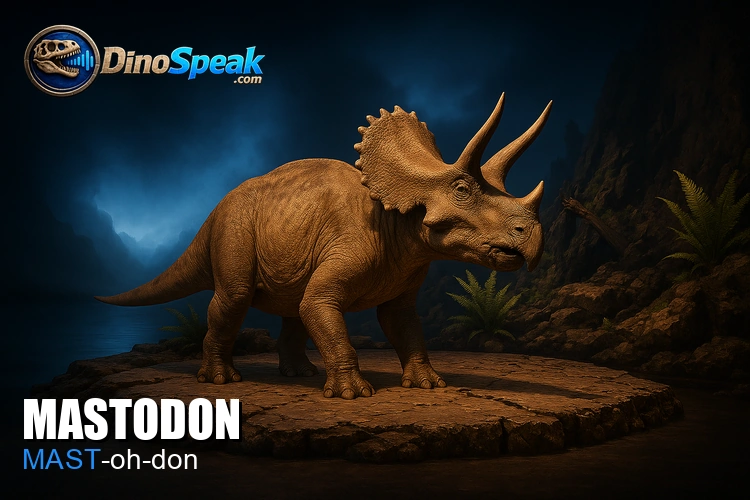
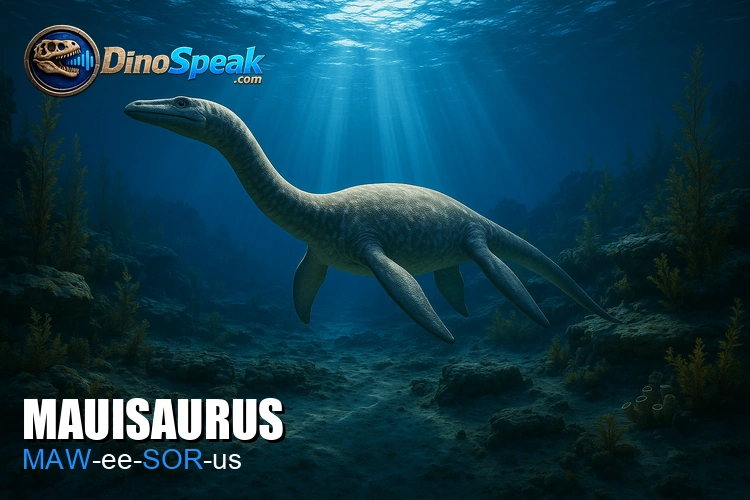
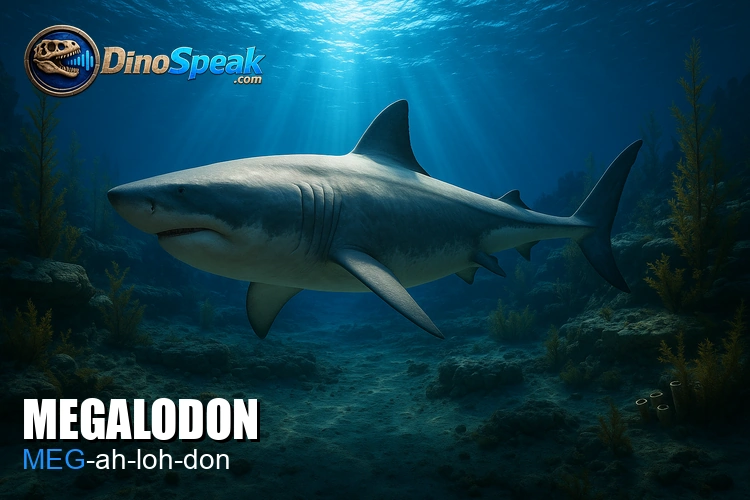
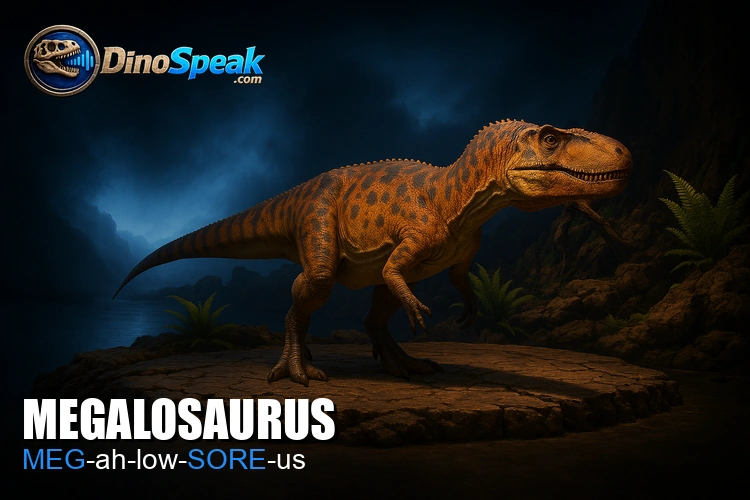
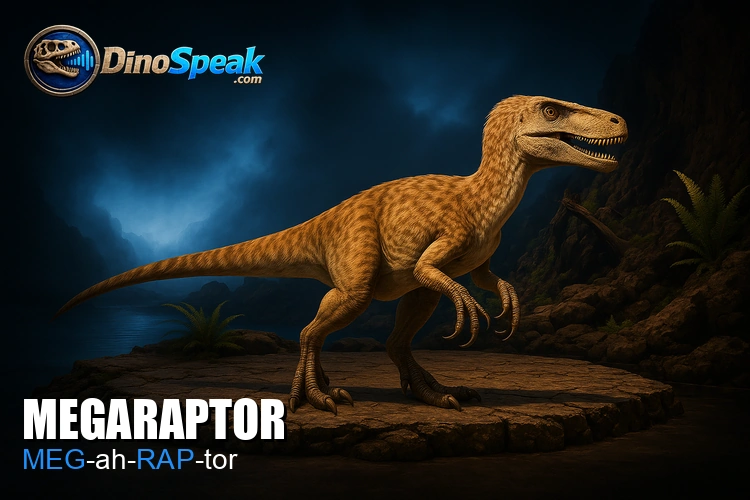
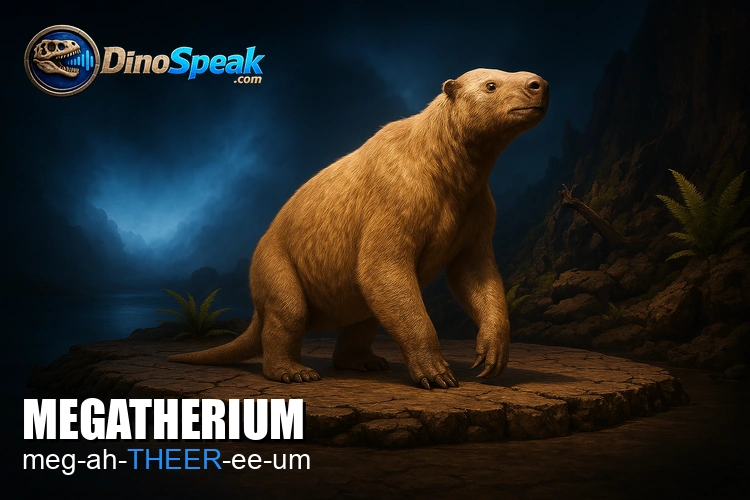
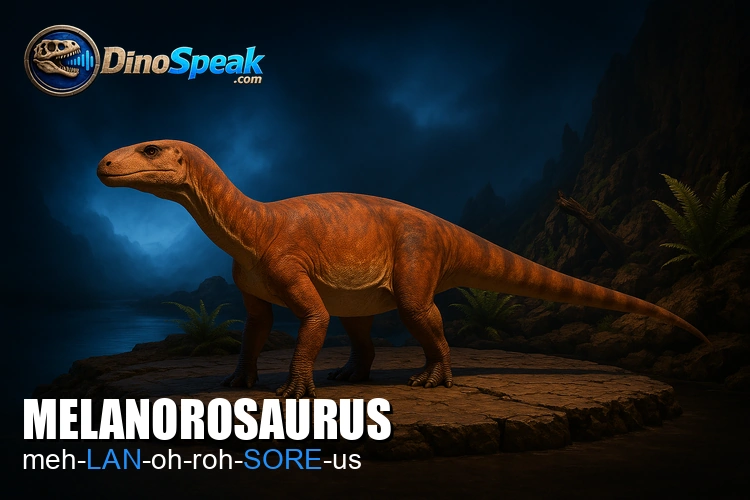
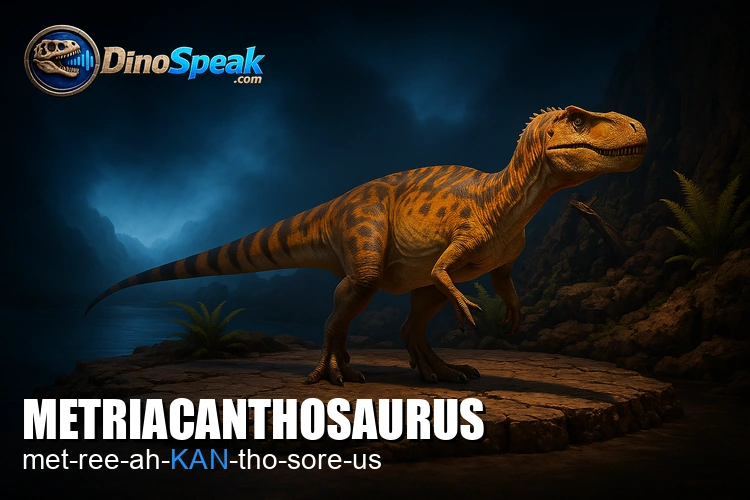
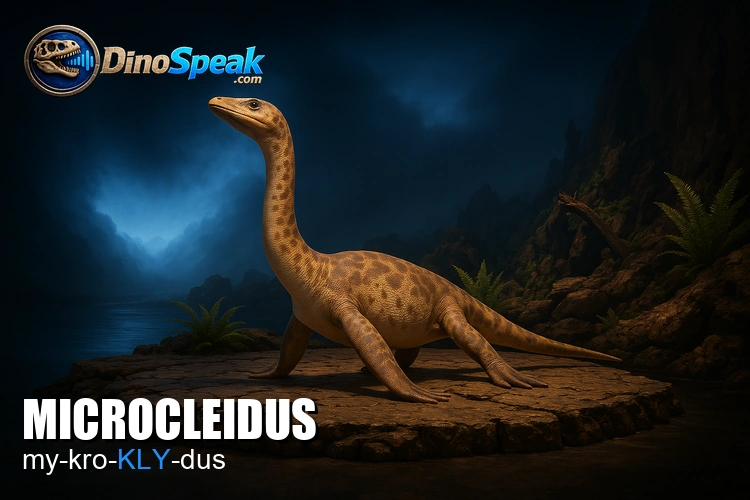
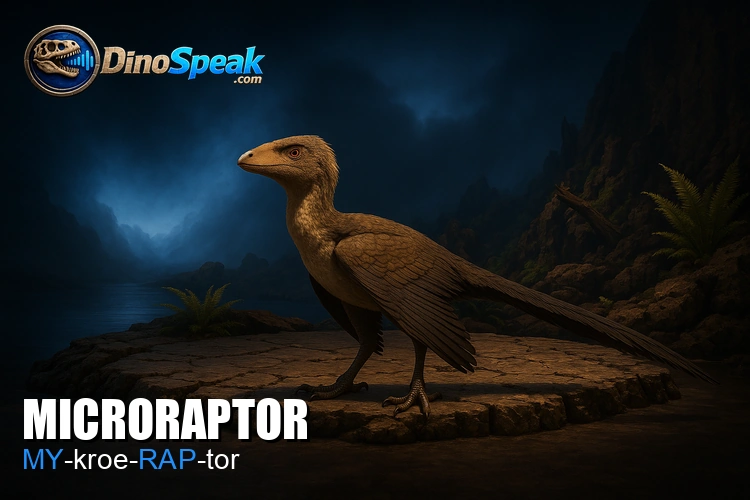
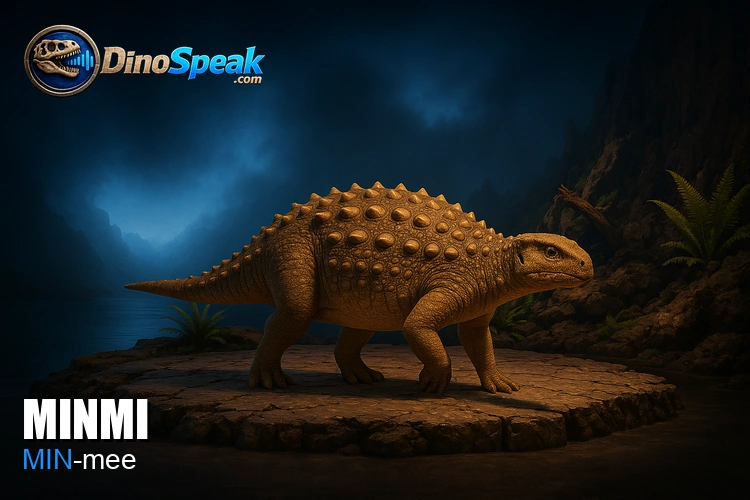
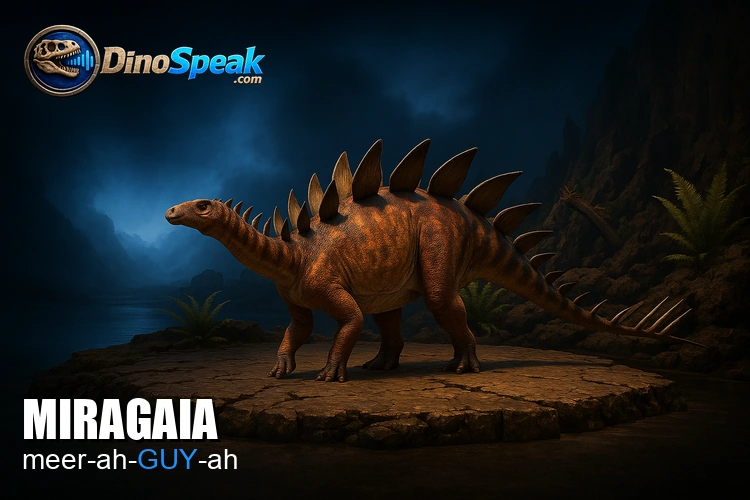
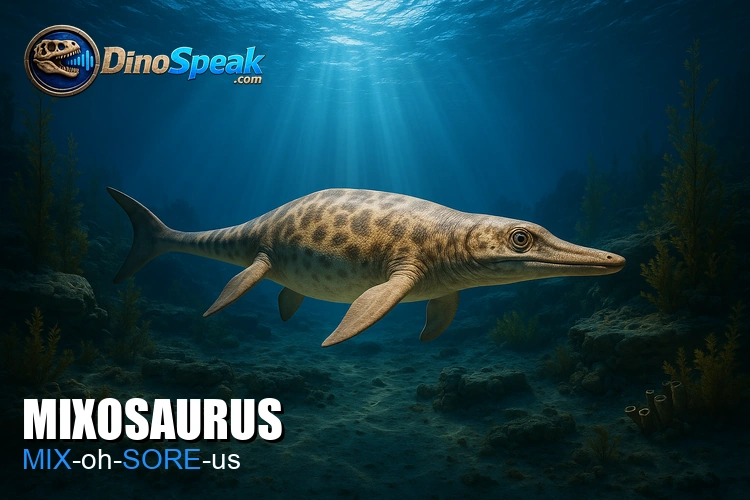
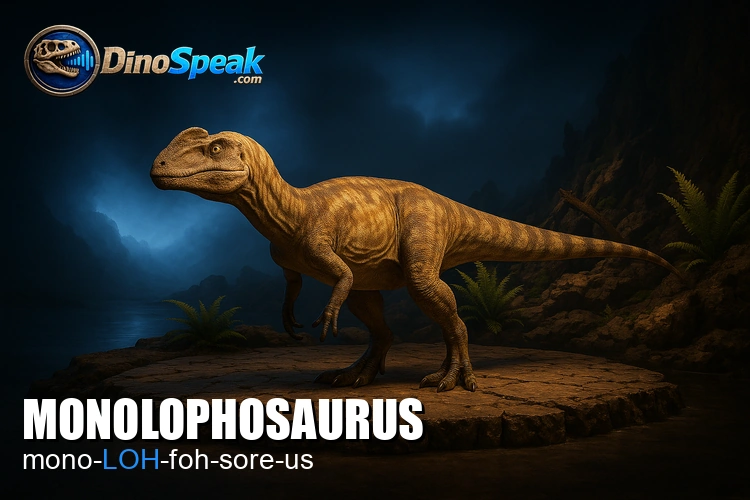
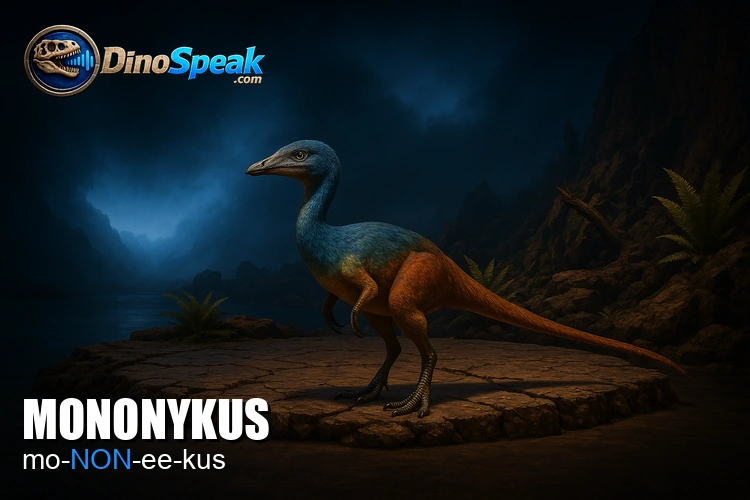
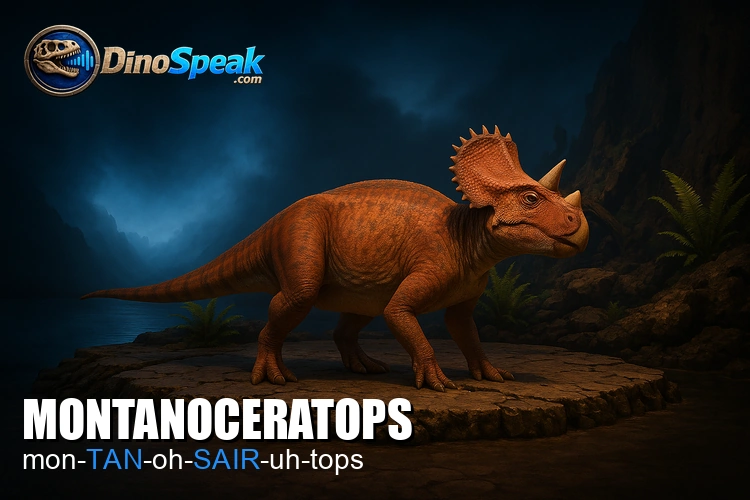
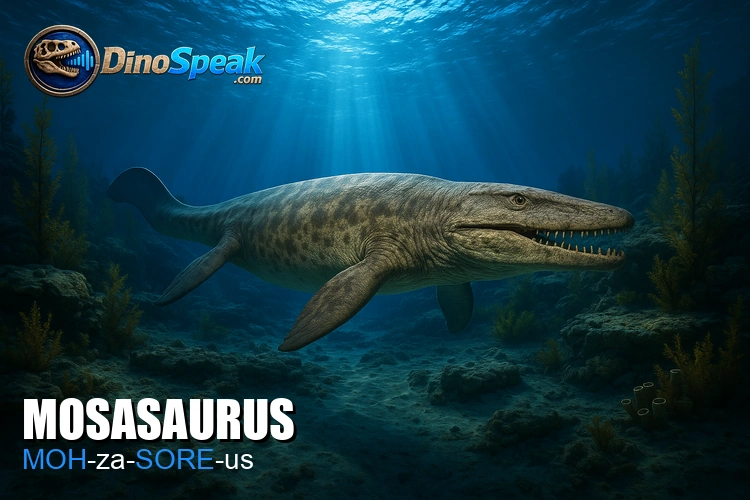
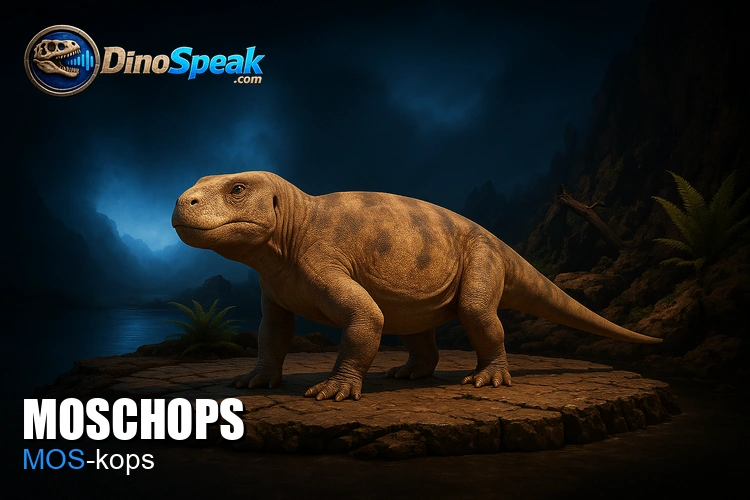
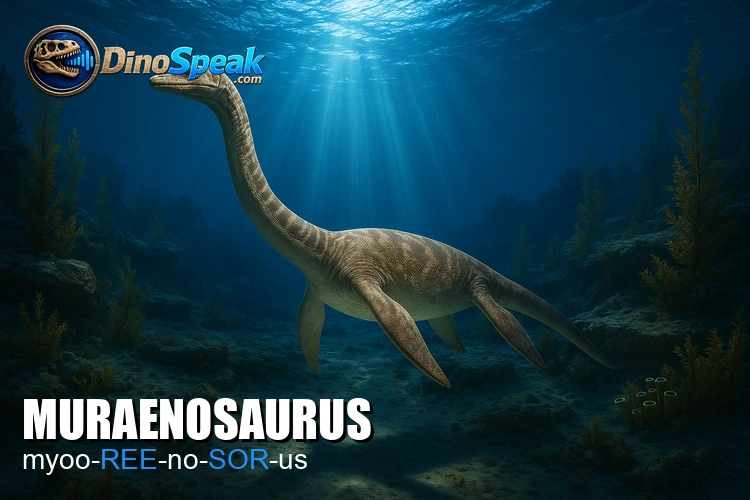
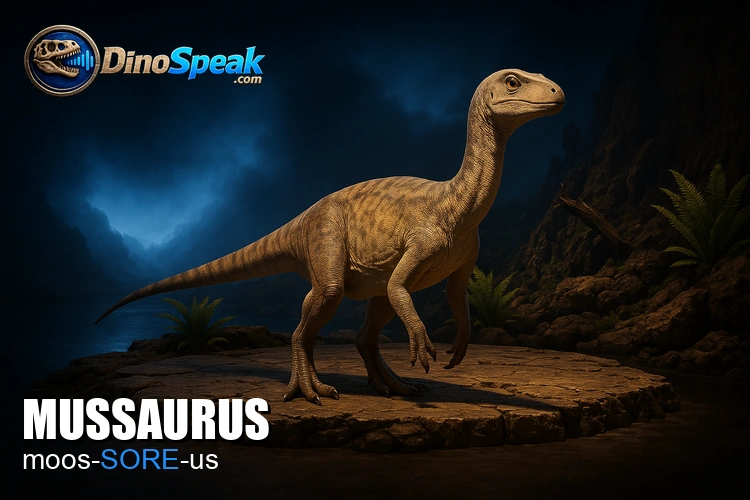
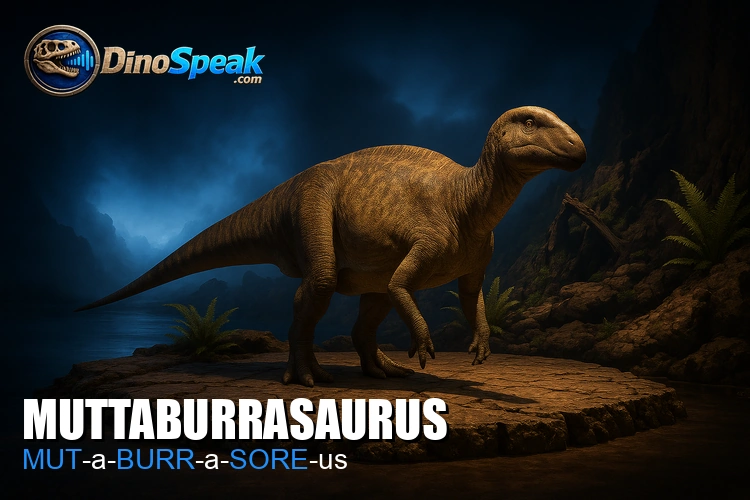
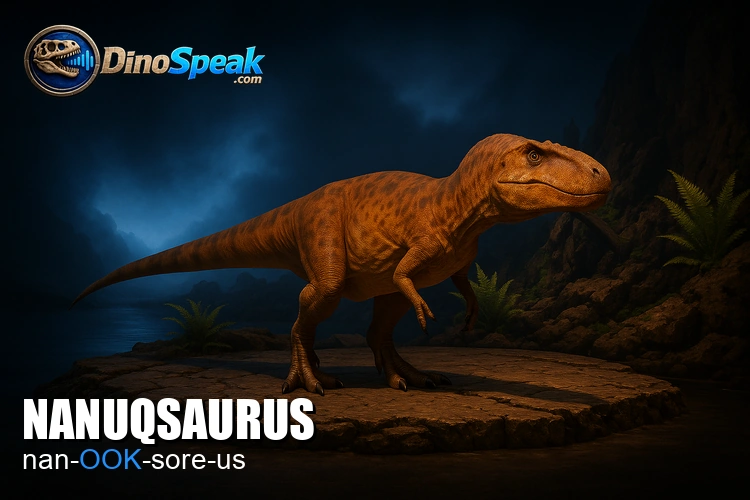
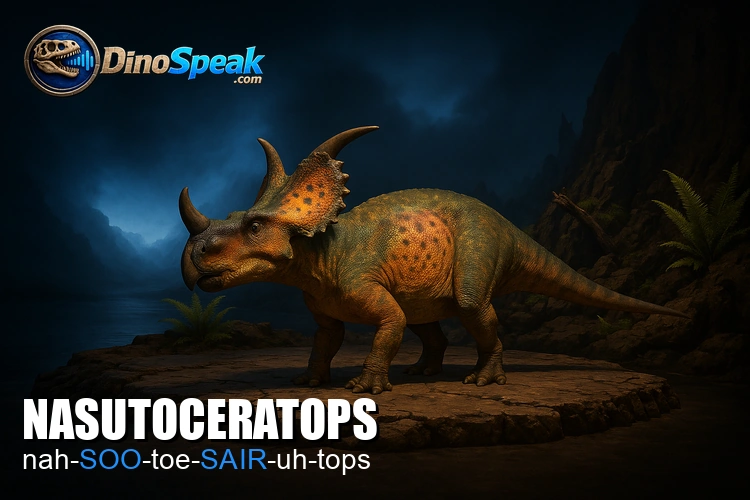
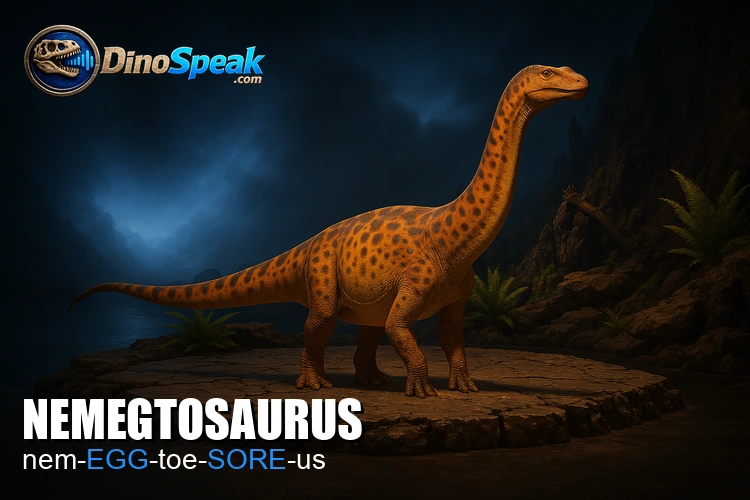
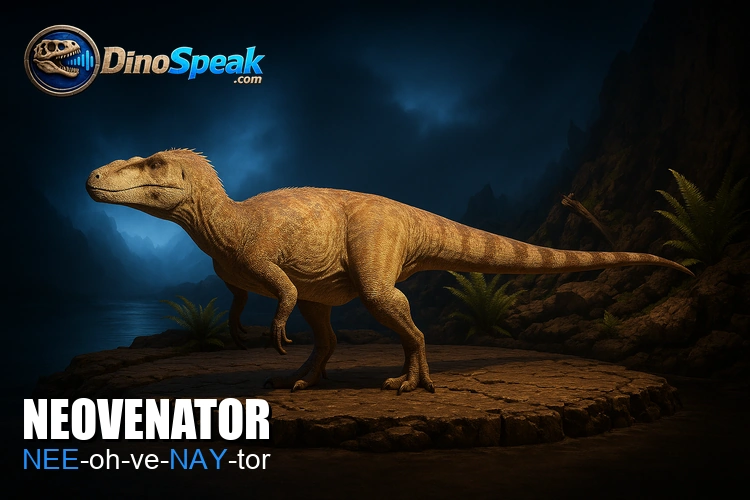
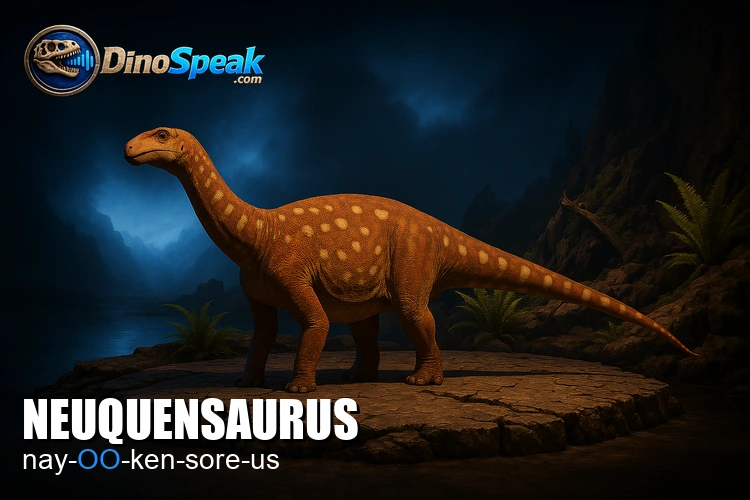
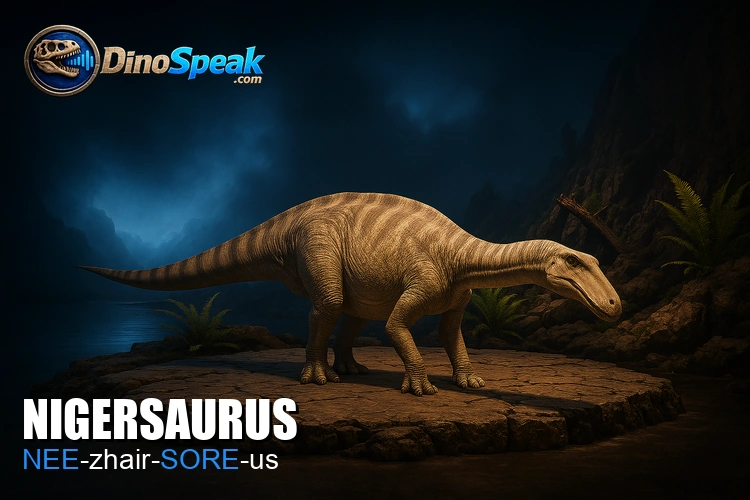
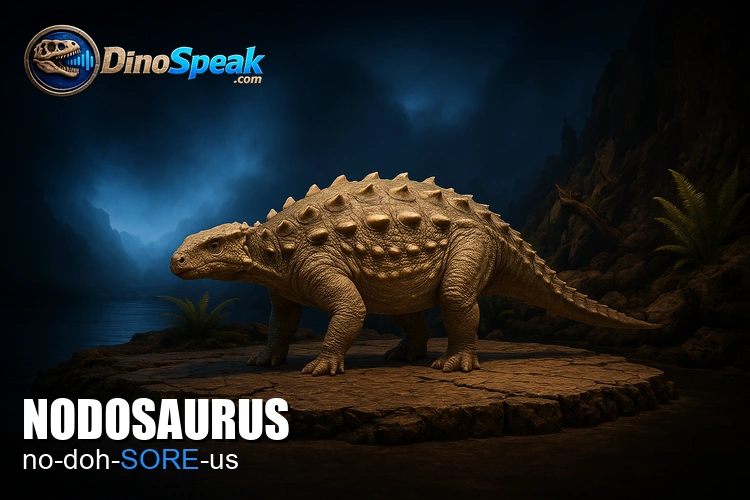
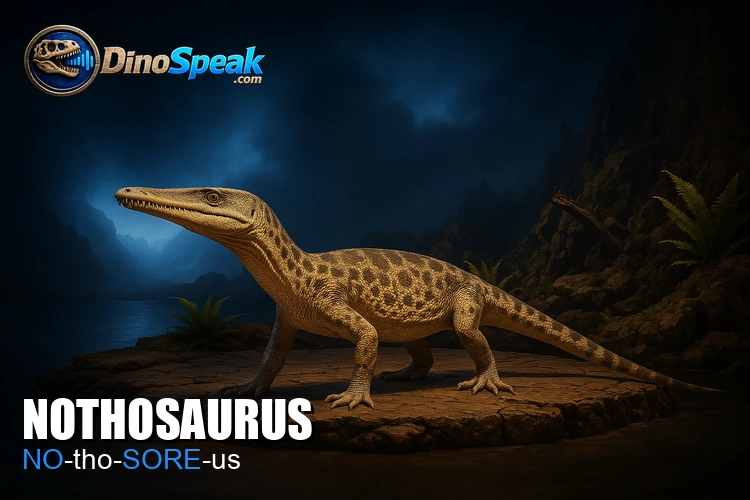
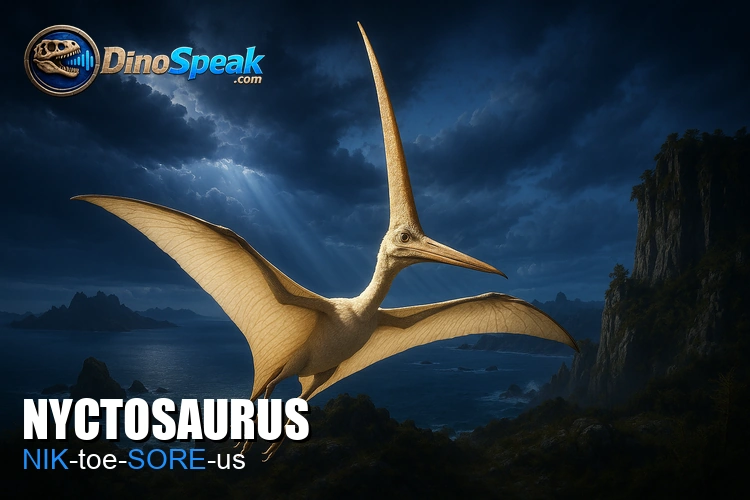
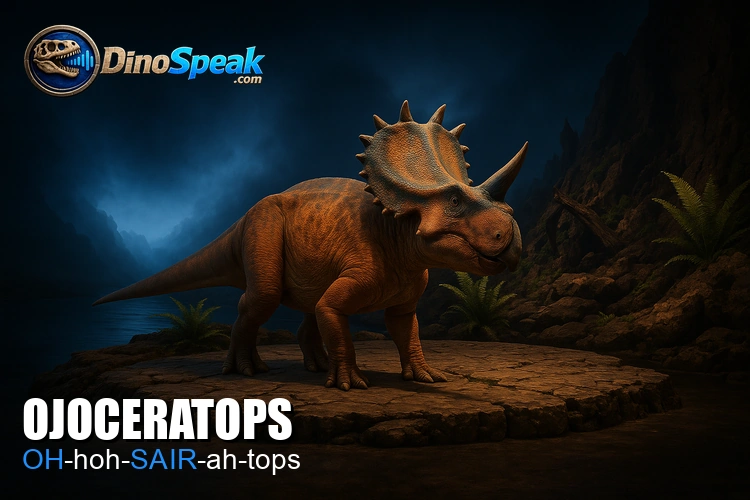
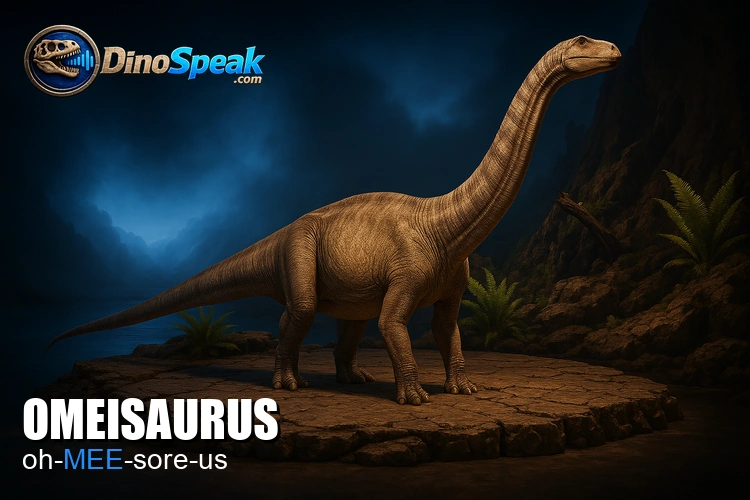
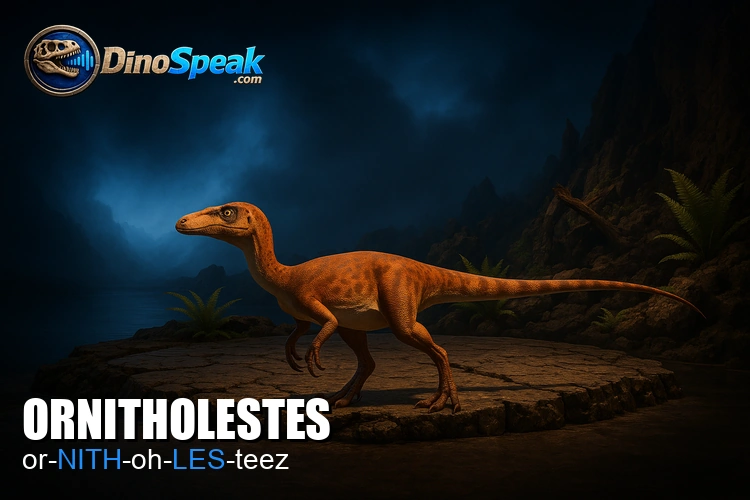
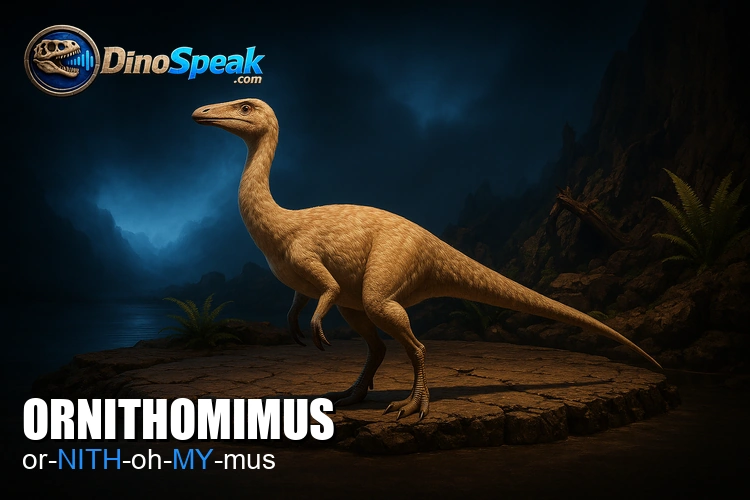
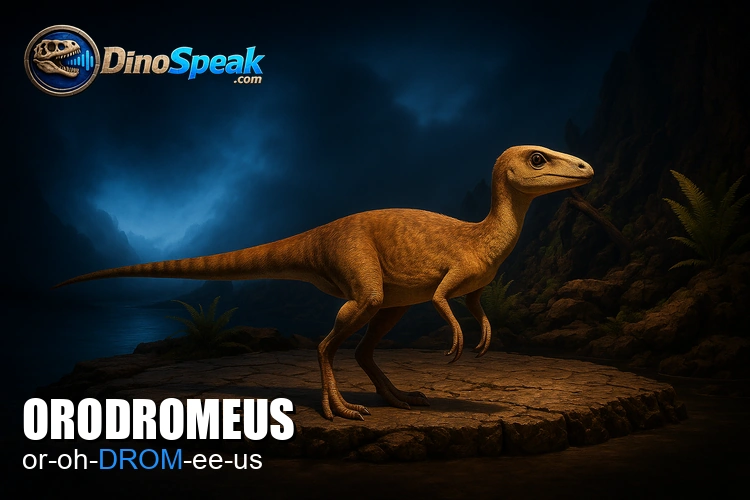
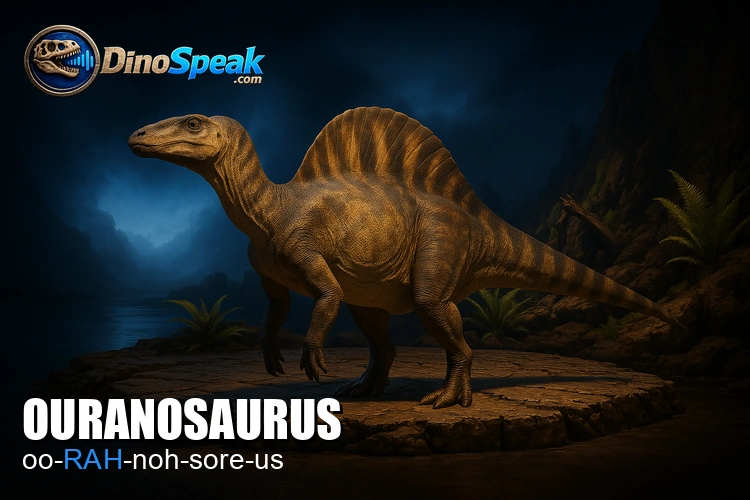
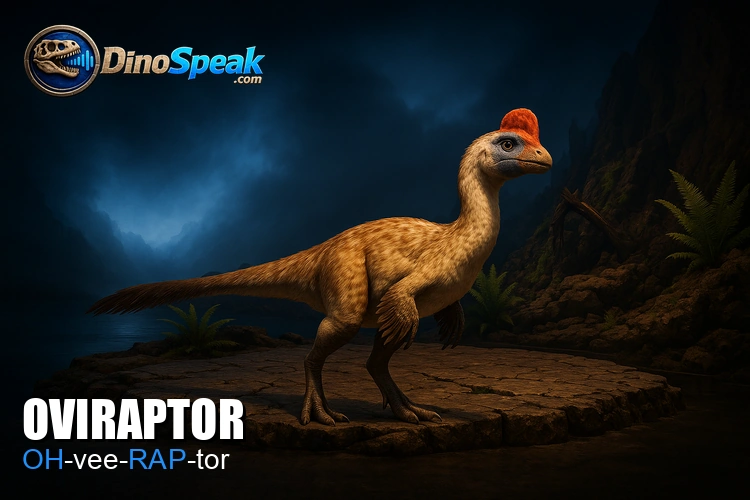
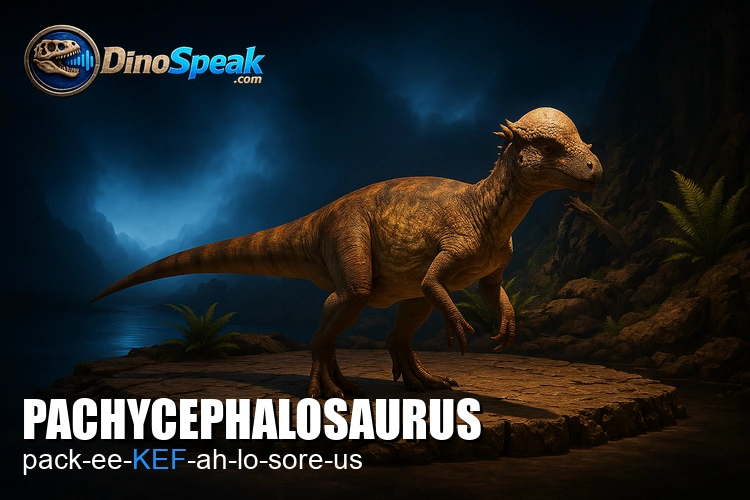
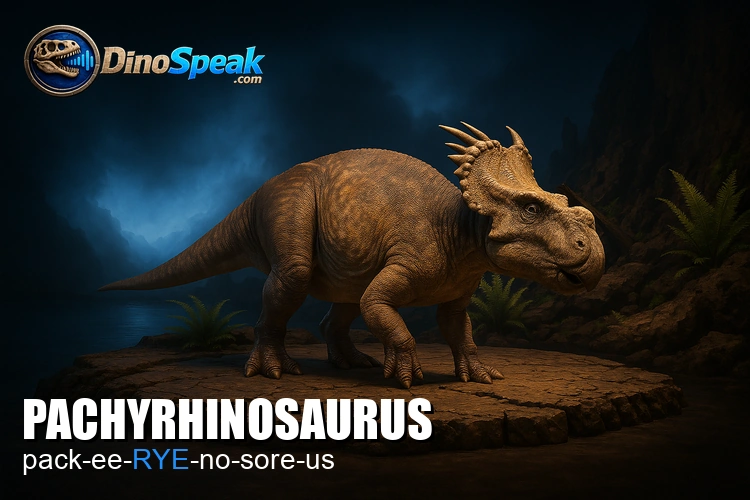
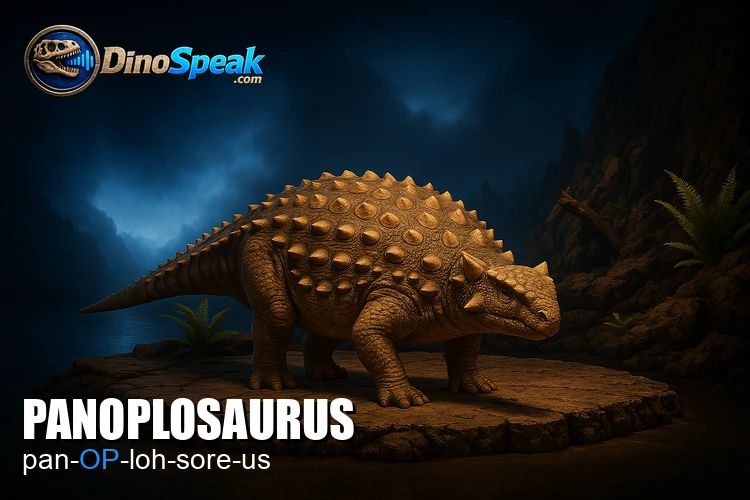
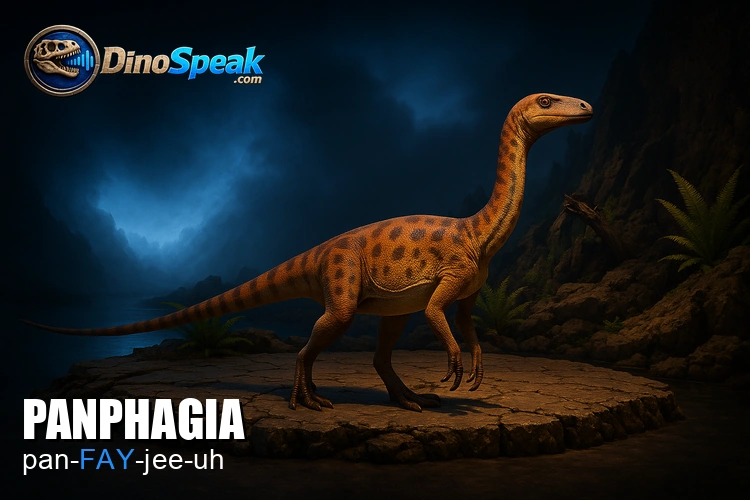
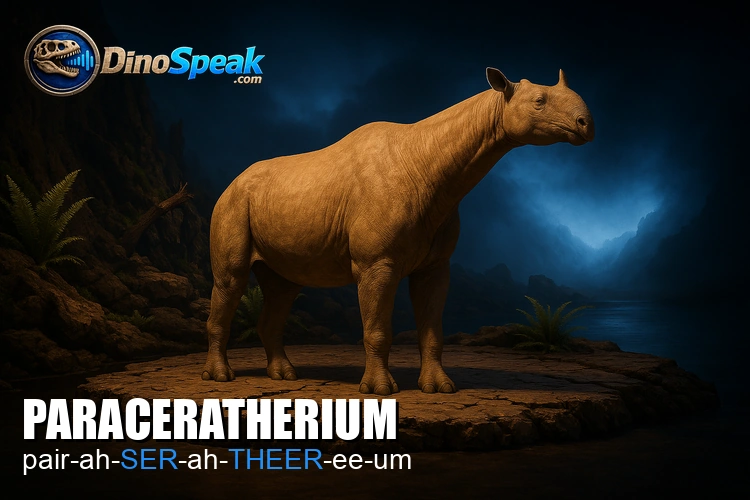
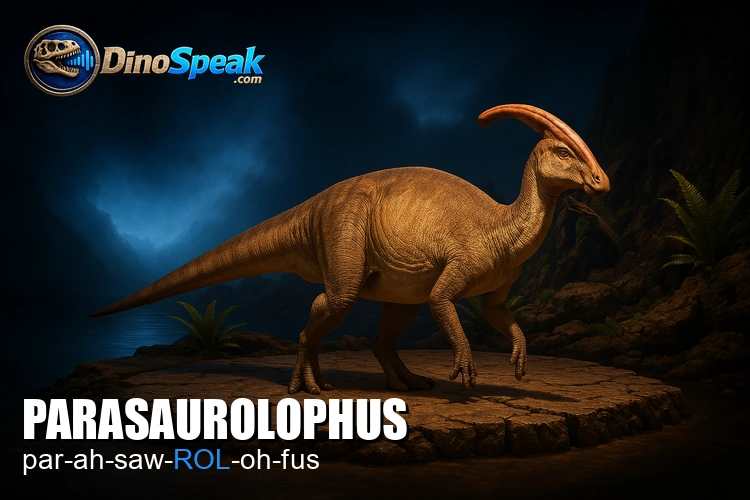
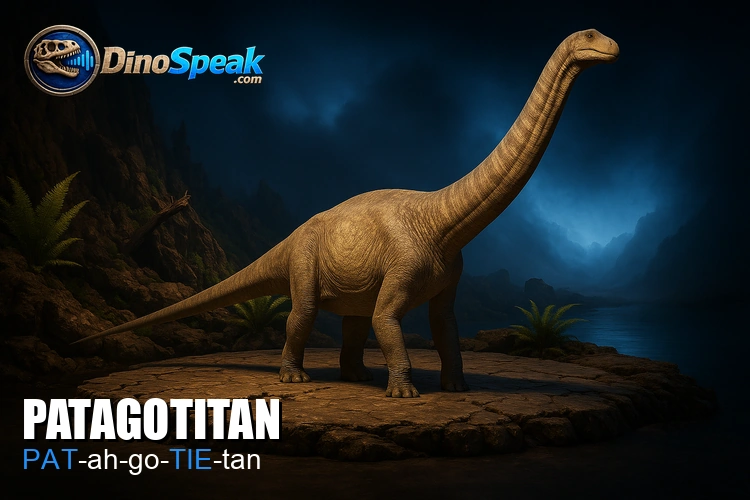
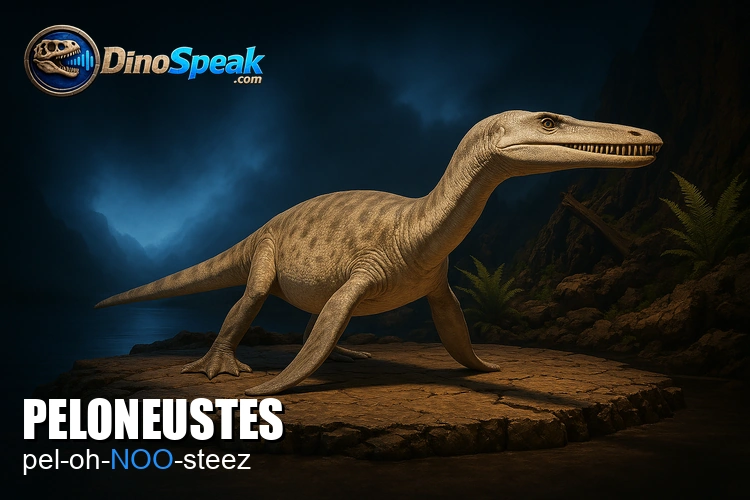
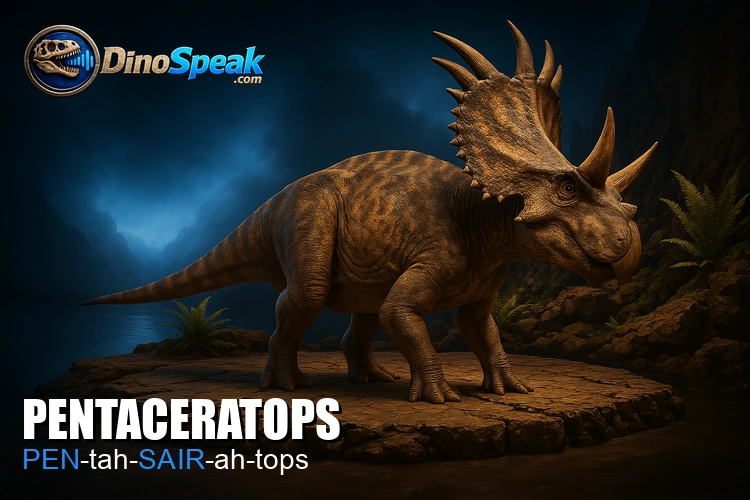
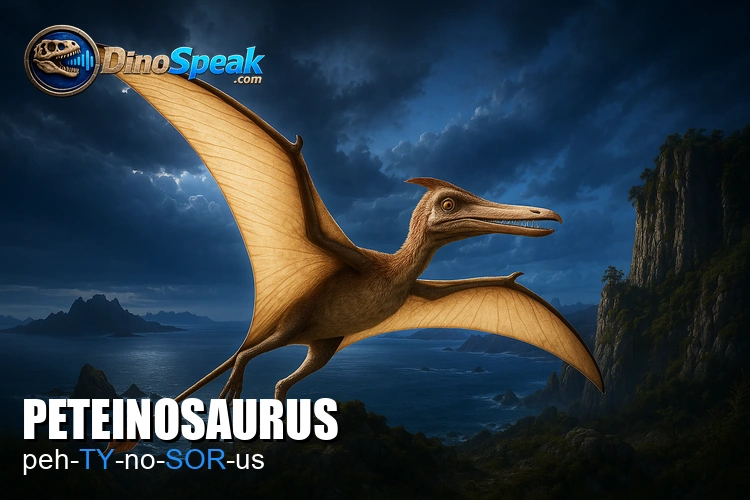
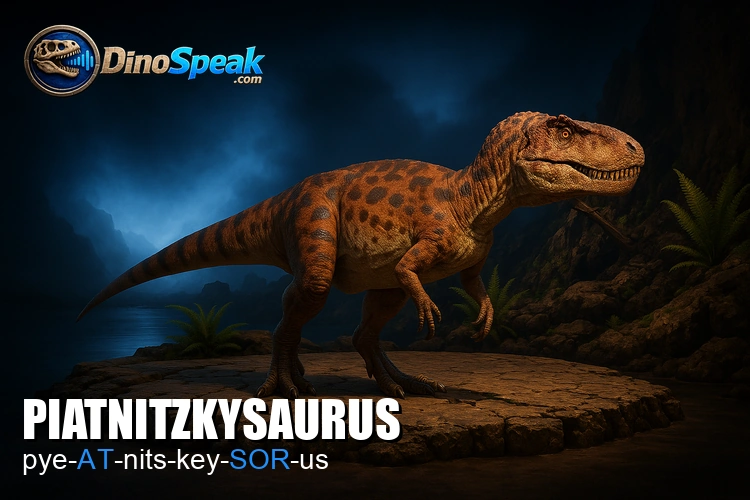
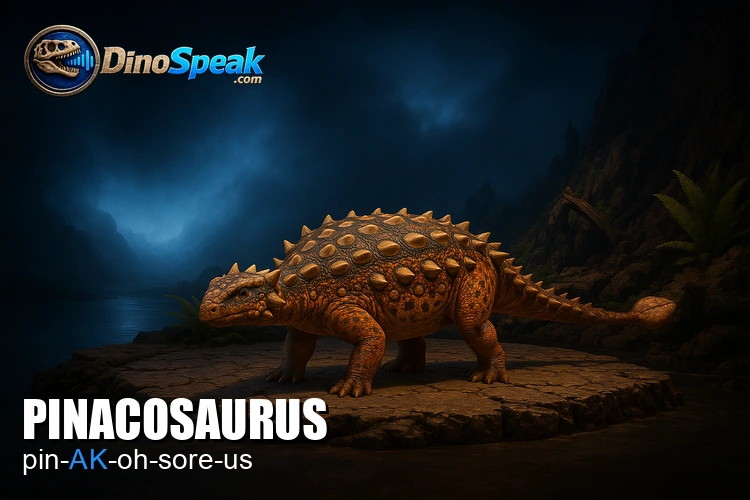
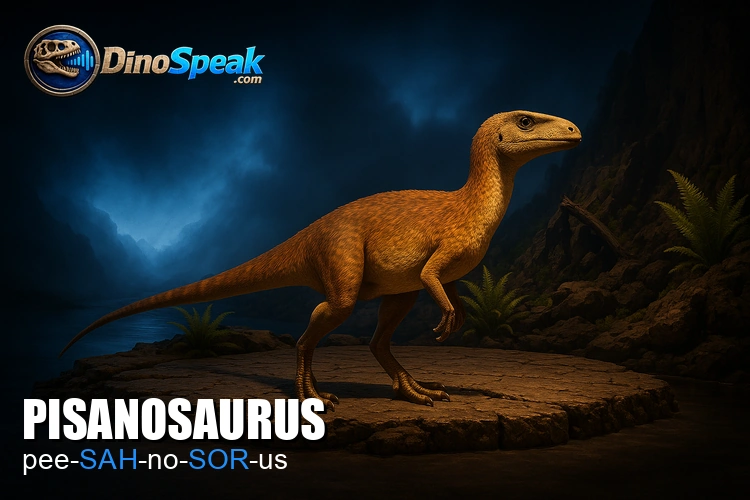
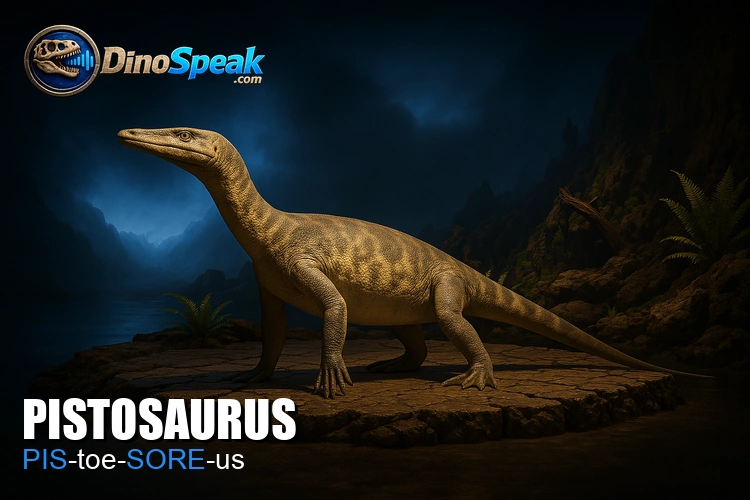
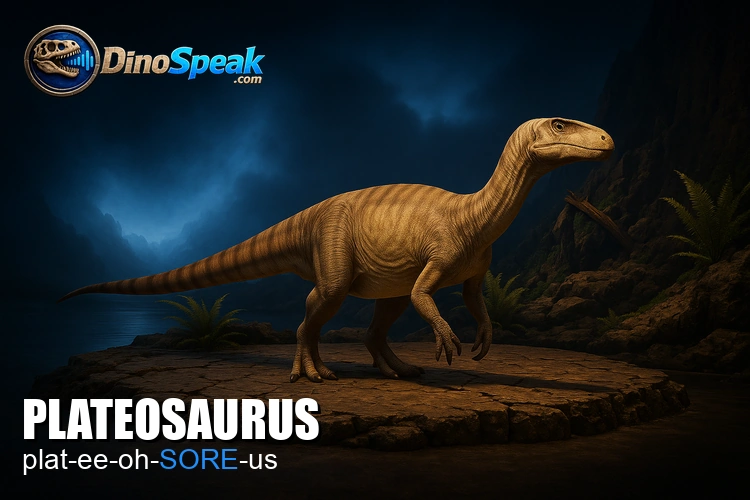
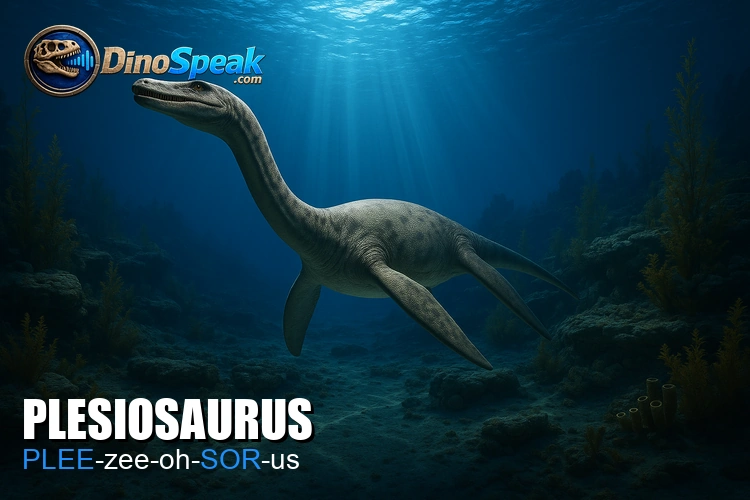
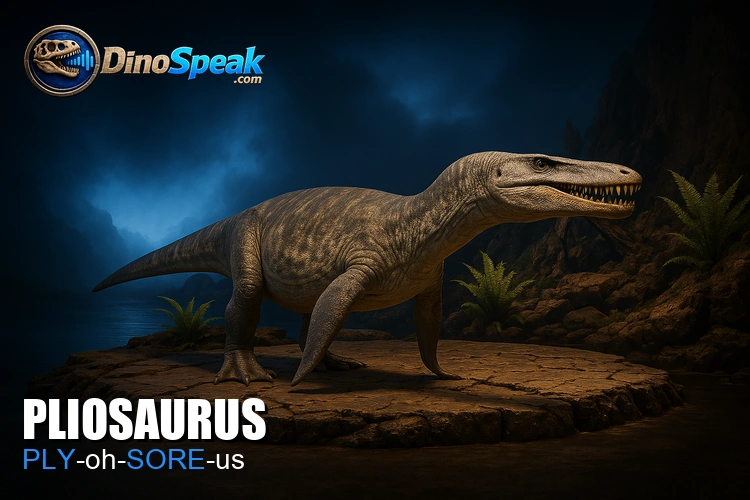
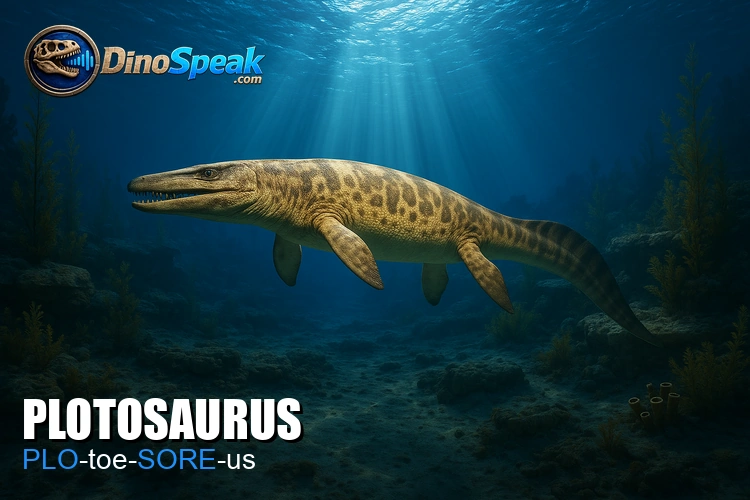
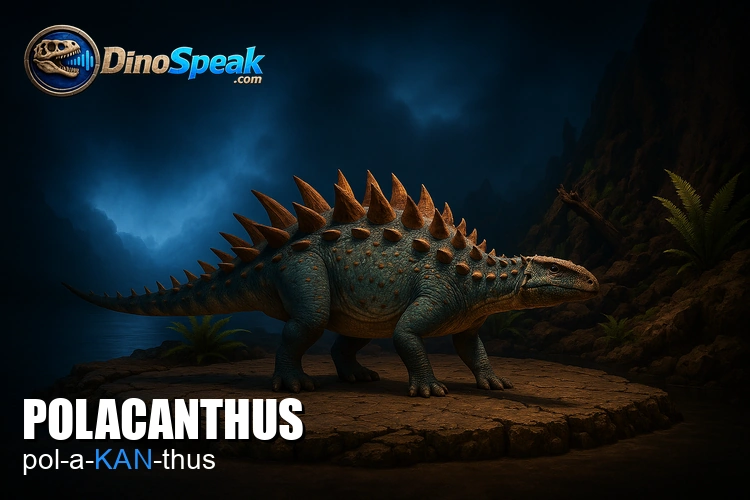
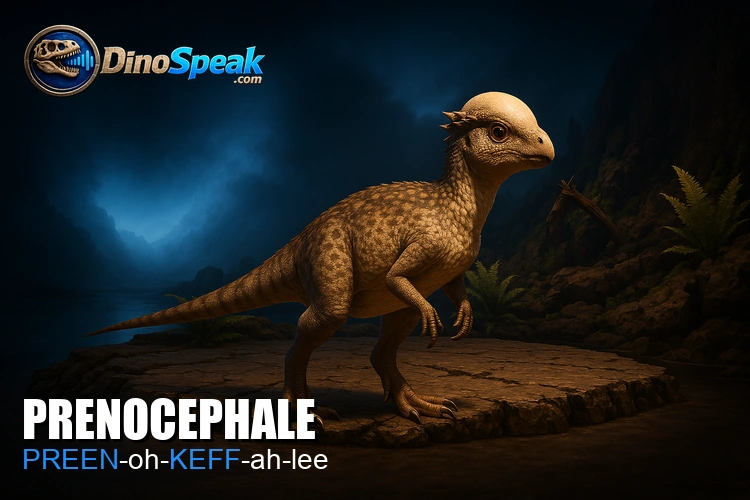
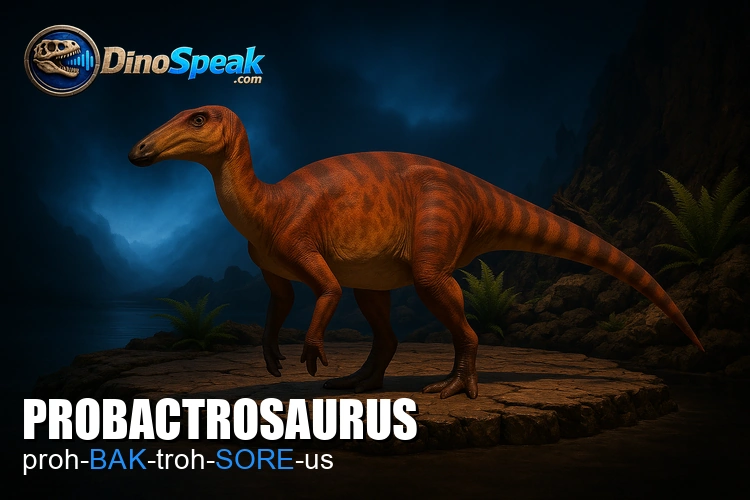
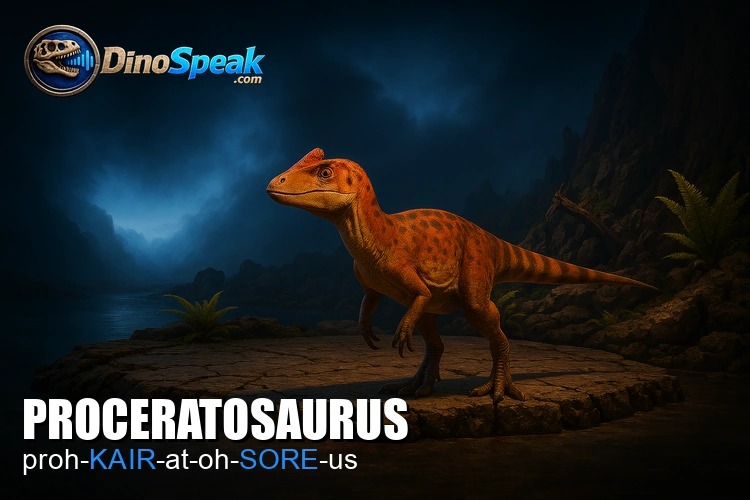
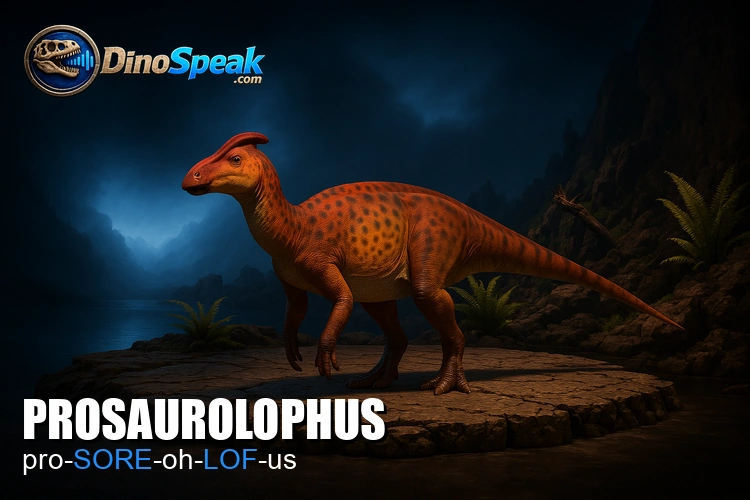
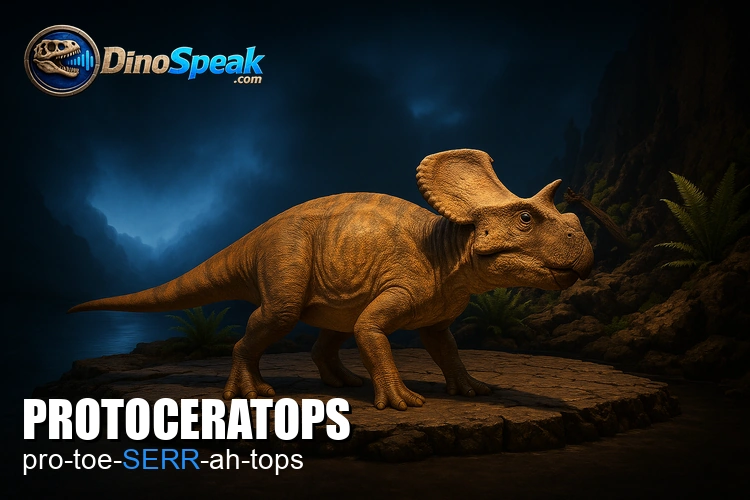
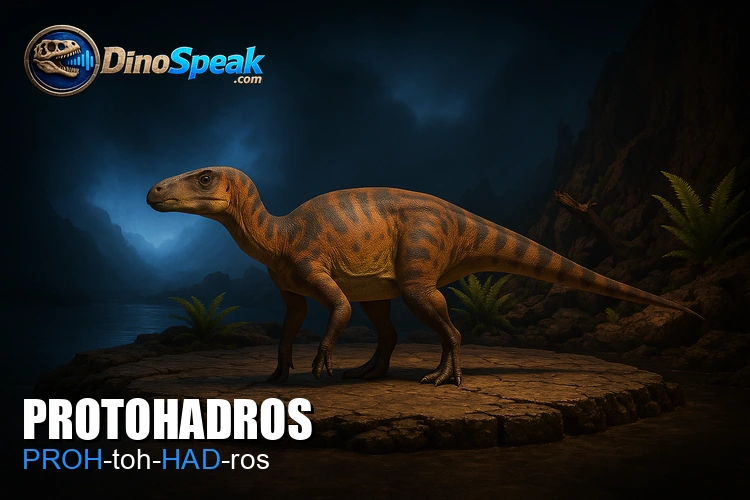
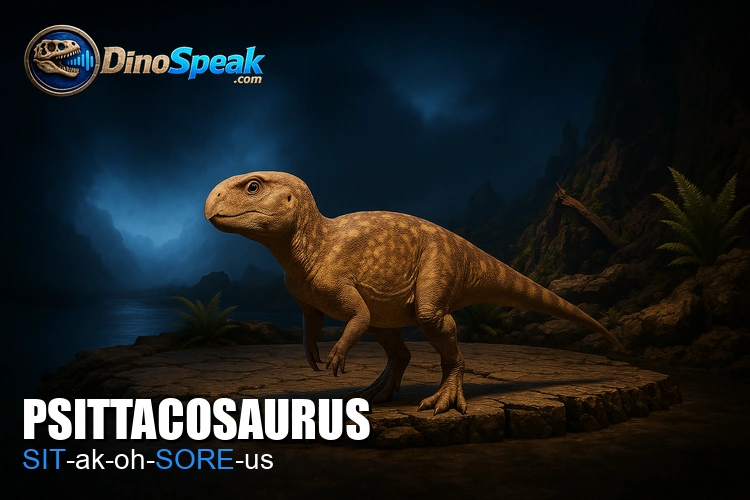
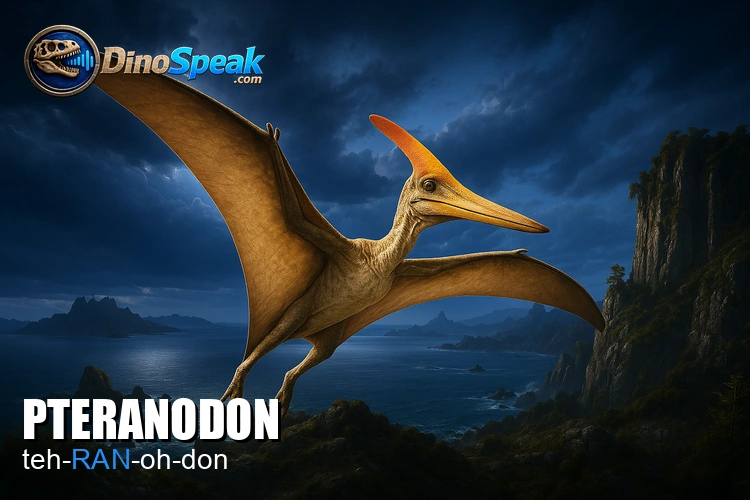
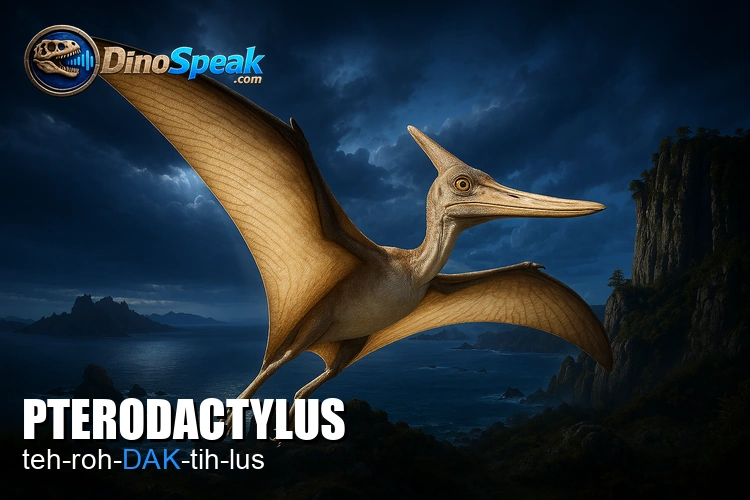
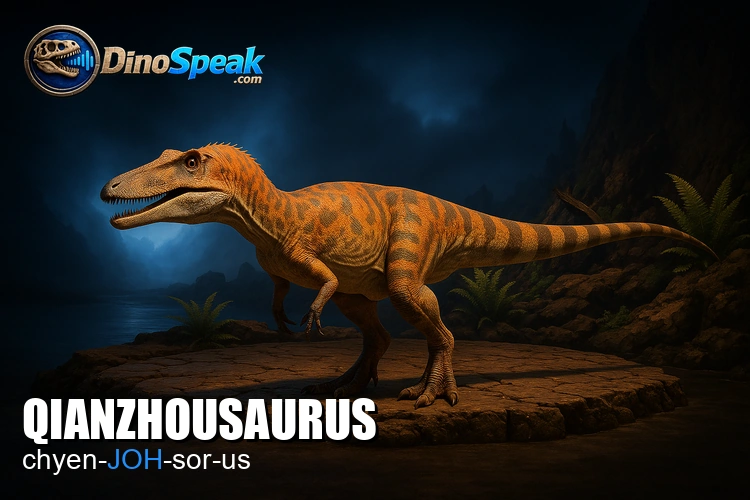
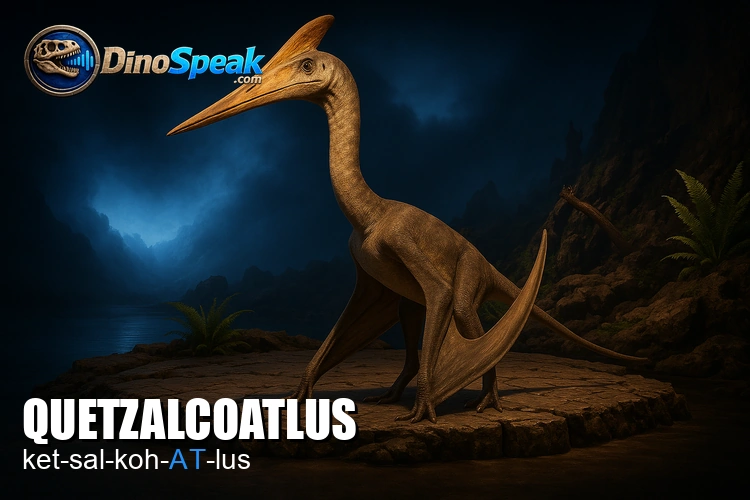
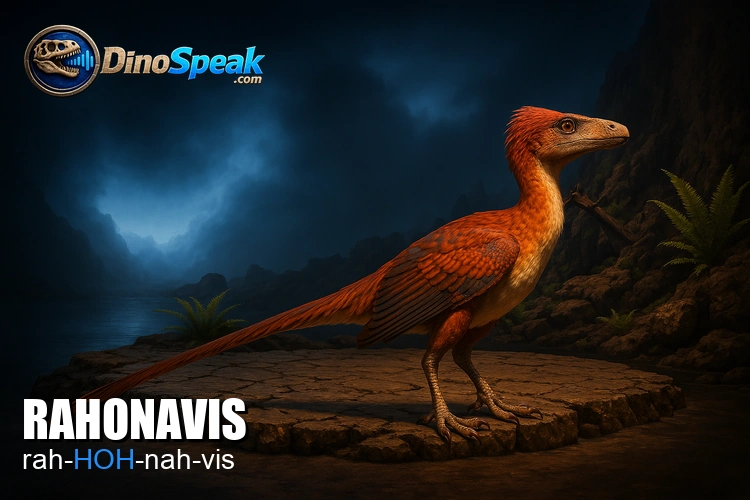
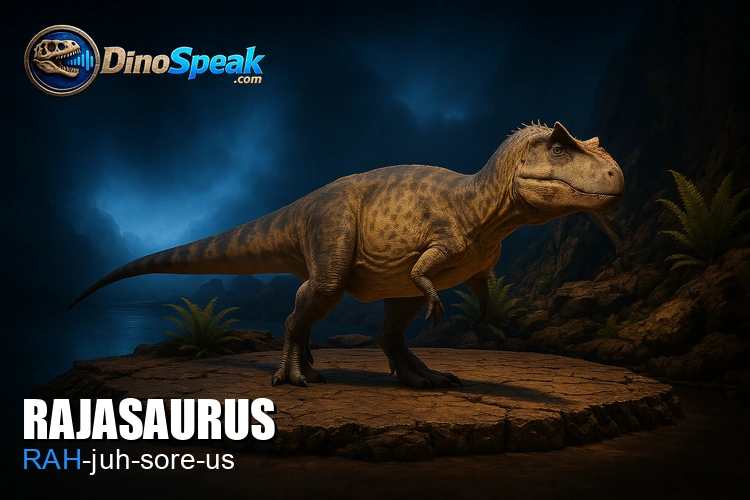
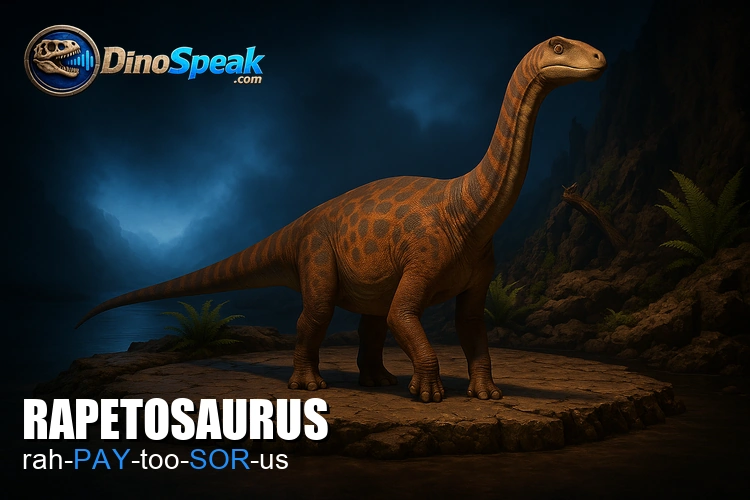
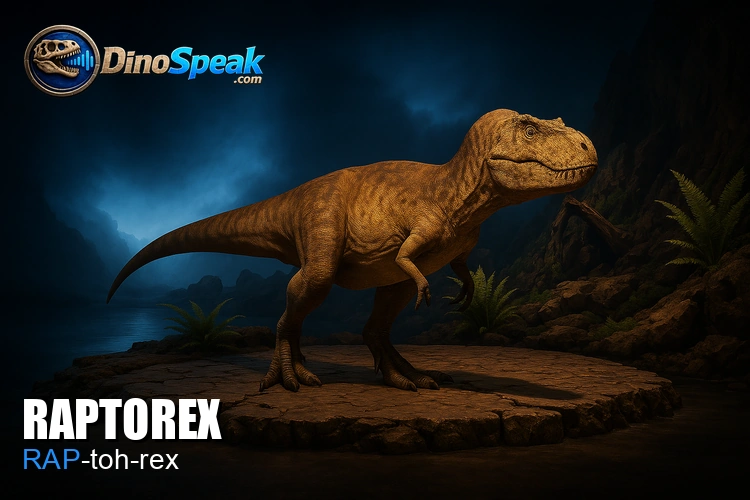
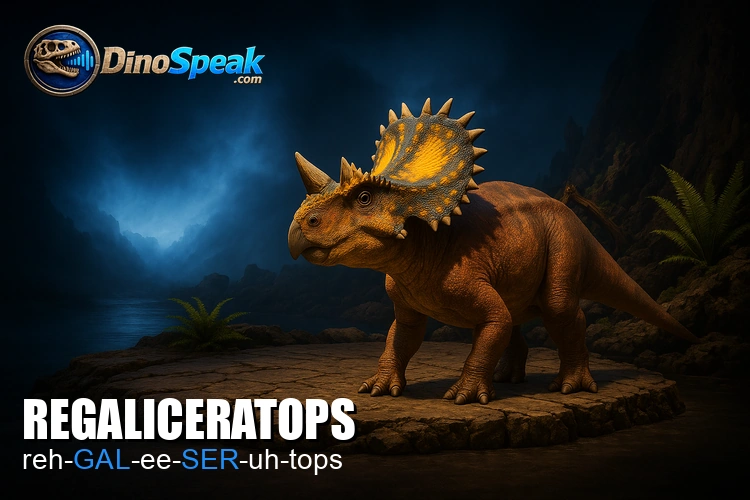
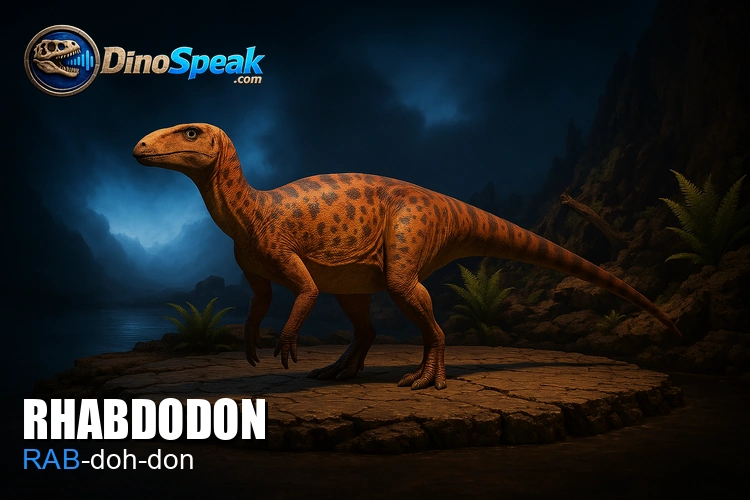
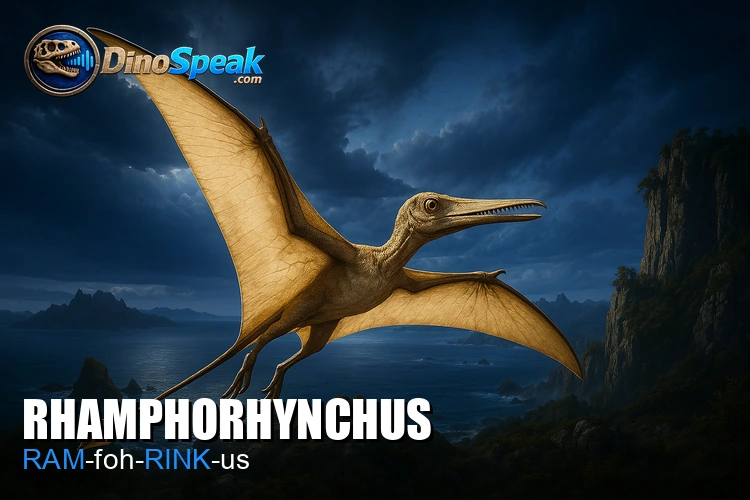
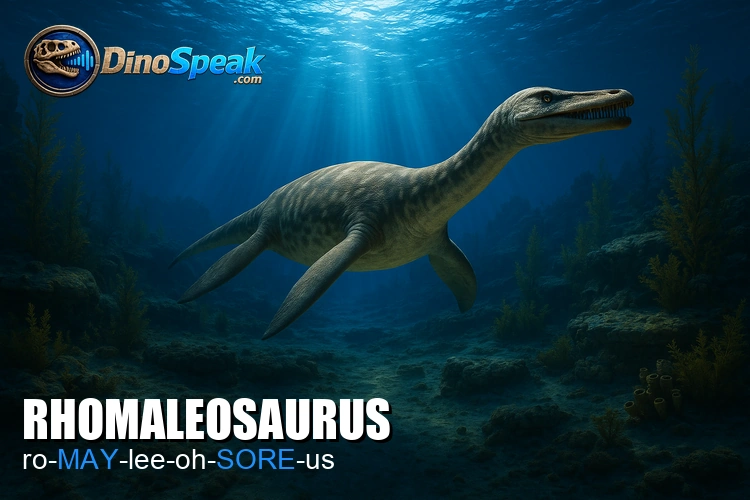
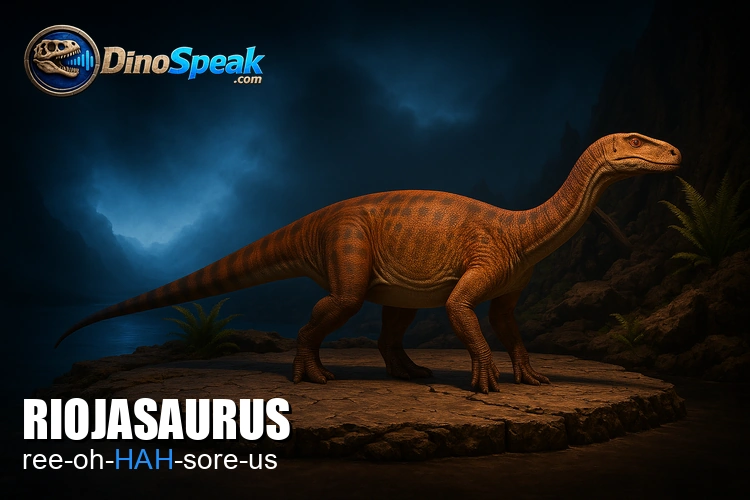
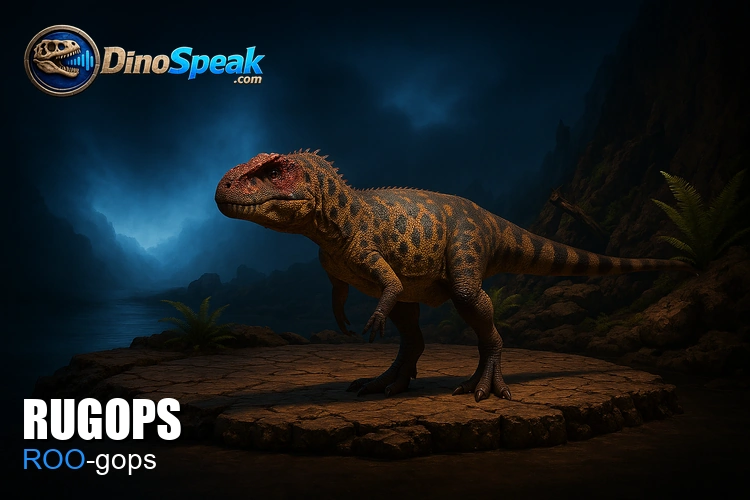
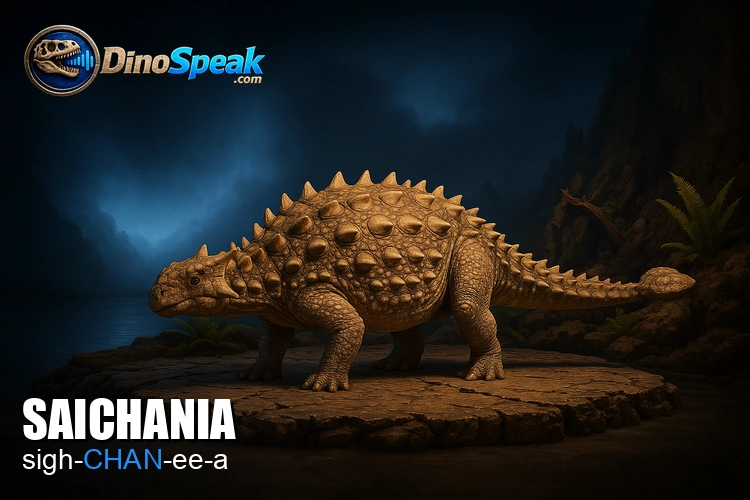
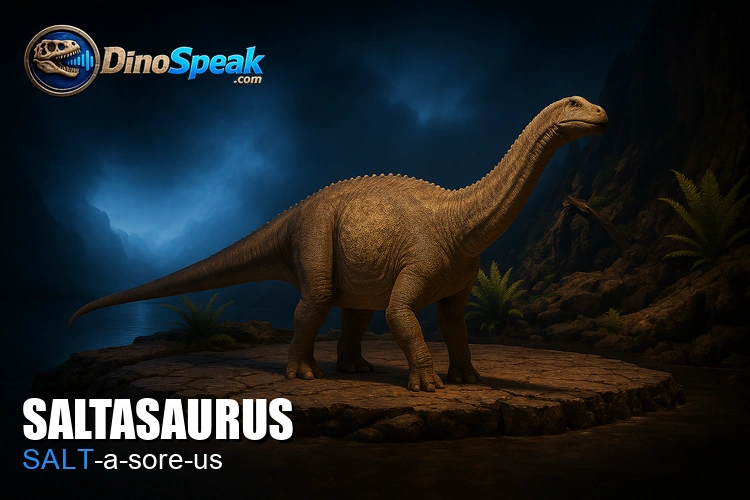
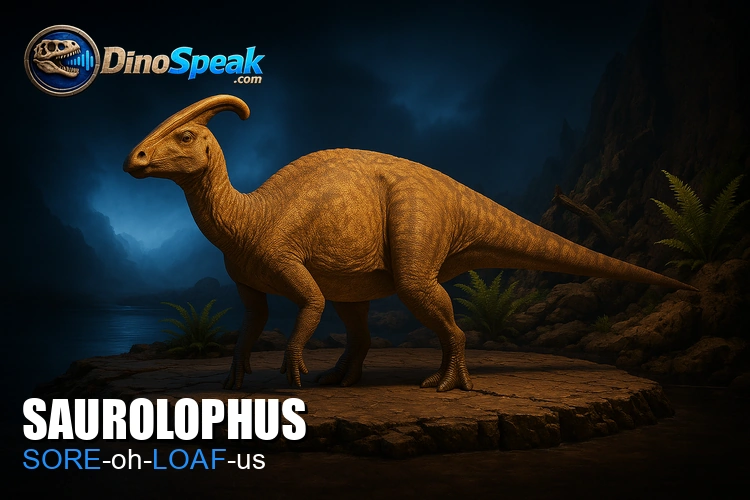
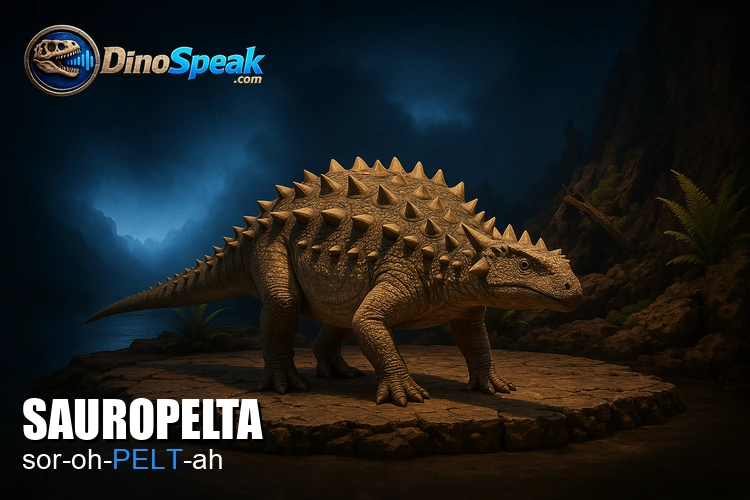
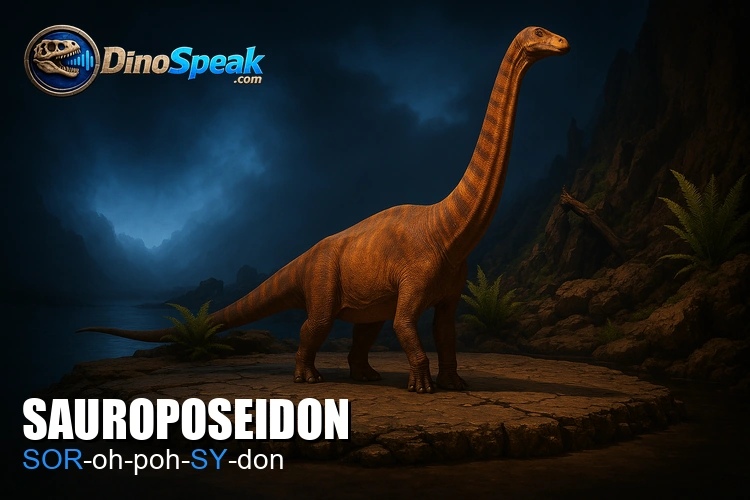
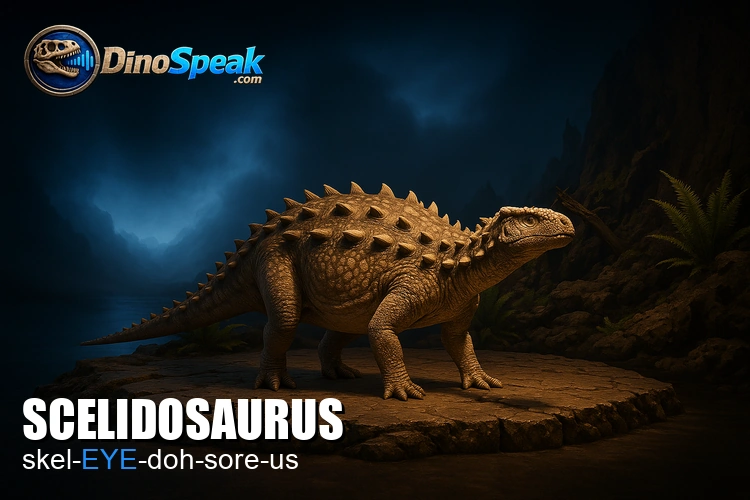
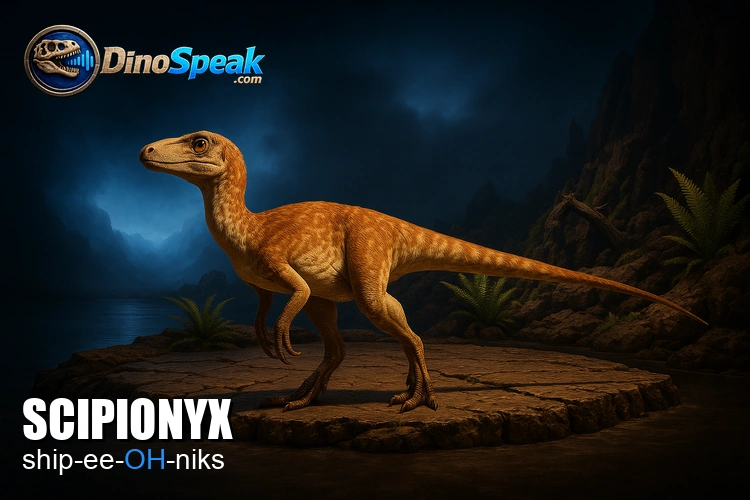
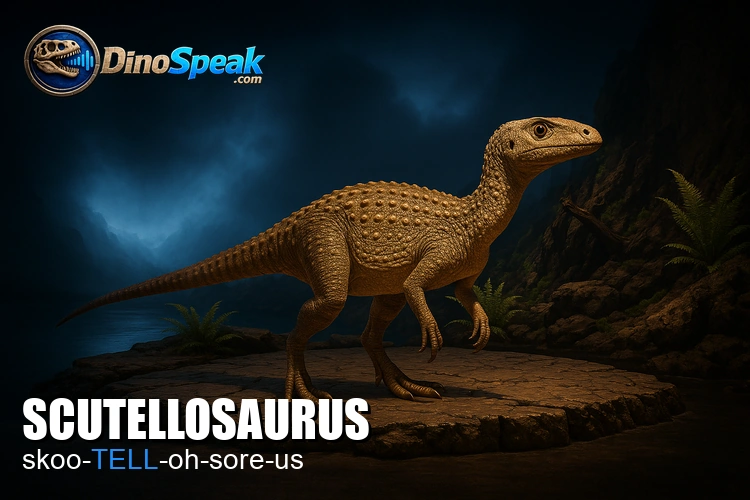
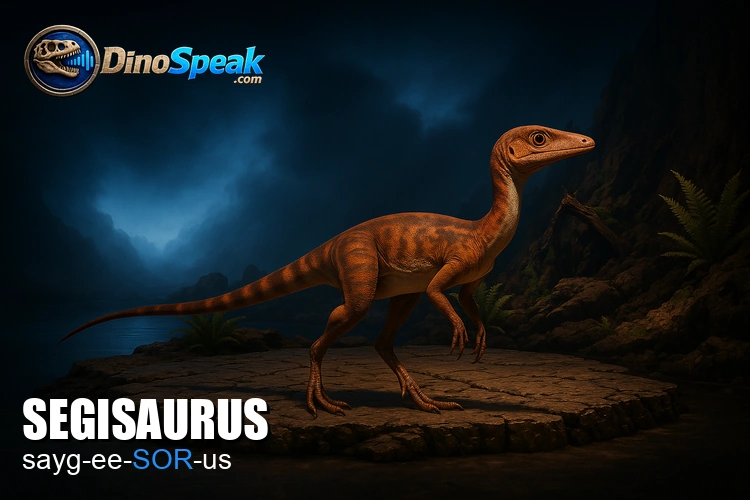
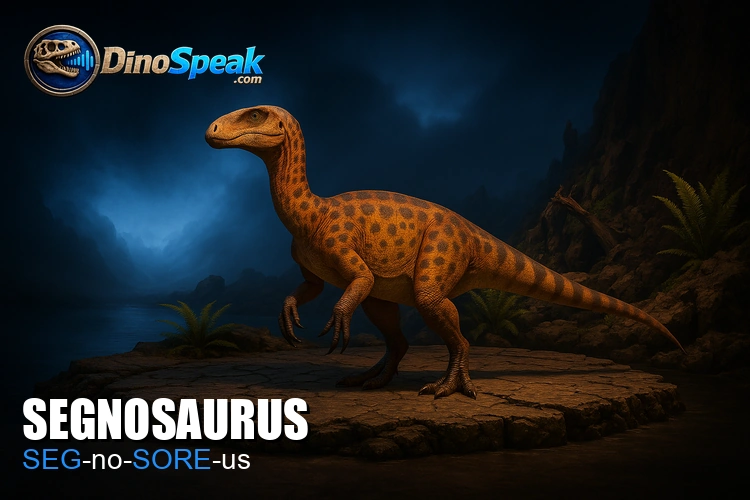
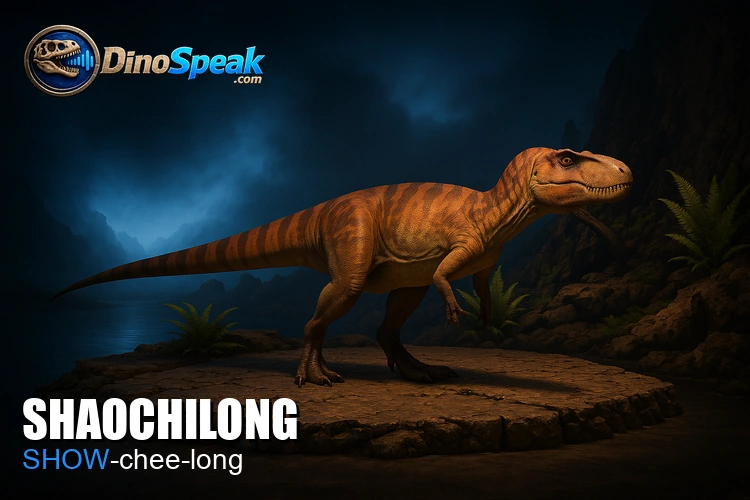
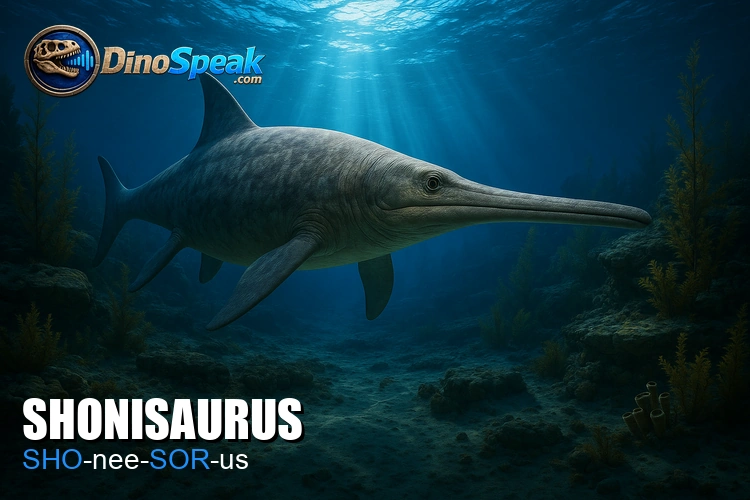
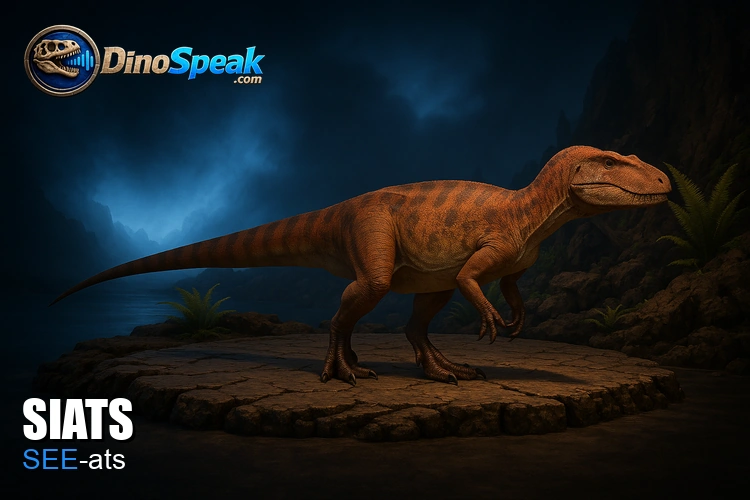
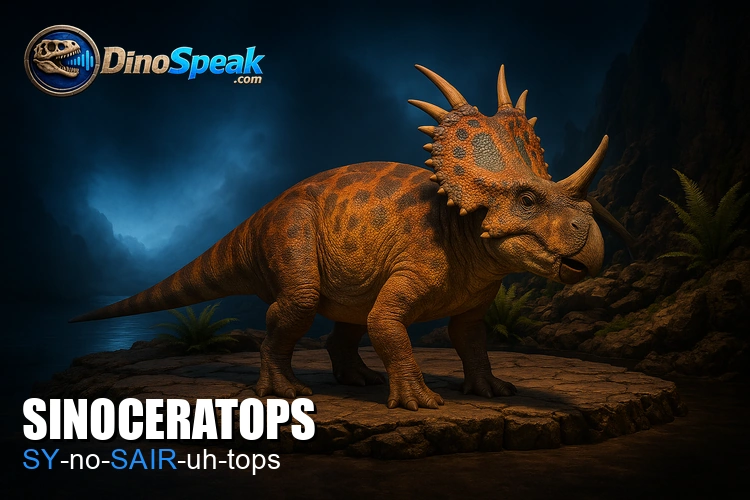
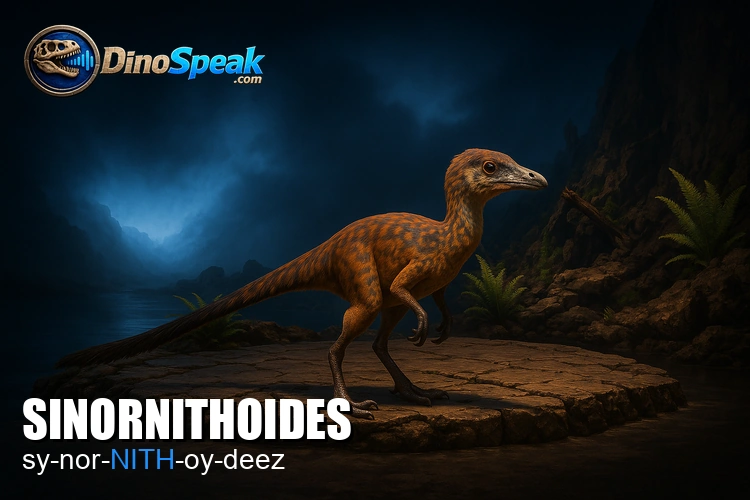
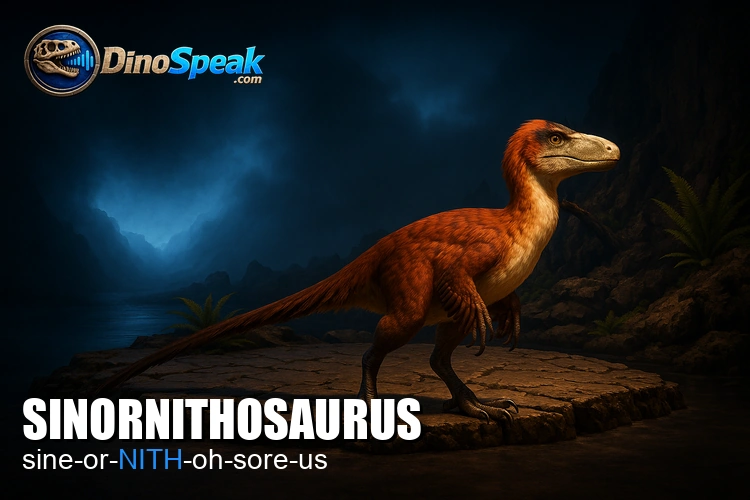
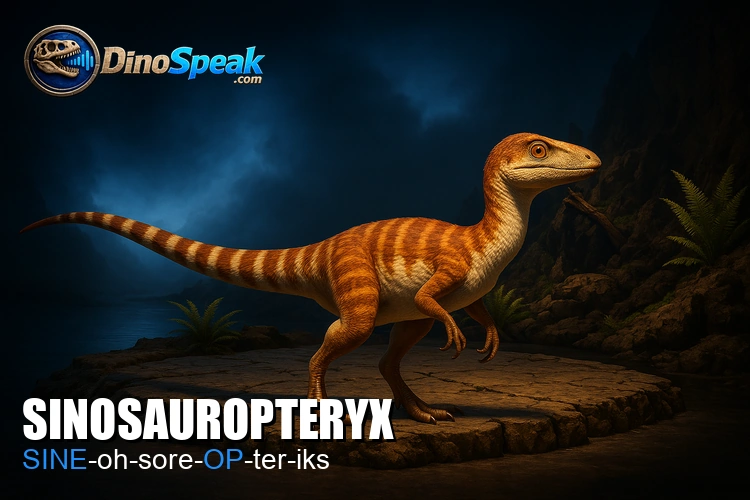
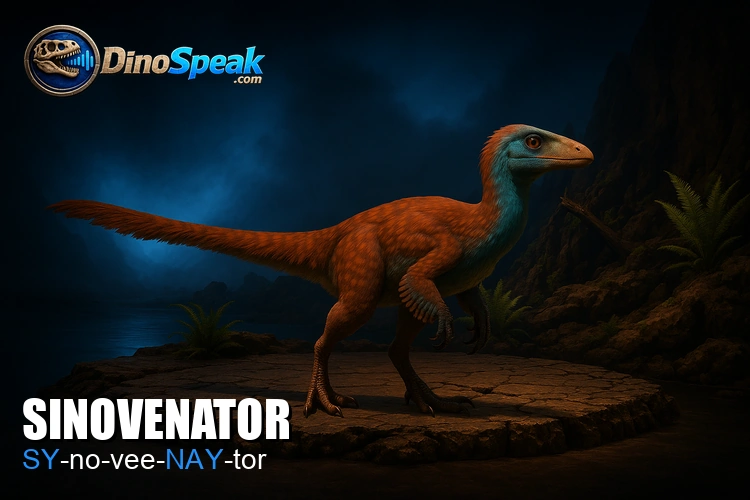
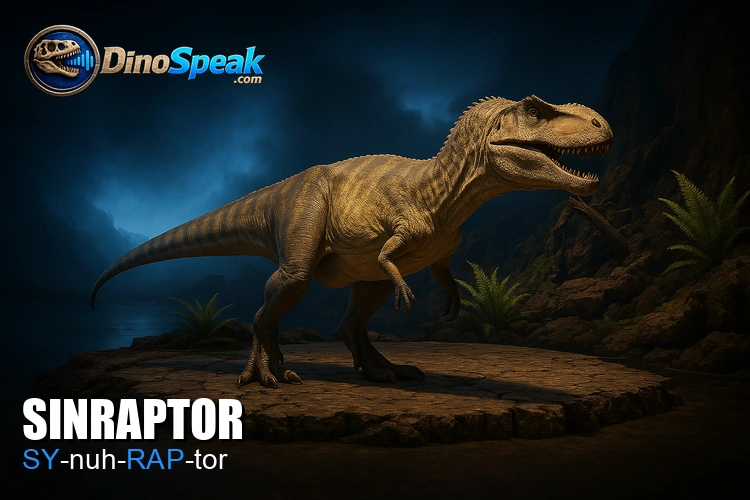
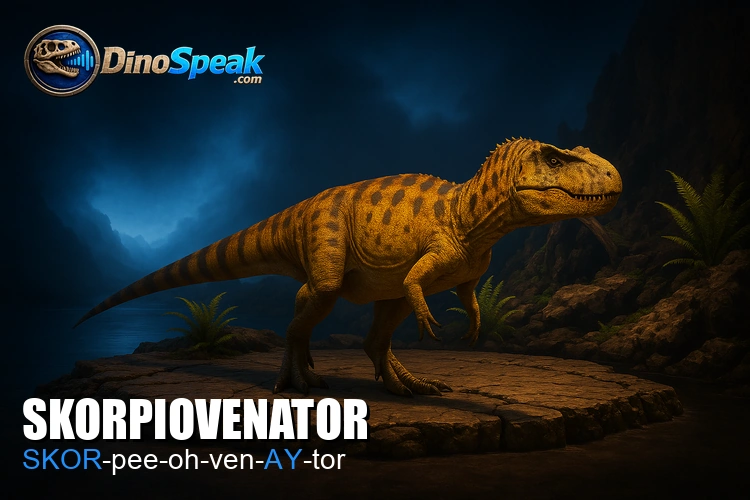
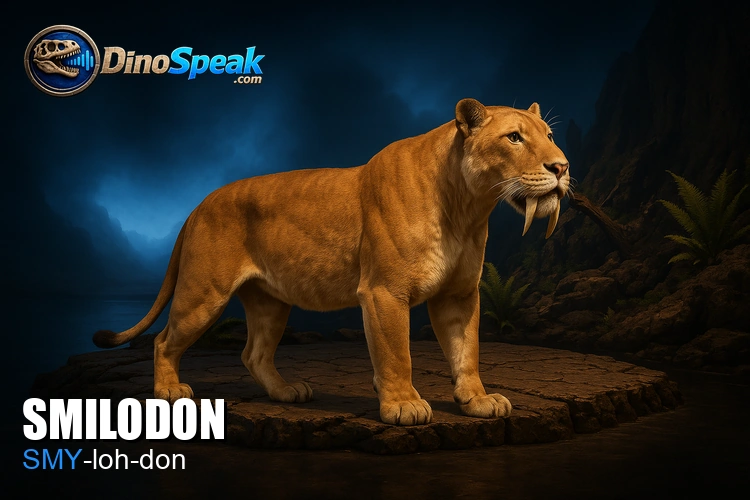
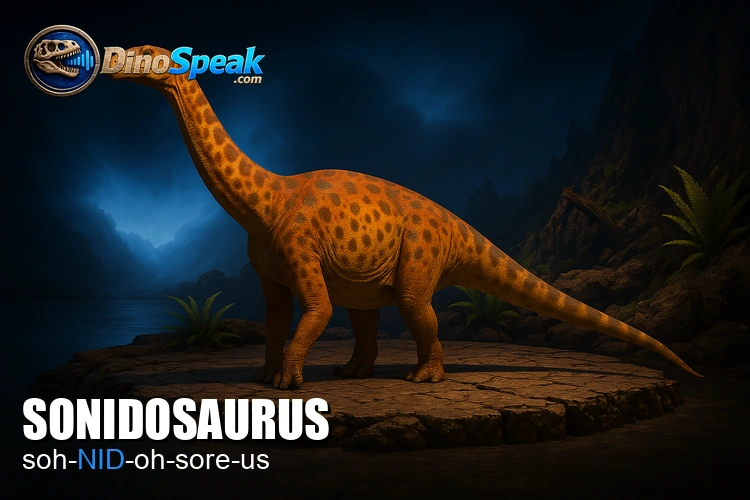
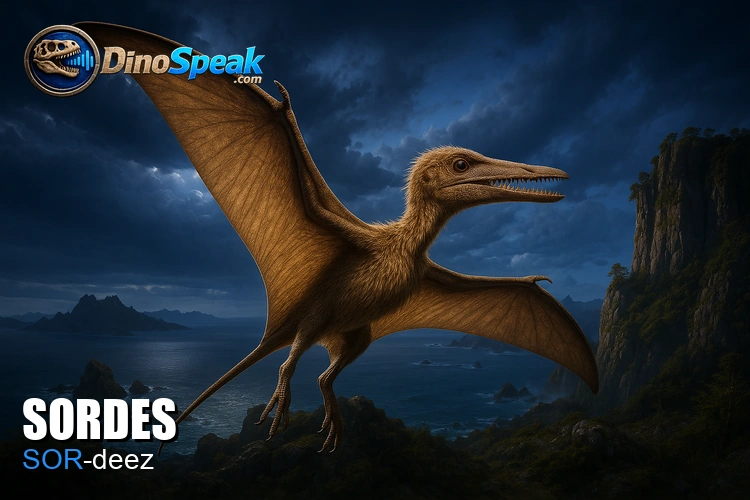
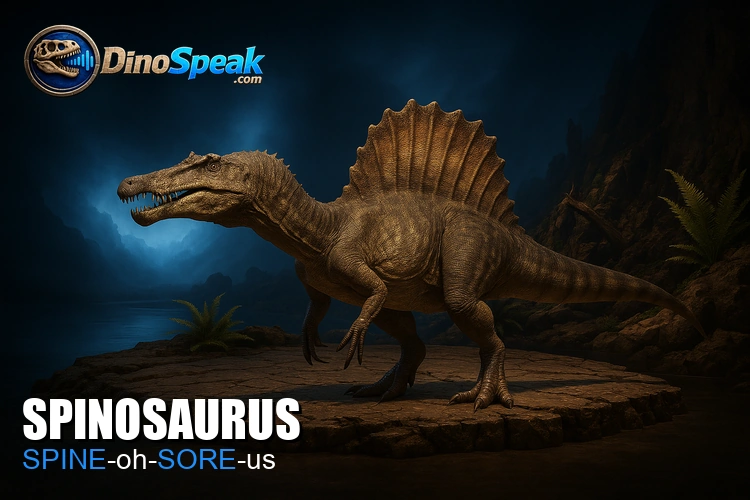
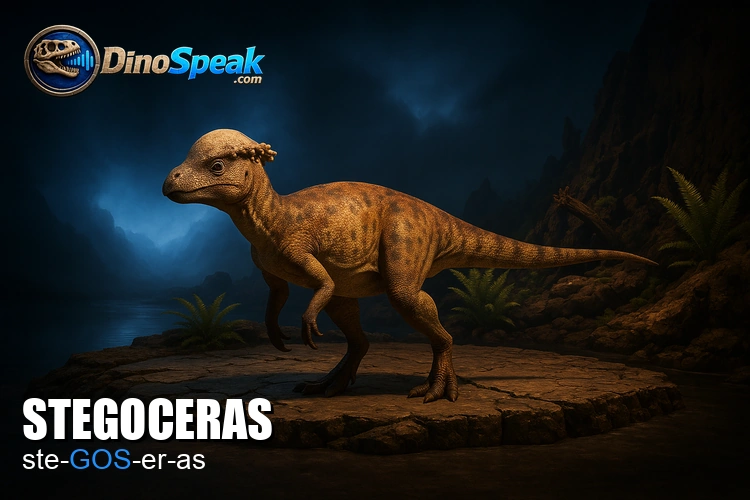
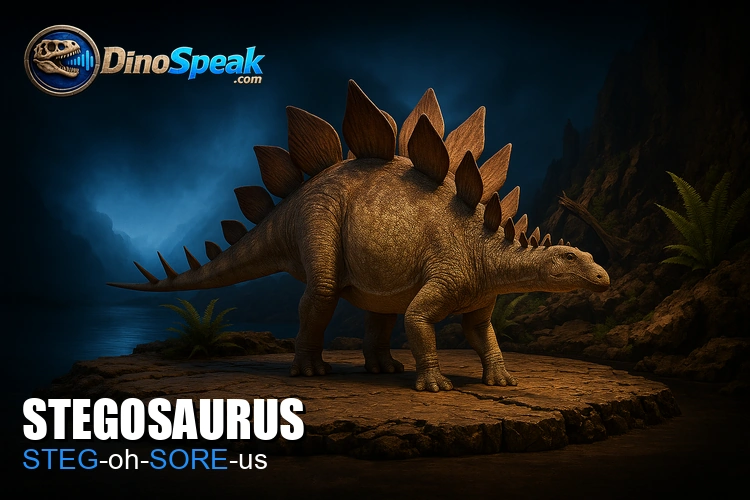
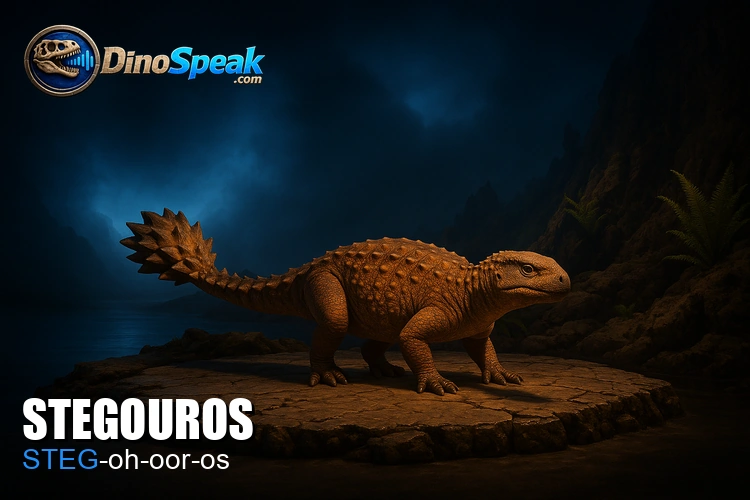
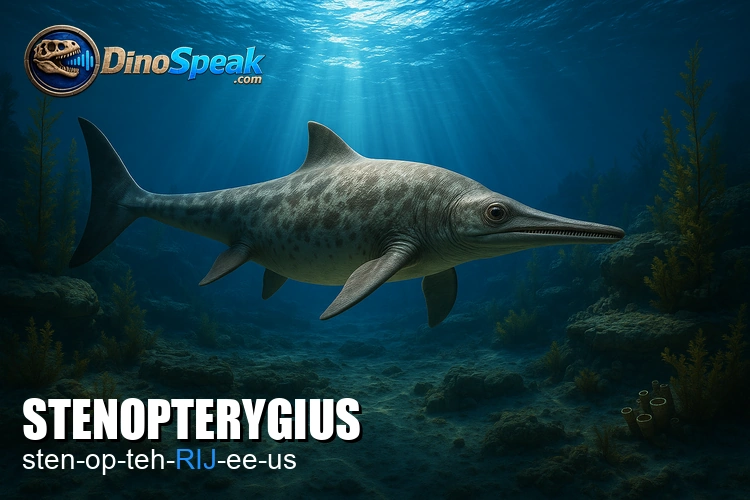
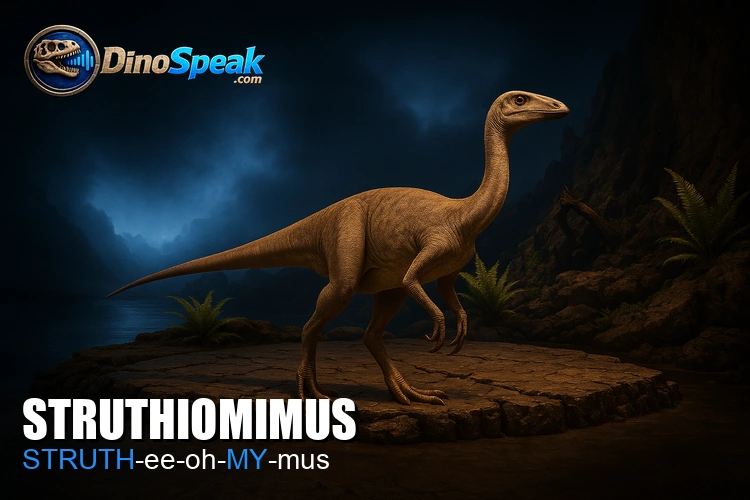
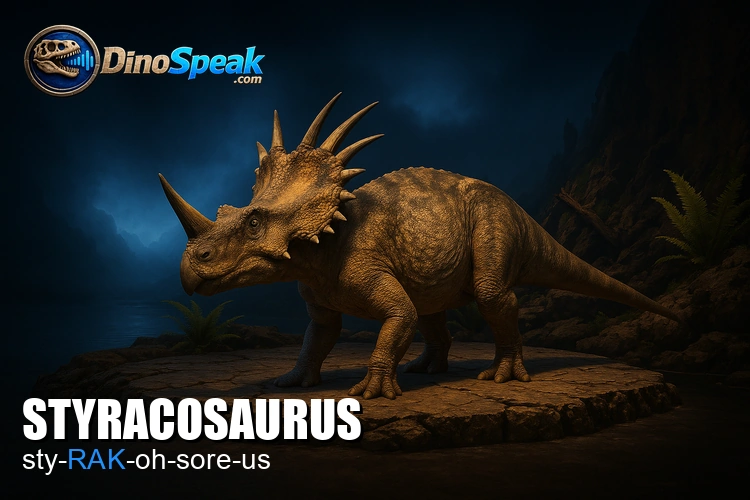
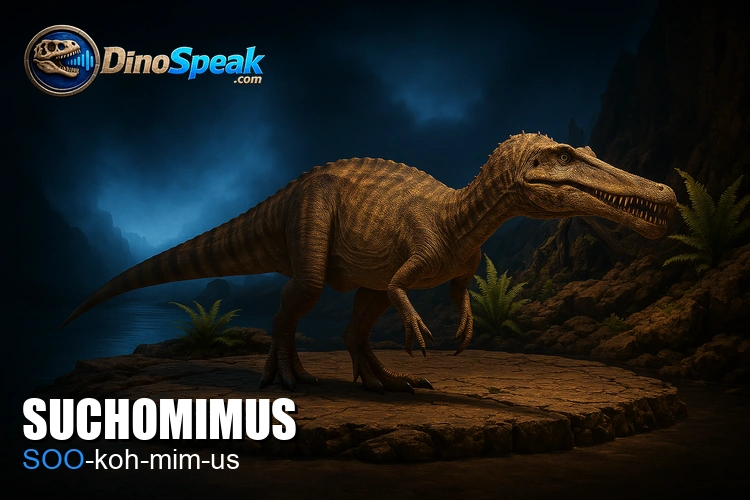
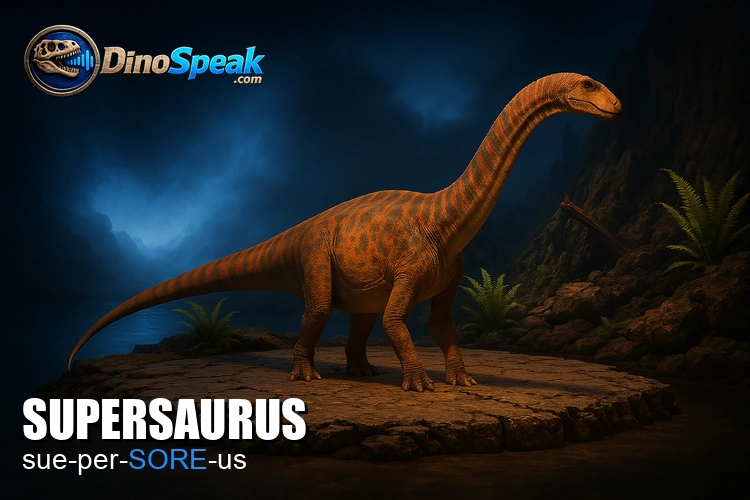
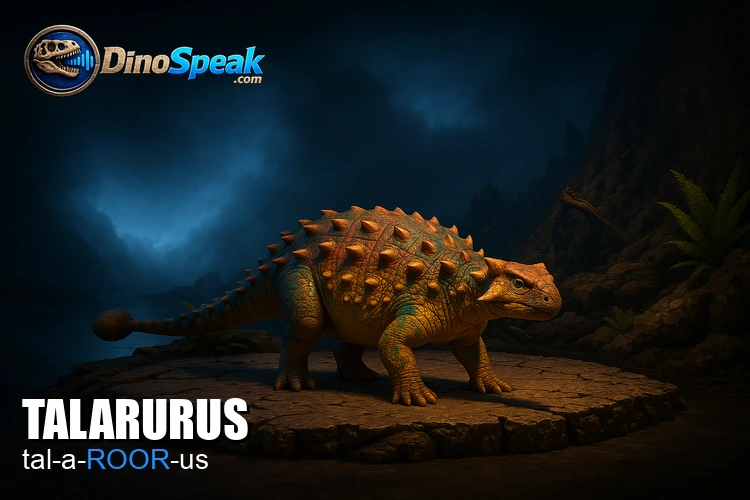
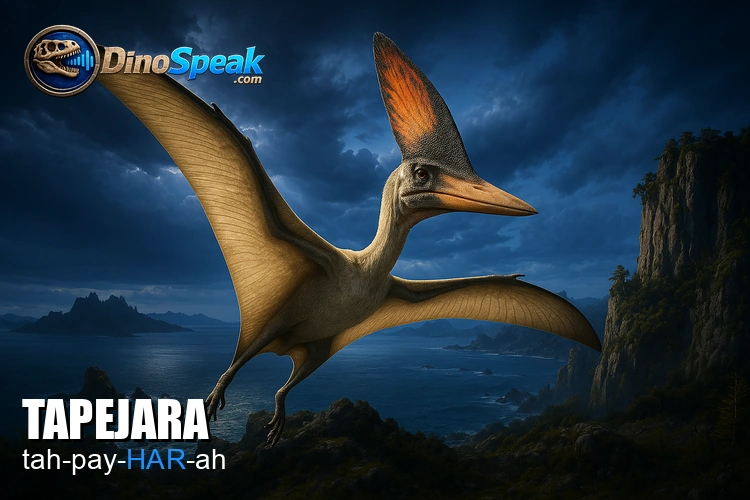
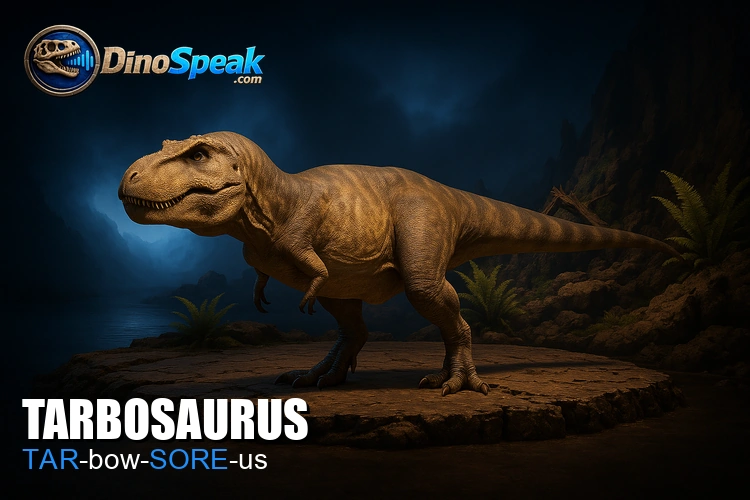
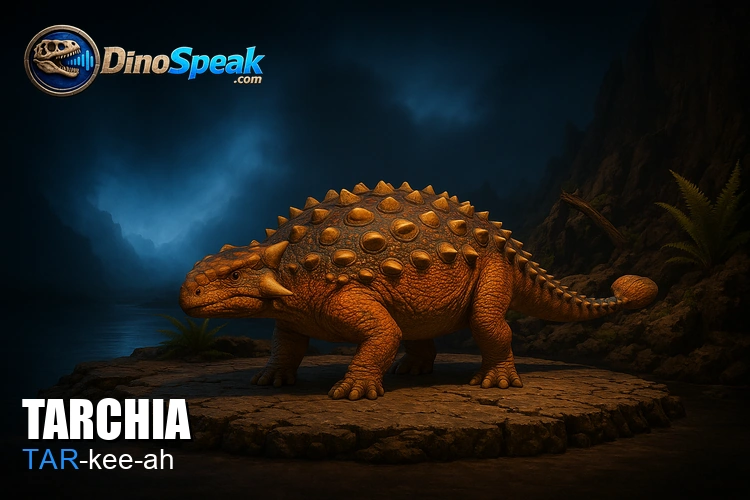
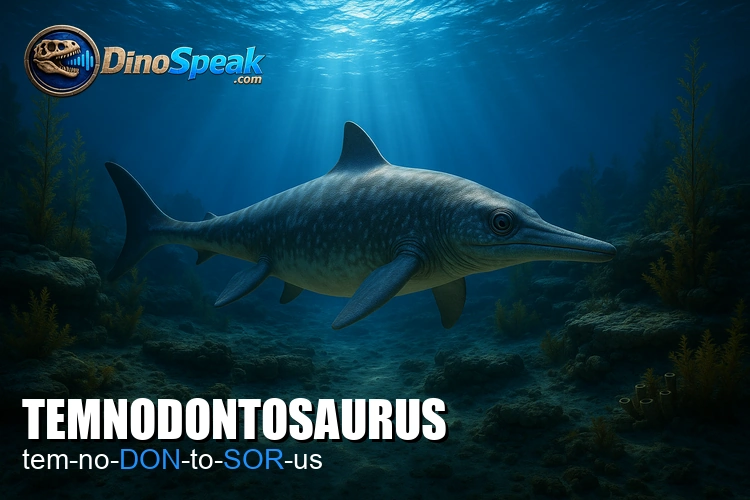
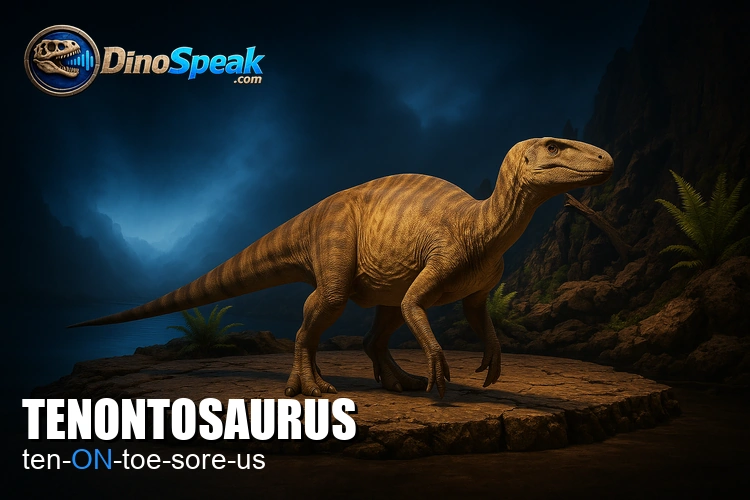
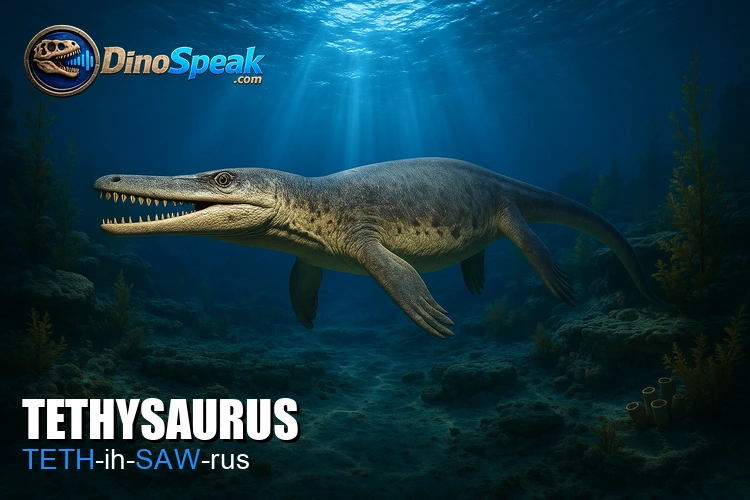
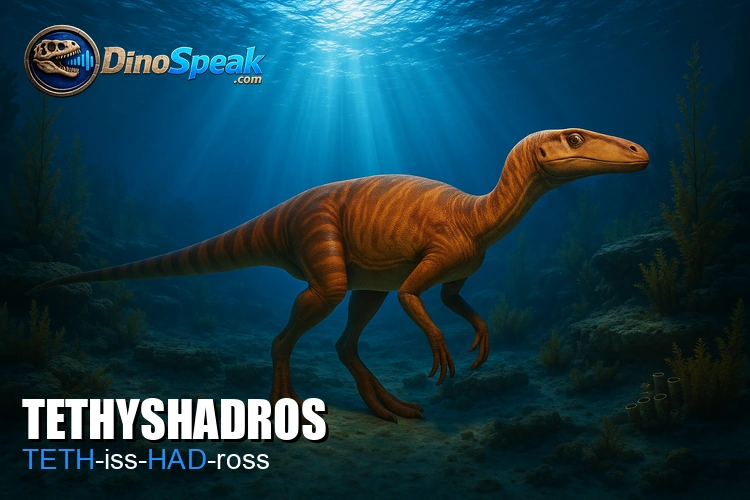
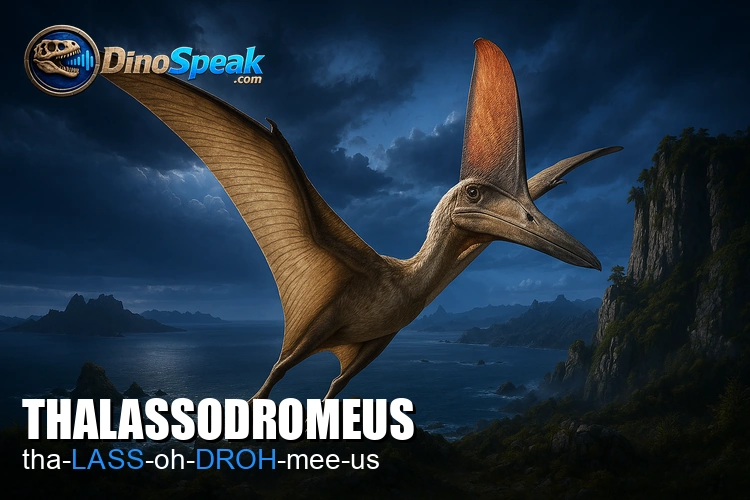
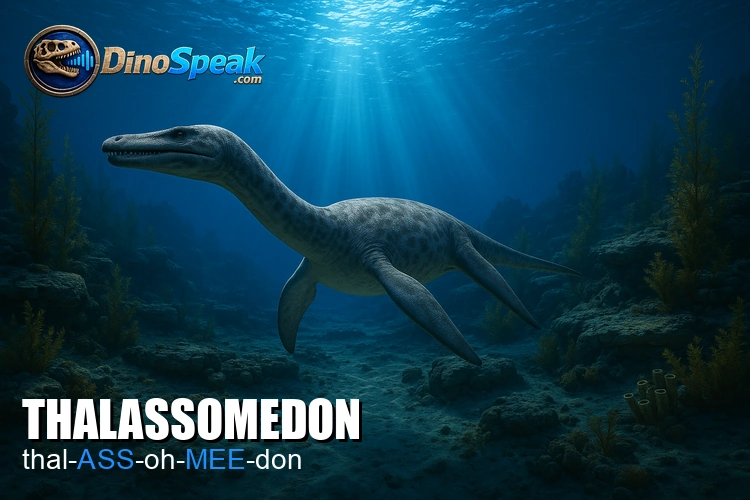
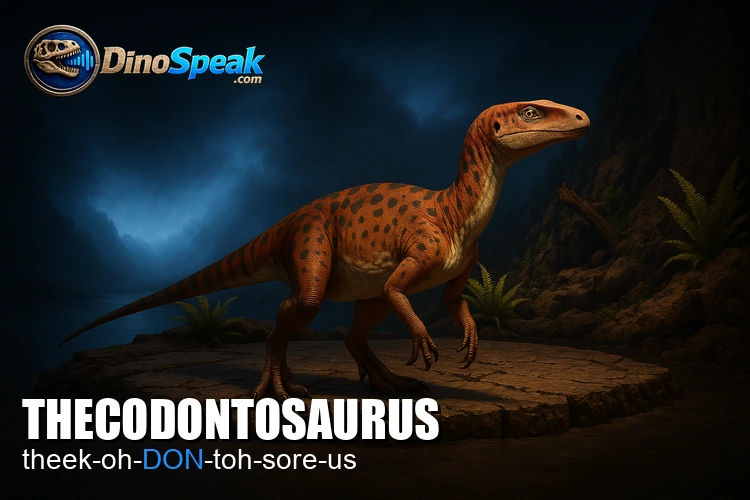
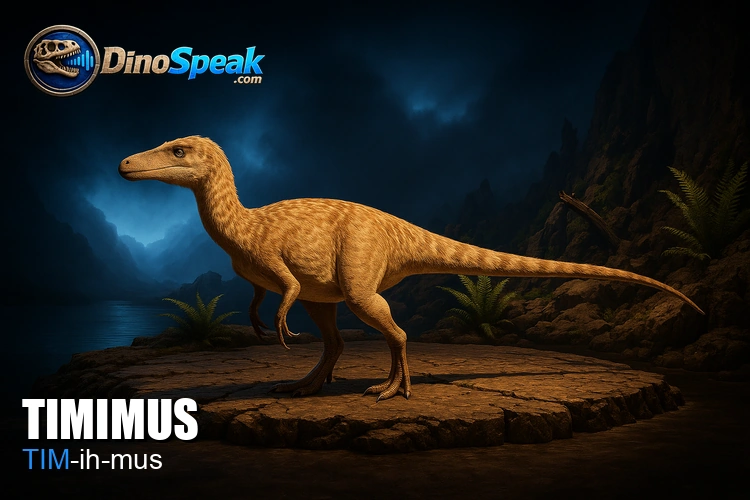
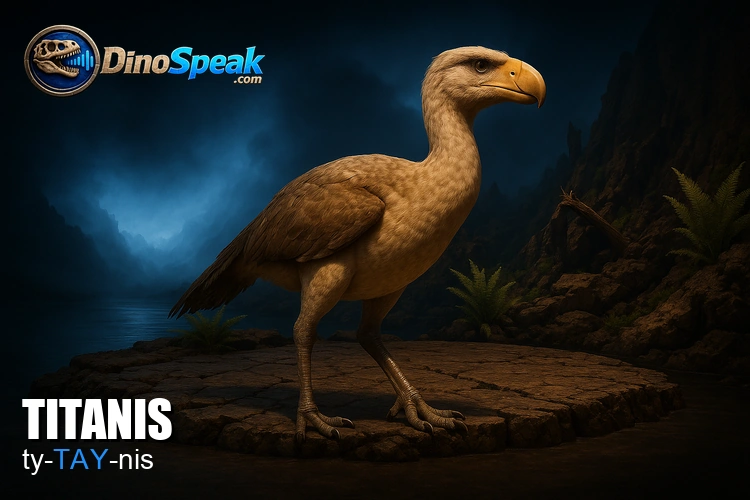
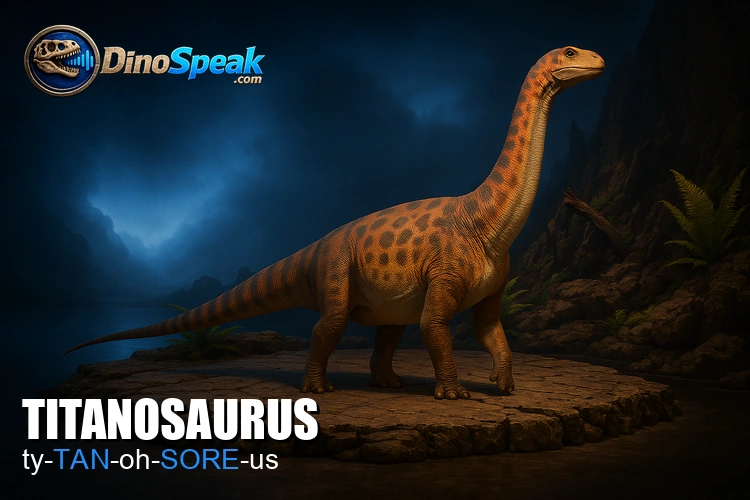
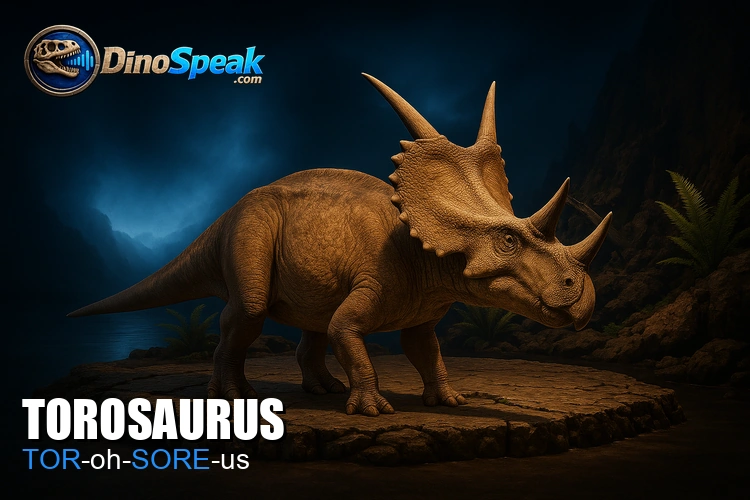
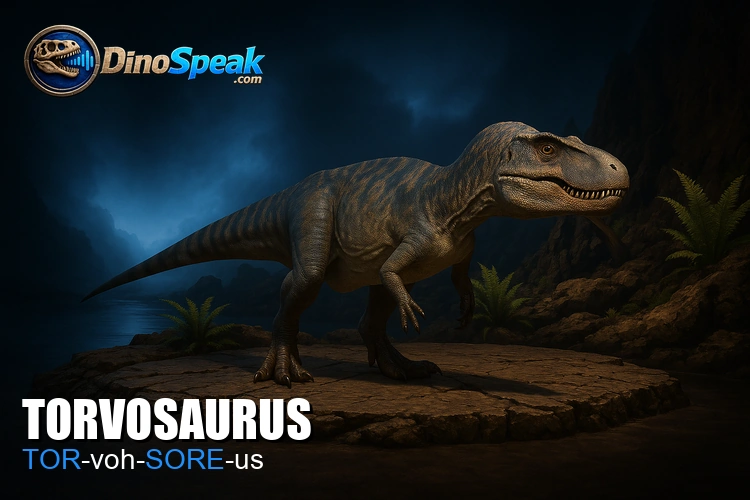
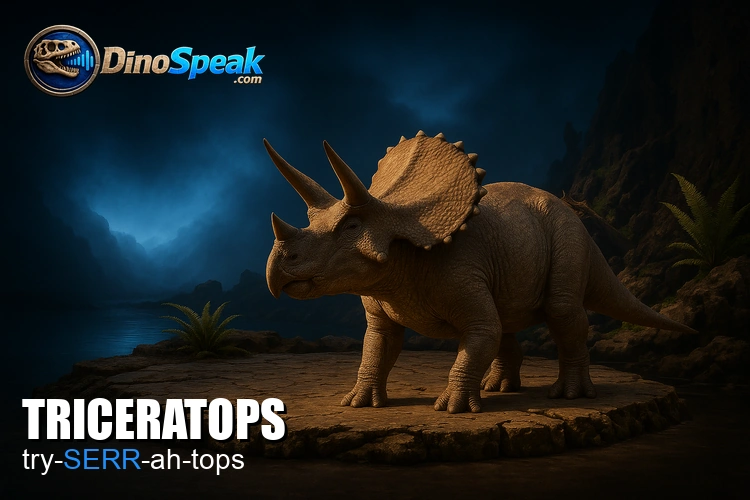
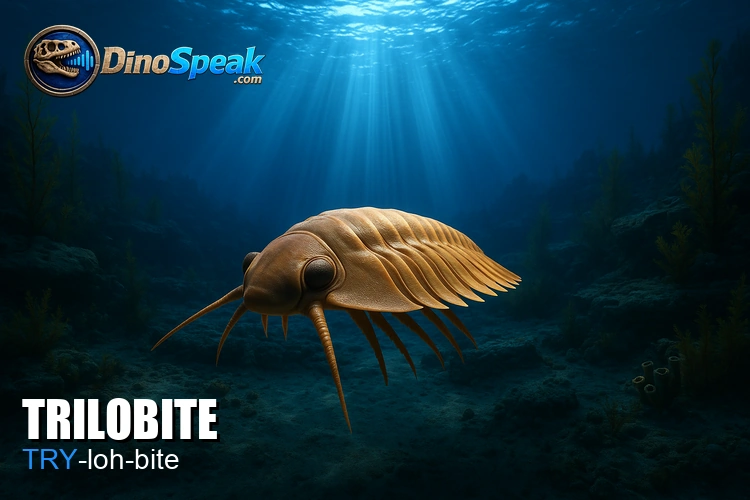
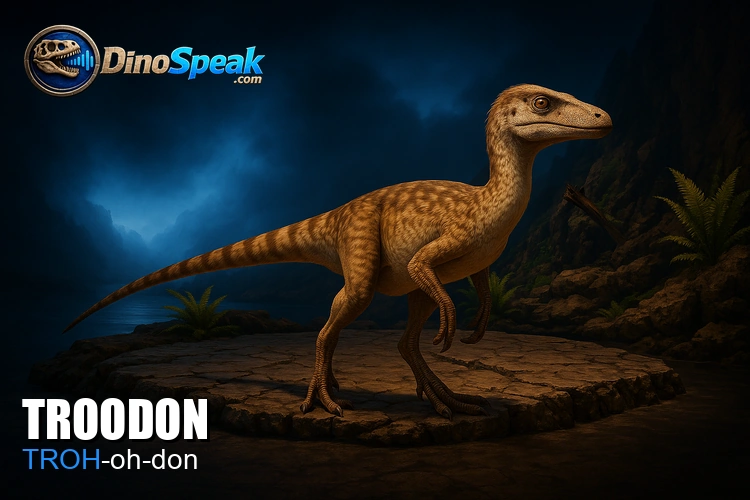
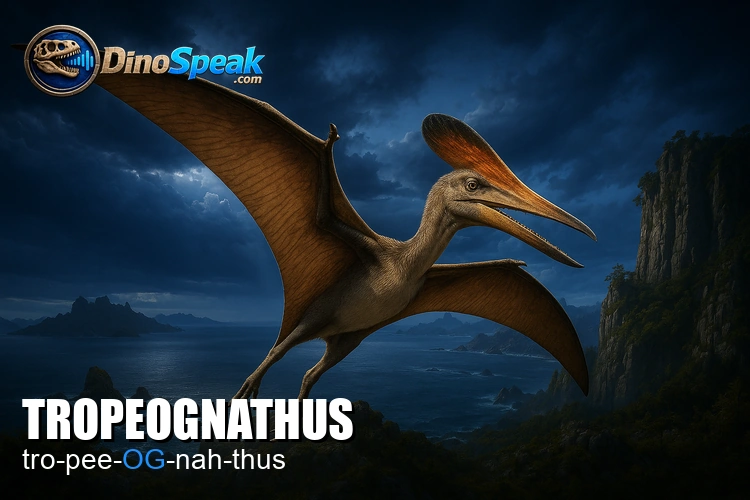
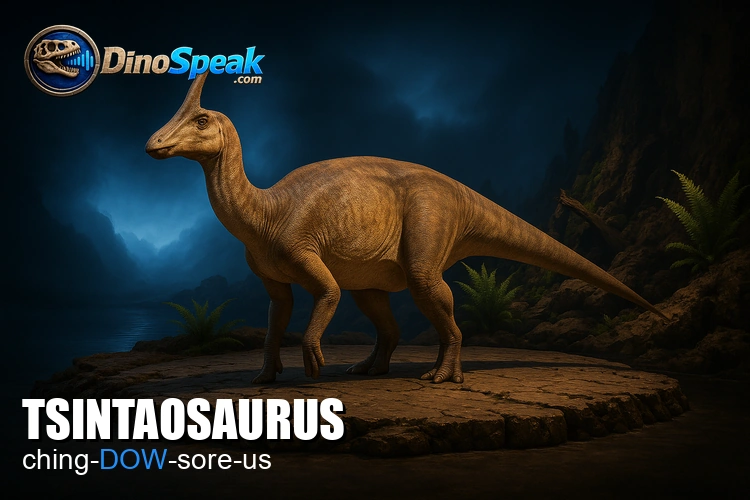
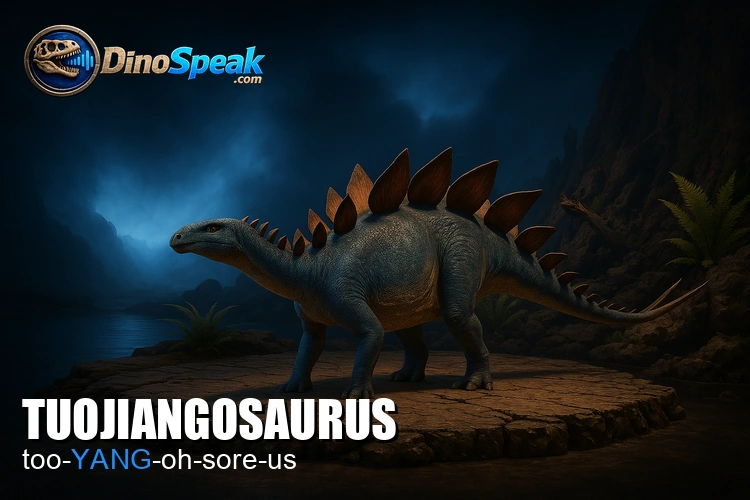
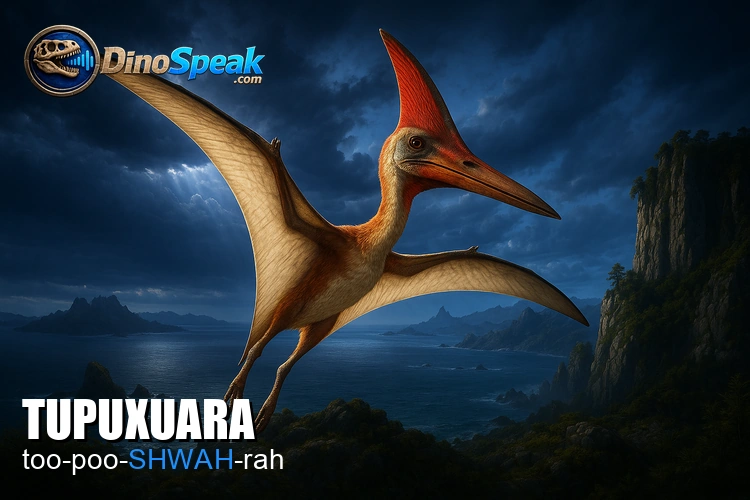
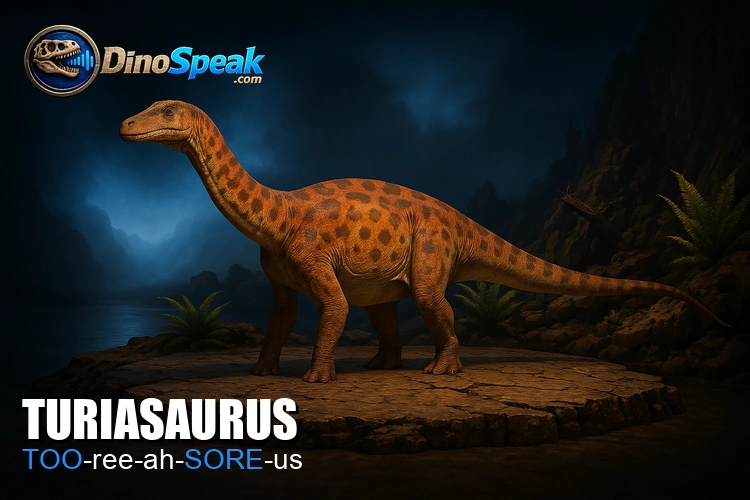
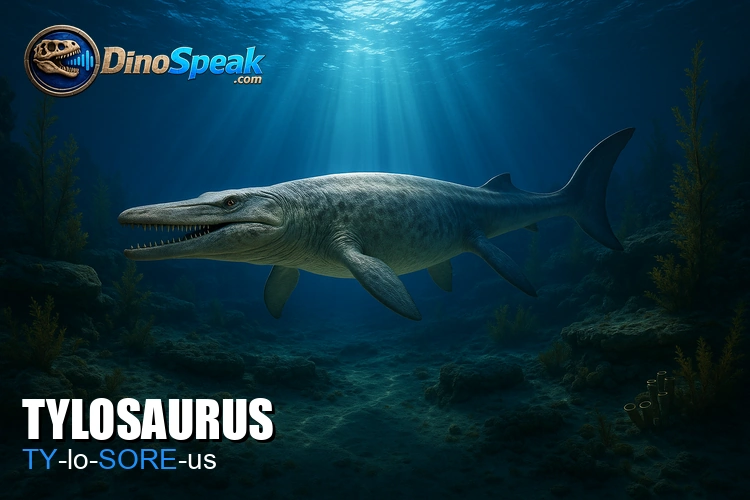
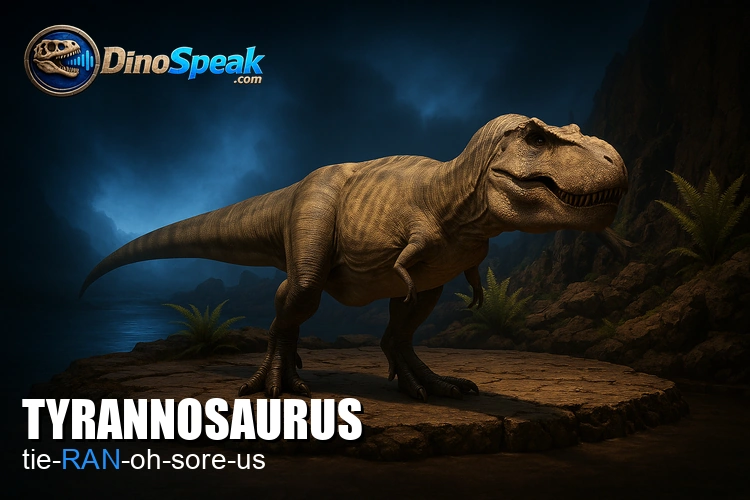
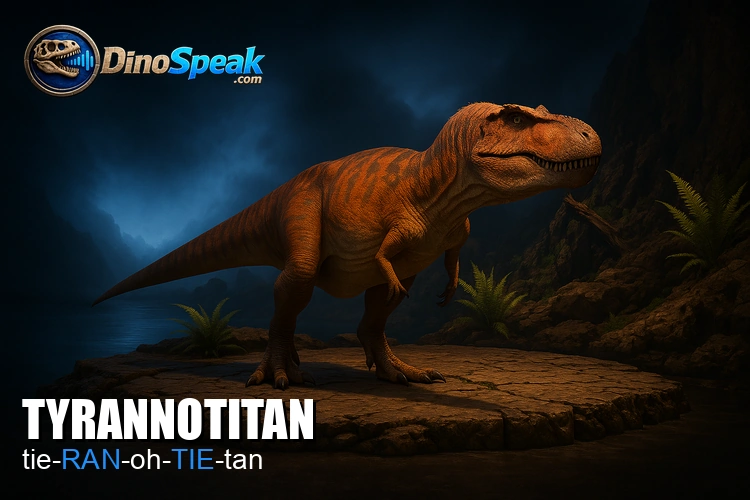
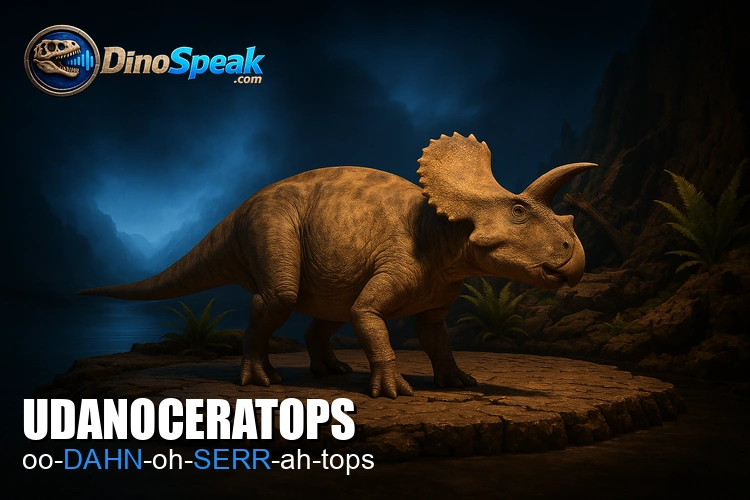
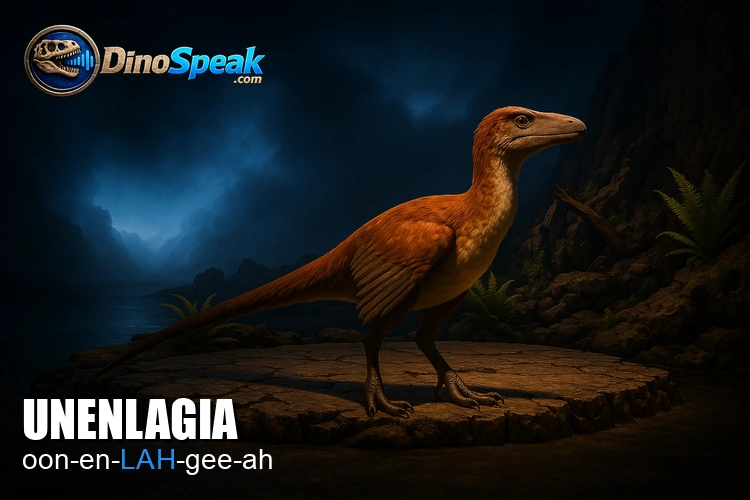
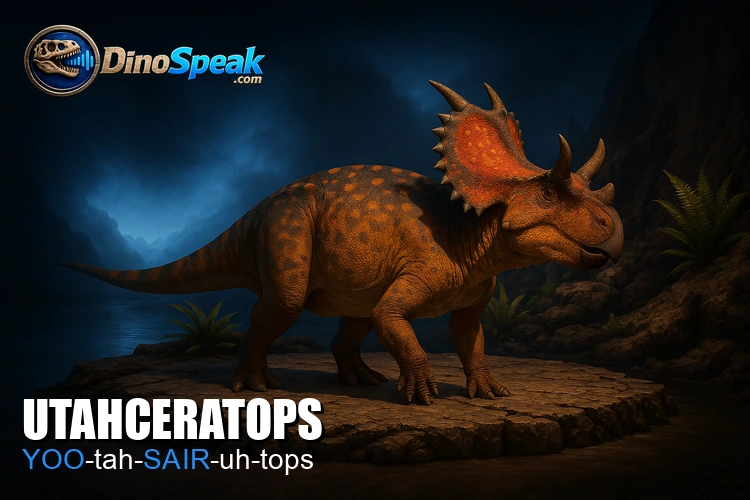
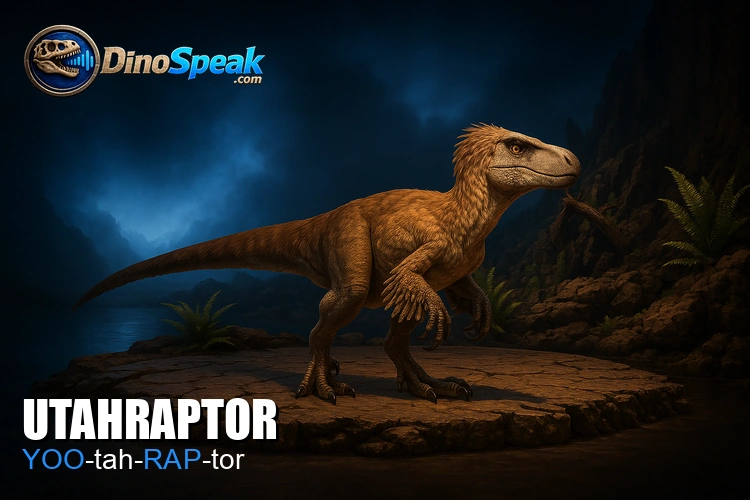
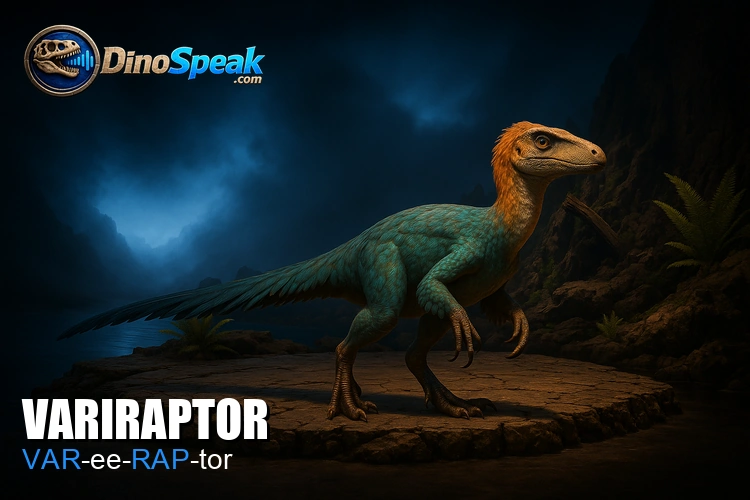
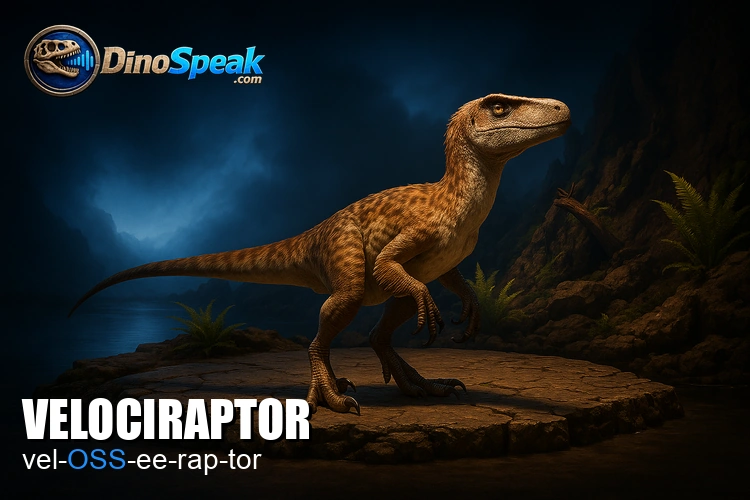
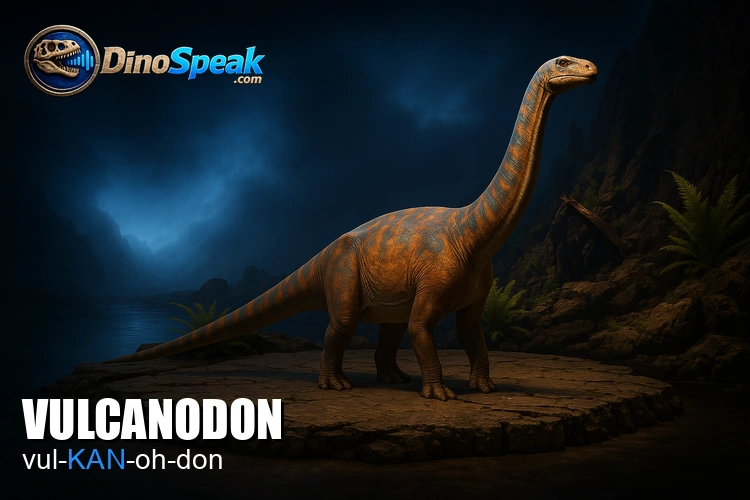
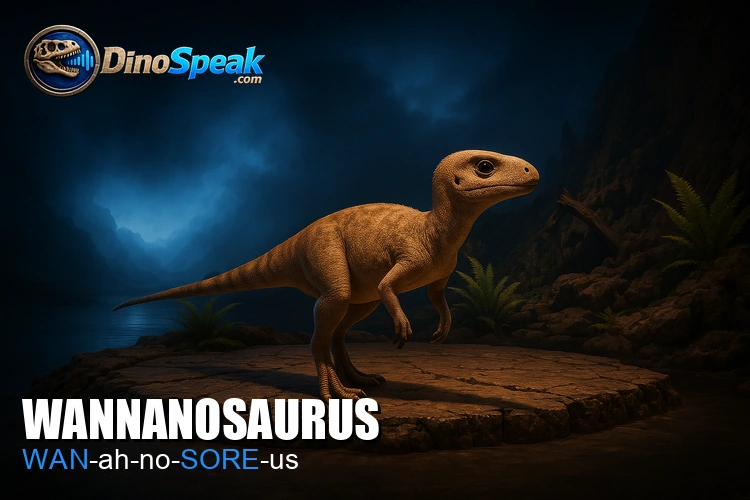
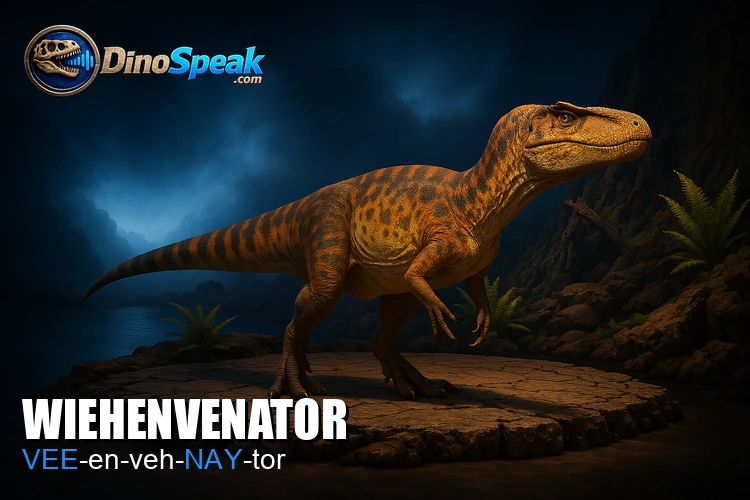
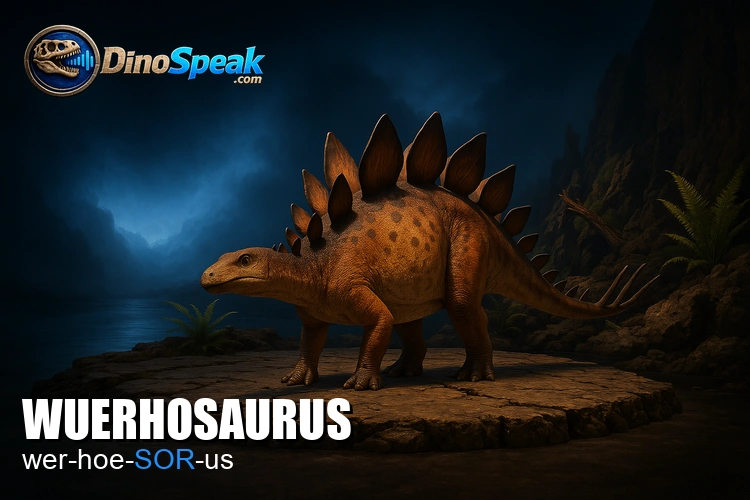
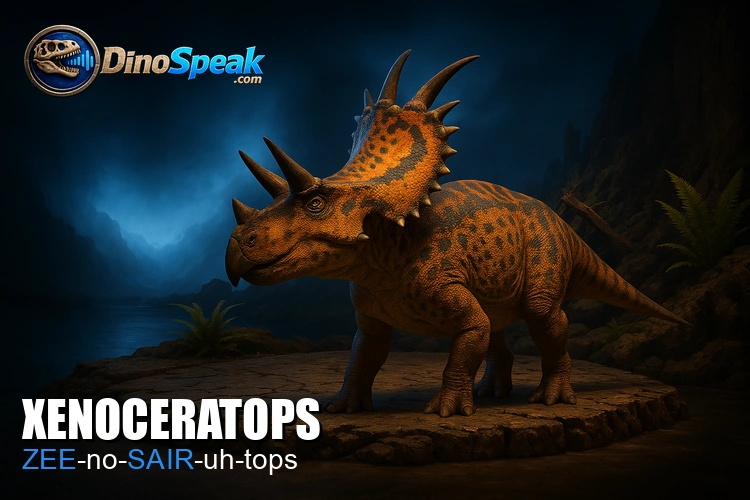
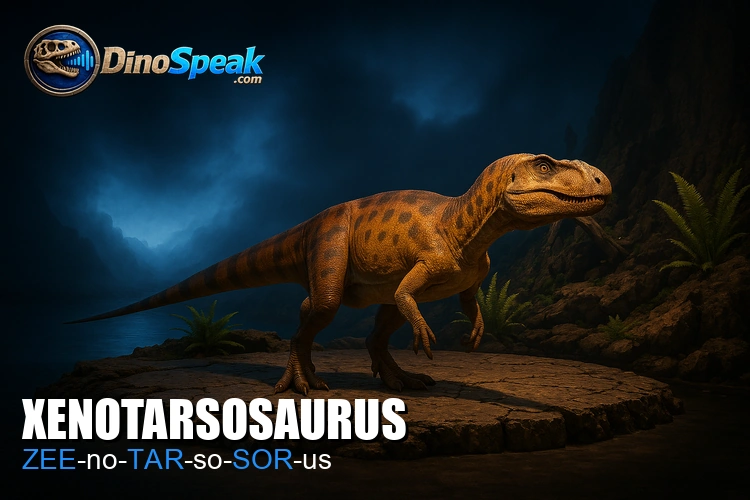
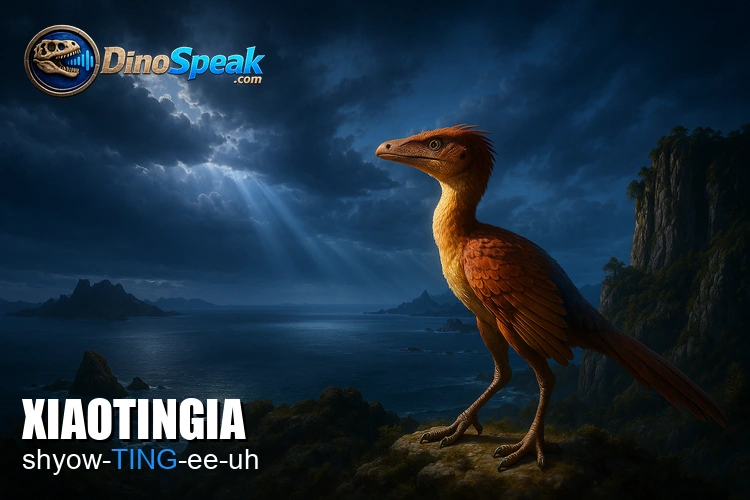
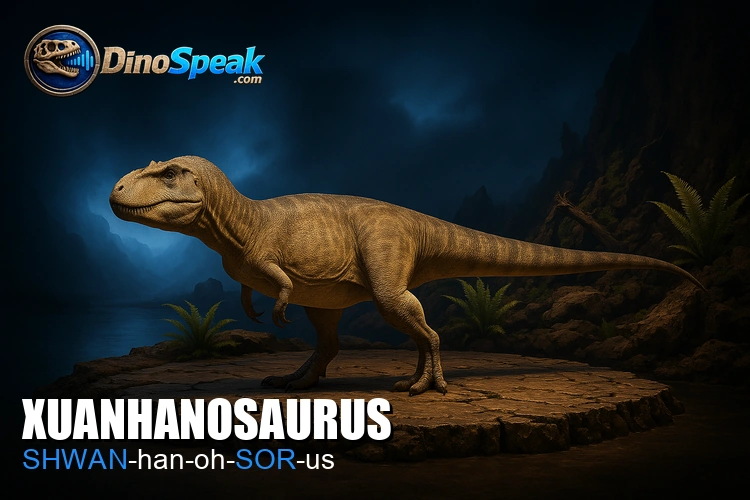
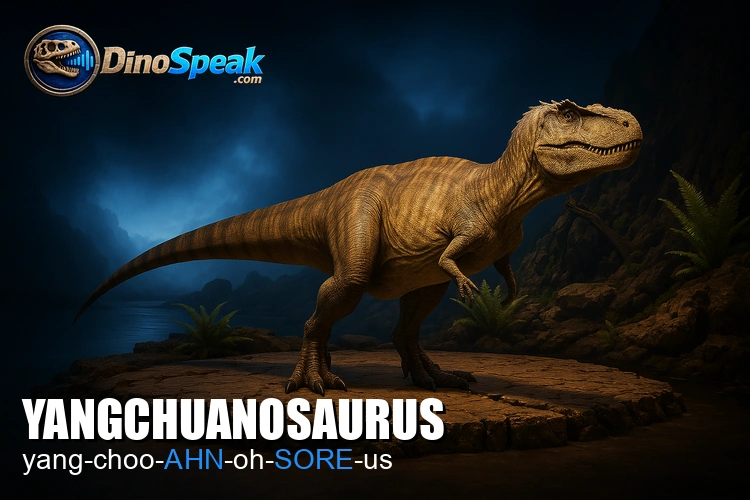
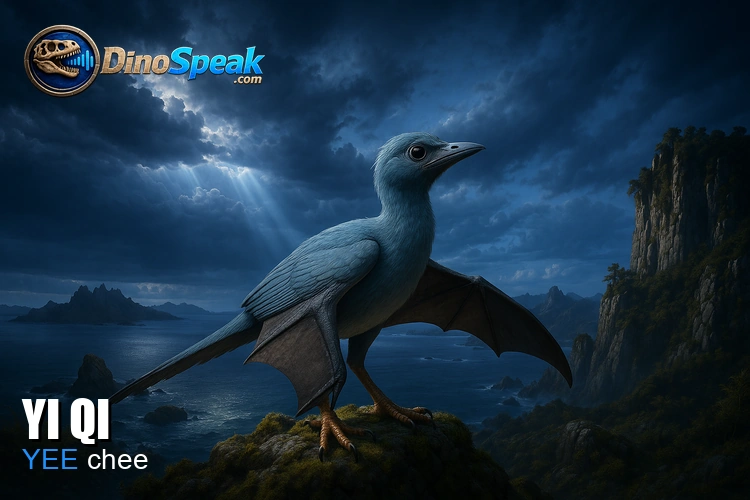
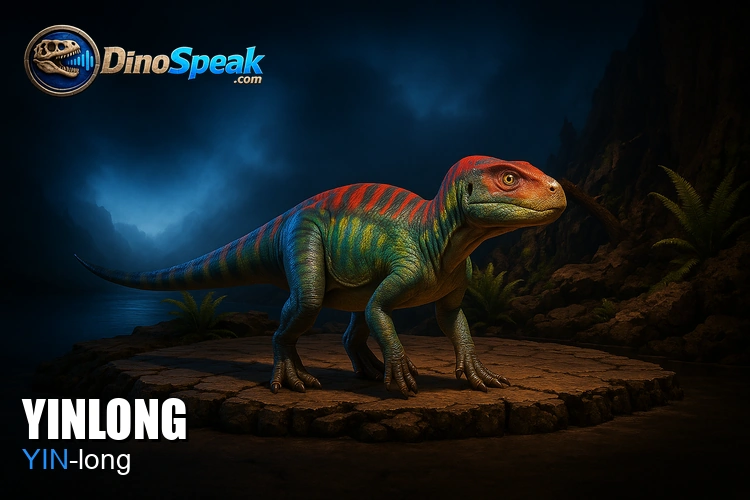
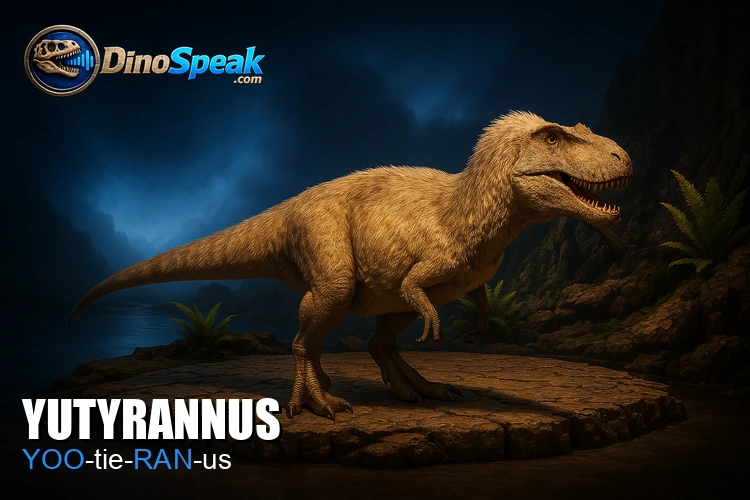
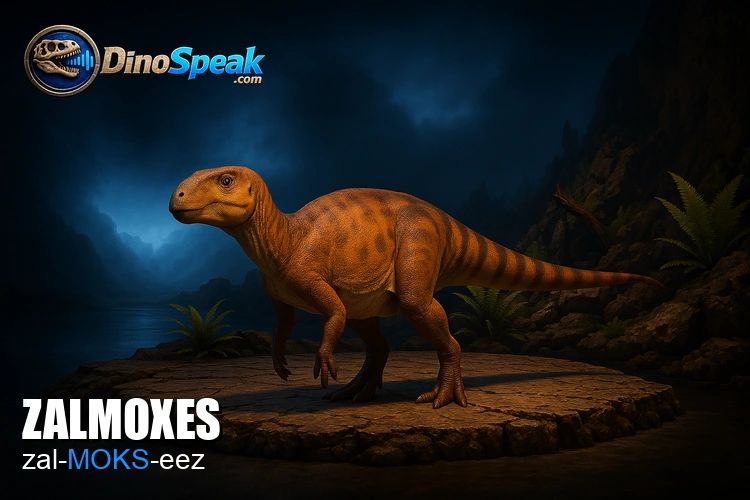
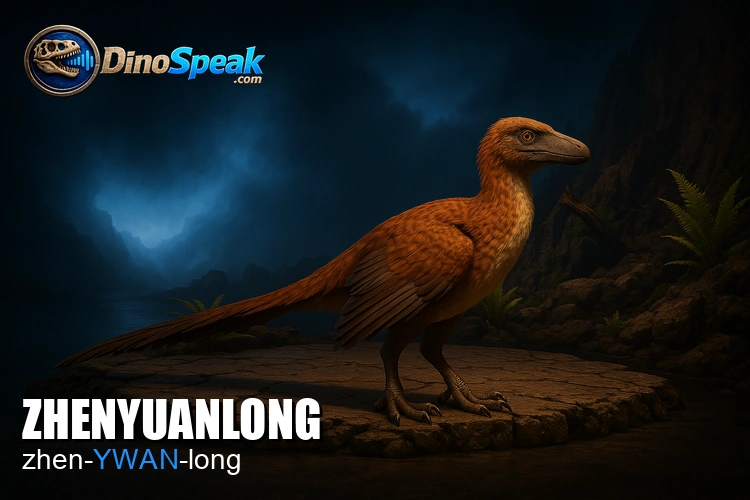
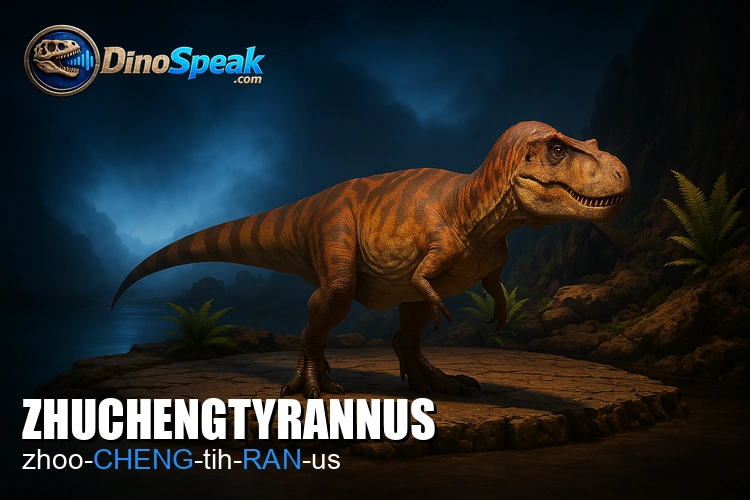
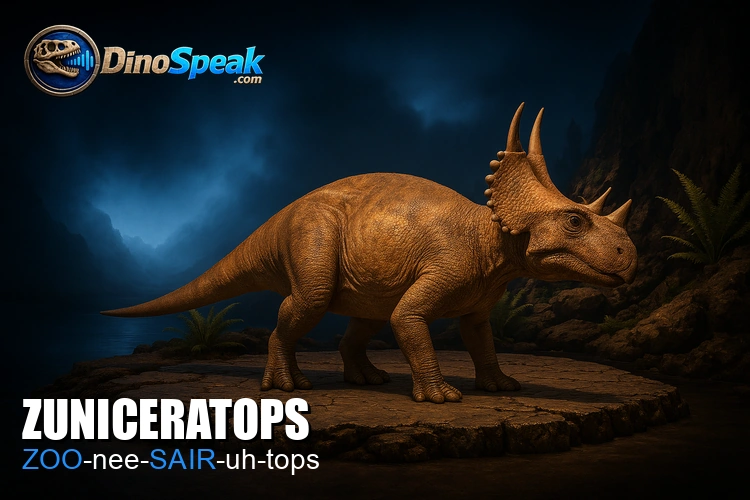
Every Dinosaur Picture Comes with a Pronunciation Guide
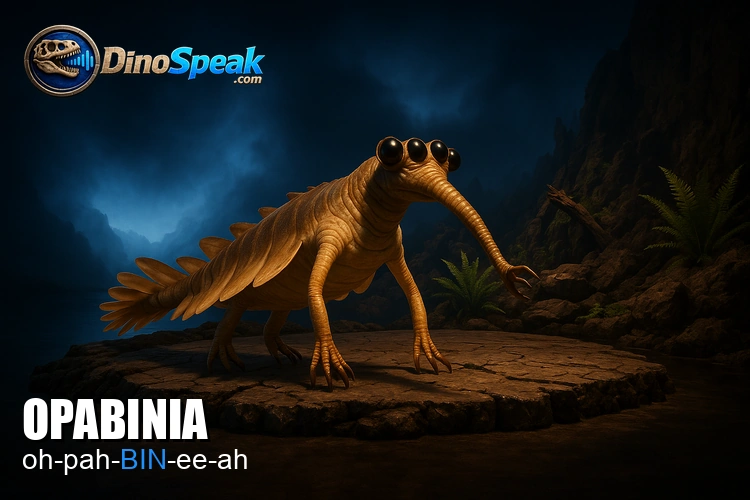
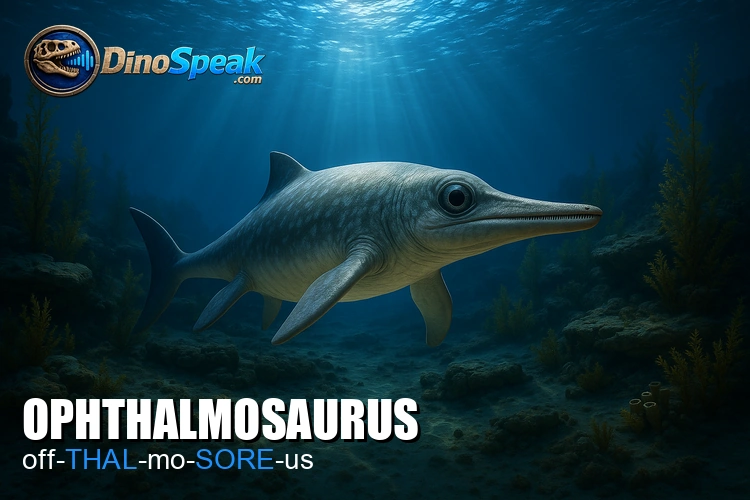
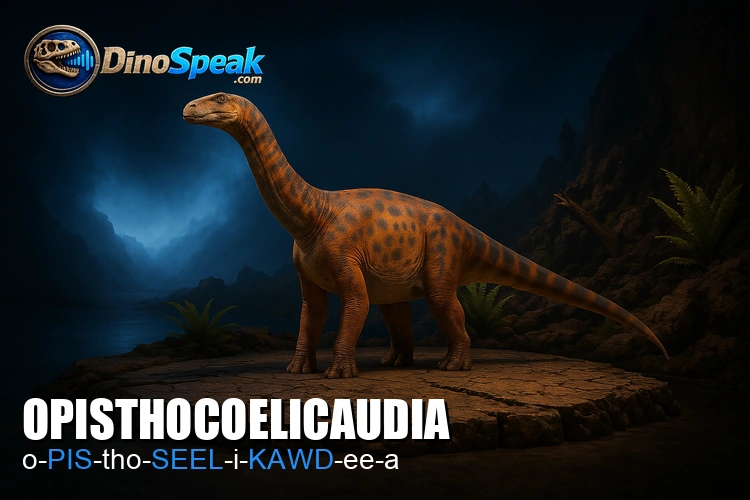
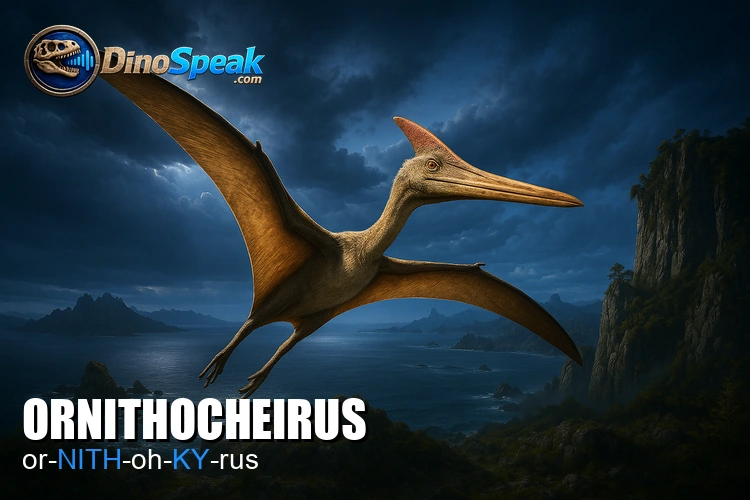
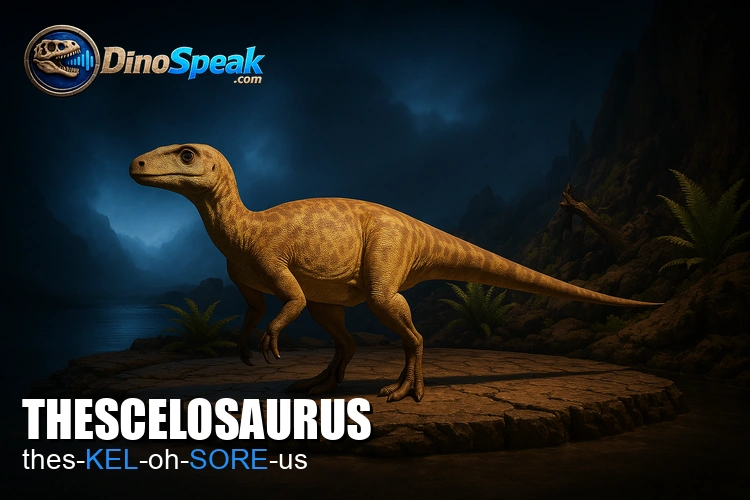
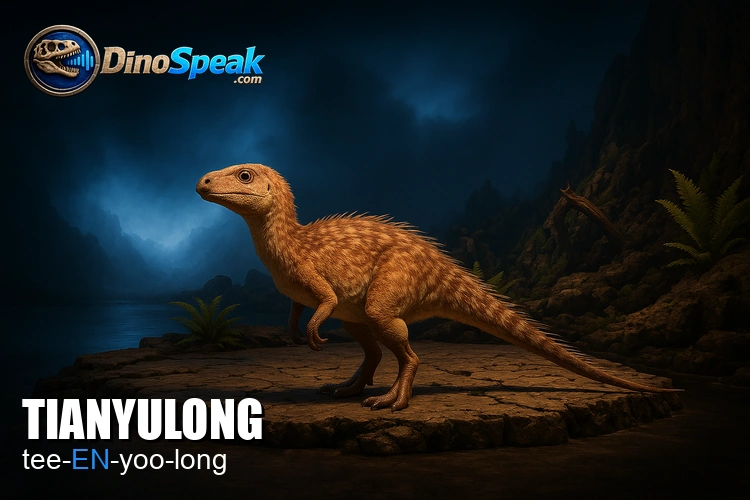
Most dinosaur picture galleries stop at the image. DinoSpeak goes further every single photo links to a full page with the phonetic pronunciation, the meaning of the name, size comparisons, discovery history, and five genuinely surprising facts. Click Brachiosaurus and you will find out exactly how to say it (BRAKE-ee-oh-SORE-us), what the name means (arm lizard), and why its nostrils were once thought to be on top of its head.
The pictures themselves are photorealistic AI illustrations built from the latest fossil science. Coloring, texture, body proportions, and posture are all grounded in current paleontological research not the outdated tail-dragging, gray-skinned dinosaurs of old encyclopedias. Many of these creatures had feathers, vivid coloring, or body structures that would surprise even people who think they know their dinosaurs well.
Use the letter filter above to jump to any letter of the alphabet. Every major dinosaur group is covered carnivorous theropods like T. rex and Spinosaurus, long-necked sauropods like Brachiosaurus and Diplodocus, horned ceratopsians like Triceratops, armored ankylosaurs, crested hadrosaurs, flying pterosaurs, and ancient marine reptiles. Whether you are a kid who just watched a dinosaur movie or a parent trying to help with a school project, this is the most complete dinosaur picture guide with pronunciations anywhere on the internet.
Frequently Asked Questions
What dinosaur has the coolest picture?
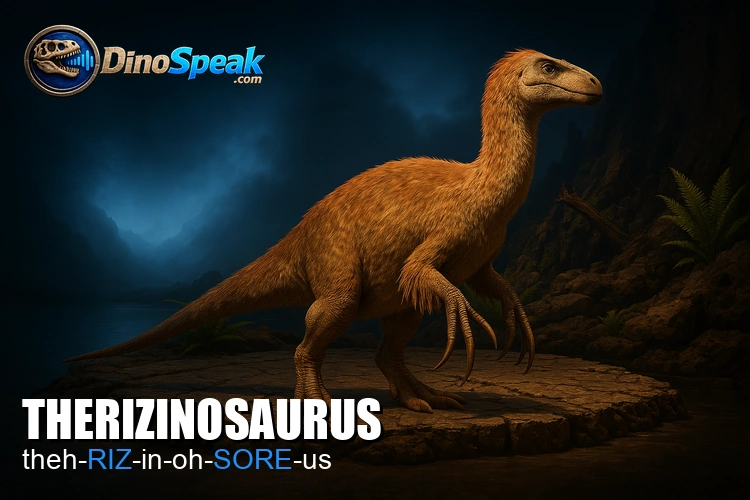
That depends on what you think is cool. Spinosaurus has an enormous sail on its back that looks unlike any other dinosaur. Therizinosaurus has claws over three feet long that look almost ridiculous. Carnotaurus has bull-like horns on its head. And Parasaurolophus has a hollow crest that curves back from its skull like a musical instrument. Every single one of them is worth clicking.
How do you pronounce dinosaur names?
Most dinosaur names come from Latin and Greek roots. The trick is to break them into syllables and stress the right one. For example, Brachiosaurus is BRAKE-ee-oh-SORE-us, not BRAK-ee-oh-SORE-us. Click any dinosaur picture on this page to hear the exact pronunciation out loud and see the phonetic breakdown.
What does the dinosaur name mean?
Almost every dinosaur name is a description of something its body, its behavior, or where it was found. Velociraptor means "swift thief." Triceratops means "three-horned face." Stegosaurus means "roofed lizard" because scientists first thought the plates lay flat like roof tiles. Click any picture to see the full name meaning and etymology.
Are these real dinosaur pictures?
The images on this page are photorealistic AI-generated illustrations based on the latest paleontological science not fossils, but accurate reconstructions of what scientists currently believe each creature looked like. Coloring, texture, and proportions are all based on fossil evidence and modern research. Think of them as museum-quality life reconstructions.
What is the hardest dinosaur name to pronounce?
Most people struggle with Pachycephalosaurus (PAK-ee-SEF-ah-loh-SORE-us), Parasaurolophus (PAR-ah-SORE-oh-LOH-fus), and Carcharodontosaurus (kar-KAR-oh-don-toe-SORE-us). But once you learn the common roots saurus means lizard, raptor means thief, ceratops means horned face even the longest names start to make sense.
Can I use these dinosaur pictures?
The images on DinoSpeak are created for the site and are not available for download or reuse. But every picture links to a full pronunciation guide page with phonetic breakdown, name meaning, size facts, and fun facts all completely free to read and share.
What prehistoric creatures are included besides dinosaurs?
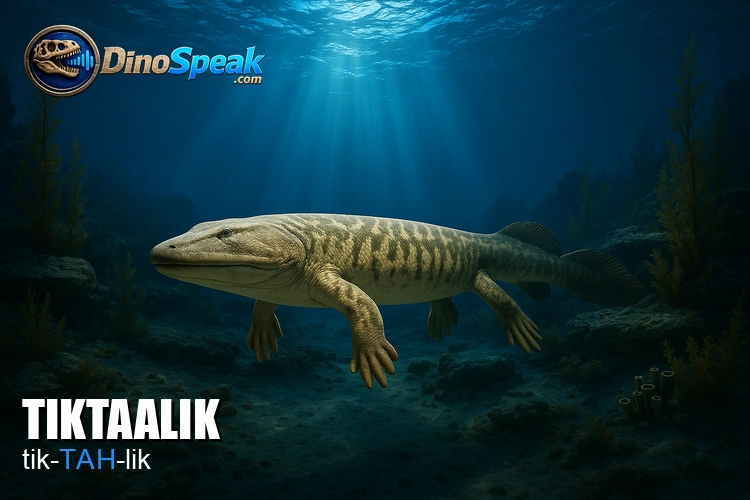
This gallery includes dinosaurs plus flying reptiles like Pteranodon and Quetzalcoatlus, marine reptiles like Mosasaurus and Elasmosaurus, and other prehistoric creatures like Dimetrodon. Everything that walked, swam, or flew in the age of dinosaurs and beyond.